


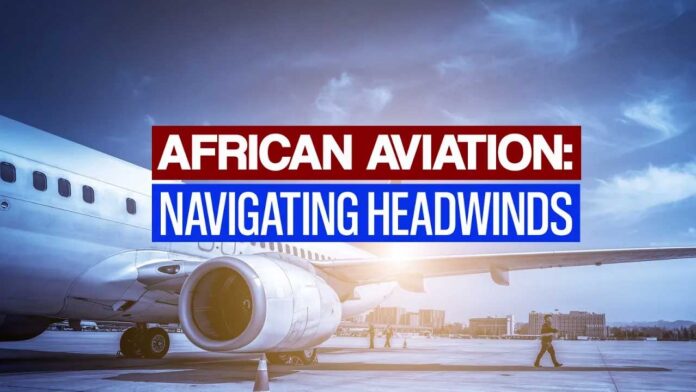
For decades, the dream of a seamlessly connected Africa has been grounded by a harsh reality: despite housing nearly 20% of the global population, the continent accounts for less than 2% of global air traffic.
The paradox is stark. Demand for connectivity is palpable, driven by a burgeoning middle class and the continent’s vast geography, which makes air travel a necessity rather than a luxury. Yet the aviation sector remains stunted, struggling to convert potential into profitability.
As the world looks toward 2026 amid forecasts of global air travel growth, Africa is projected to outpace the global average. However, this statistical optimism masks a fragile foundation.
The sector remains trapped in a cycle of high operational costs and regulatory fragmentation. Thus leaving African travellers paying some of the highest fares in the world for routes that are often circuitous and unreliable. The struggle to get off the runway stems not from a lack of passengers. But from persistent shortcomings in policy and infrastructure.
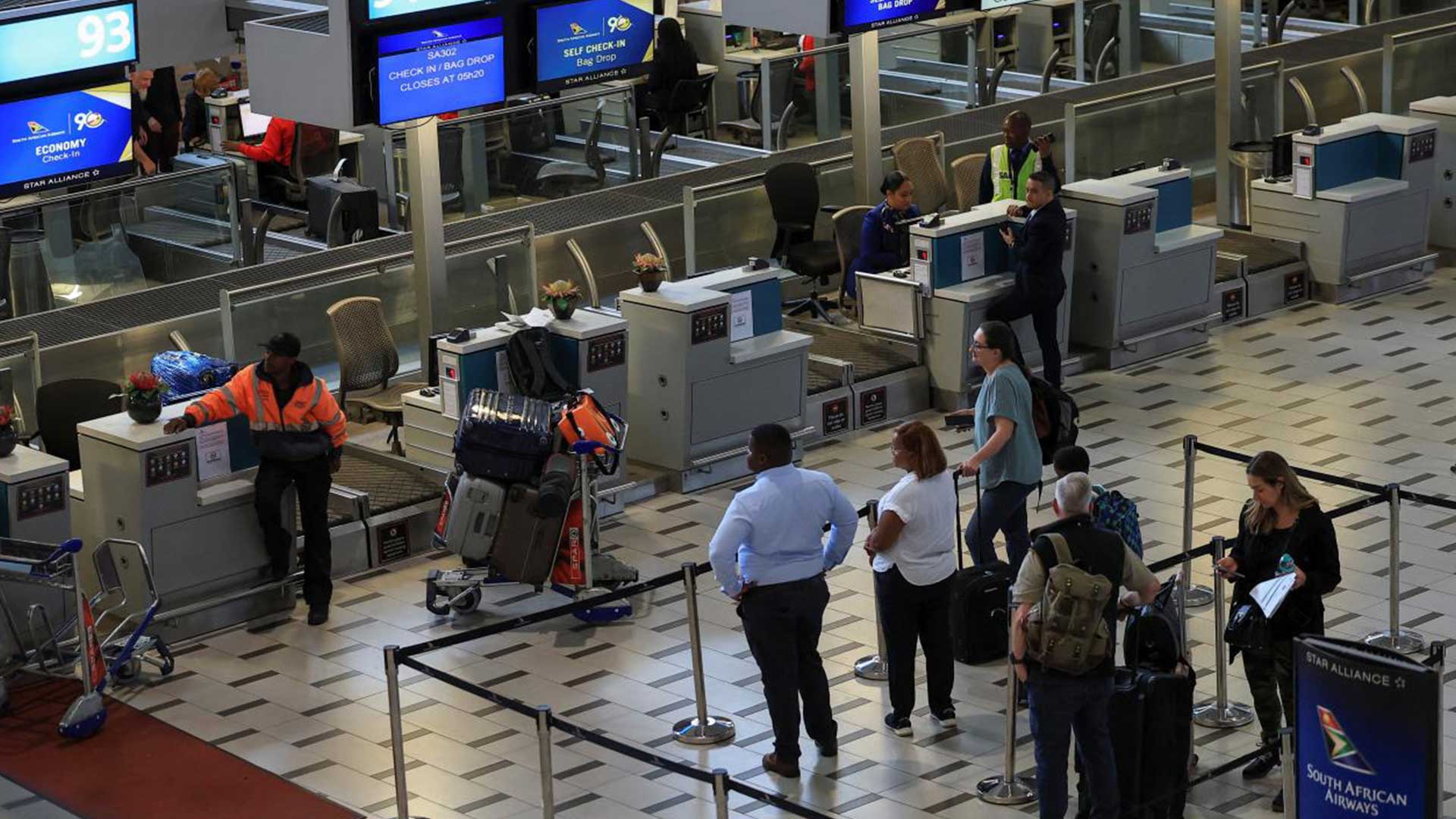
People queue in front of South African Airways (SAA) counters at Cape Town International Airport amid plans by SAA pilots to strike following a deadlock in pay rise negotiations, in Cape Town, South Africa, December 5, 2024. /Reuters
The ‘Africa premium’
The most immediate barrier to a thriving aviation sector is the sheer cost of doing business. Aviation executive Sean Mendis described a “30% Africa premium”. A structural surcharge that makes operating an airline on the continent significantly more expensive than in developed markets.
“Sometimes doing exactly the same thing in Africa just costs you 30% more than if you did it in a more developed economy,” Sean explained. He illustrated this with the logistics of sourcing spare parts.
In aviation hubs like Miami or Dubai, a spare part for an aircraft can be sourced and installed within an hour. In Africa, the same part often must be imported from overseas vendors. Thus incurring shipping costs, customs delays, and significant downtime.
Fleet acquisition factor
Aaron Munetsi, CEO of the Airlines Association of Southern Africa, agreed. He added that this cost structure is compounded by how African airlines acquire their fleets.
“The trend we have seen is that a majority of airlines globally are actually leasing more than they are buying. But when we do a check on African airlines, you’ll find that the majority of our airlines actually own the aircraft,” Aaron said.
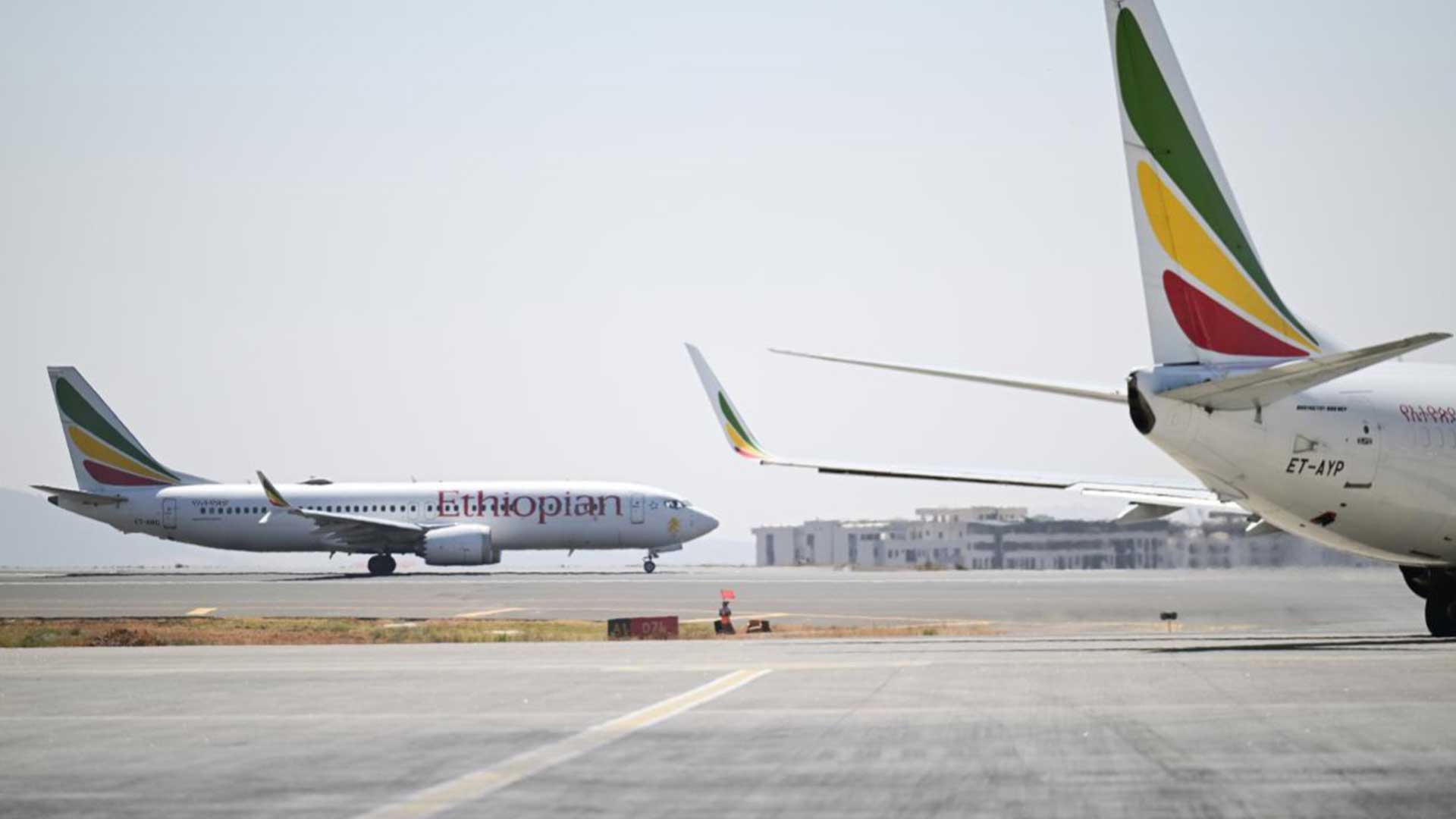
This ownership model often leaves African carriers with aging technology. “Ours is substantially older than everybody else,” Aaron pointed out. He explained that older aircraft require more maintenance. This in turn often involves flying them back to Europe or the Middle East for servicing. And it is because Africa lacks the capacity.
“That’s why, even if we charge exactly the same airfare as our non-African airline counterparts, we still end up in the red.”
The protectionism trap
Beyond the economics, the sector is suffocated by a web of archaic regulations and political protectionism. Munetsi argued that the continent is entangled in “rules and regulations, policies and procedures that are outdated”. He specifically highlighted the lack of standardised licensing.
“If a pilot is trained in any one African country to operate in the next country, they need to undergo recertification. This takes a lot of time and money,” Aaron said. He was contrasting this with Europe, where a single license covers 27 countries.
Another challenge is the “national carrier” obsession. Governments often view state-owned airlines as symbols of sovereignty. This leads to protectionist measures that shield failing entities from competition.
“Countries that don’t have their own national carrier still want to hold on to this dream,” Munetsi observed. He was even more blunt about the mismanagement of these state-run airlines. “Governments exist to create an enabling environment and not to actually micromanage the minutiae of an industry.”
He criticised the vanity metrics often used by state carriers. “Especially national carriers tend to define success as running half-empty, wide-body planes to London, Paris, and Dubai. As long as they are painted in the national colours.”
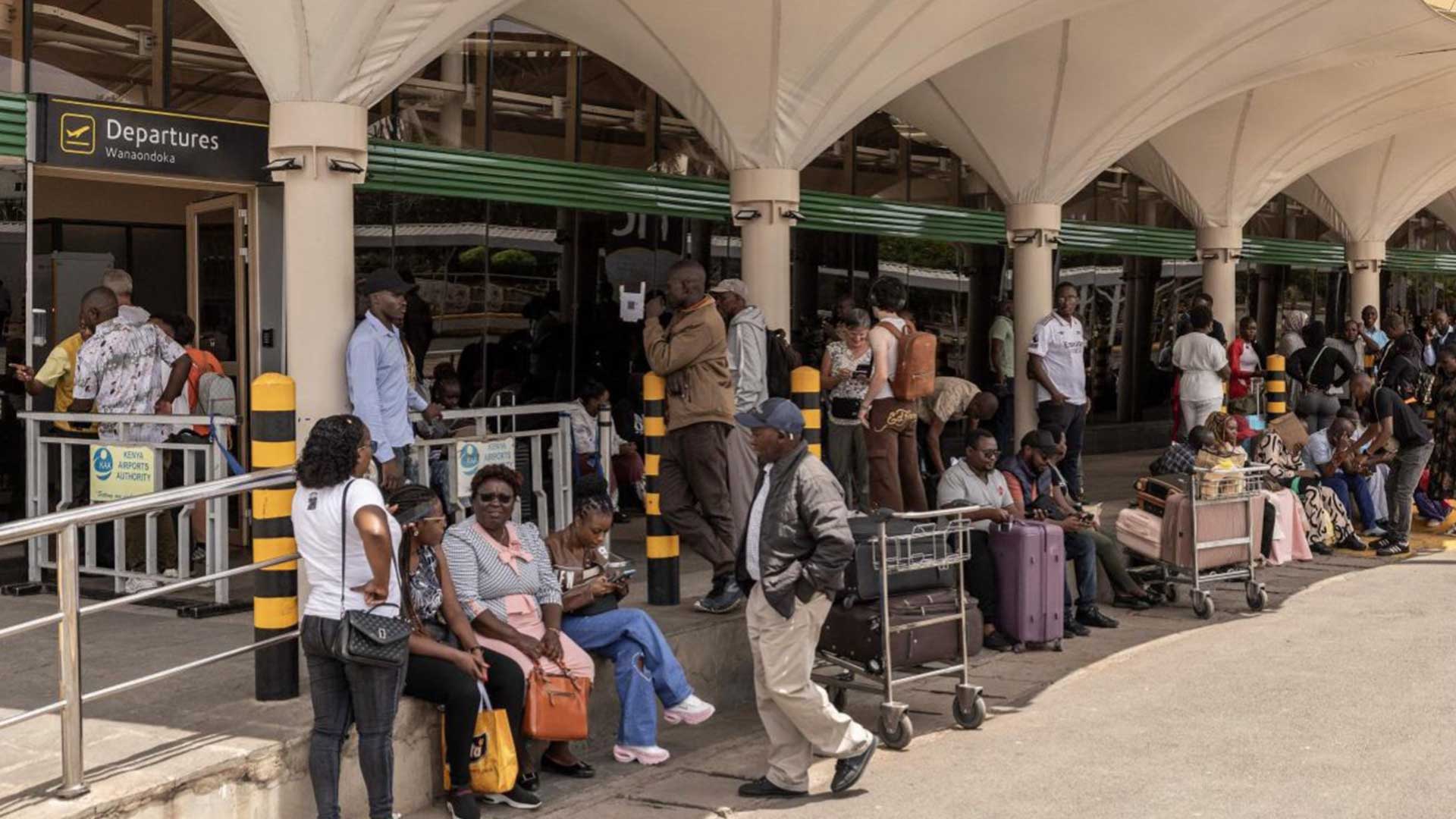
Passengers wait in front of a closed door at the departures of the Jomo Kenyatta International Airport (JKIA) in Nairobi amid a strike by the Kenyan Aviation Workers Union (KAWU) on February 17, 2026. /CFP
The mirage of a single market
The solution to this fragmentation has long been identified. The Single African Air Transport Market (SAATM), launched in 2018 to promote intra-Africa connectivity. However, despite years of pledges, implementation remains sluggish. Mendis expressed deep frustration over the lack of progress on the Yamoussoukro Decision, the precursor to SAATM, which was signed decades ago.
“In fact, 70% of Africans alive today have spent their entire lives waiting for their leaders to implement something that was decided unanimously by every member of the African Union nearly 40 years ago,” Mendis said.
He did not mince words on the political will required to unlock the skies.
“I think the reality is that a number of African leaders are simply jokers about this issue. They’re paying it lip service, but they’re not taking the concrete steps needed.”
Munetsi agreed that bureaucratic friction is stifling the market, sharing anecdotes of visa red tape at airports.
“When I ask officials at the immigration desk what they do with this piece of paper, nine times out of 10, they don’t even know what that paper is supposed to do,” he recounted.
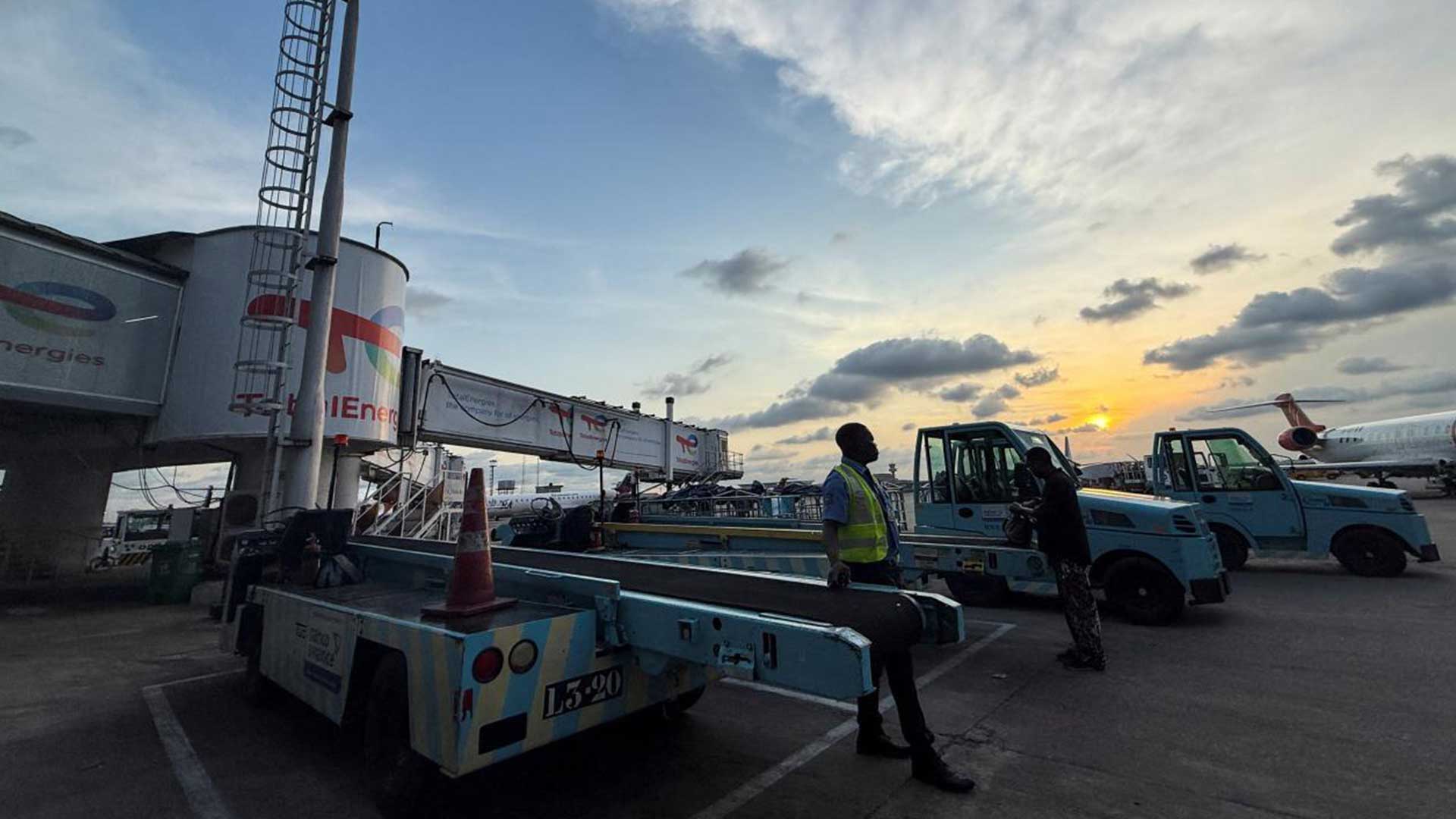
A baggage handler waits to transport luggage from a commercial plane at Terminal 2 of Murtala Muhammed International Airport in Lagos, Nigeria, on October 18, 2025. /Reuters
Taxing the elite
Compounding these structural issues is a philosophical flaw in how African governments view aviation. Munetsi argued that the sector is treated as a “cash cow” rather than an economic engine.
“Aviation is seen as an activity for the elite. It’s not seen as an economic activator that actually drives the economies of these countries,” he said.
This mindset results in excessive taxation. Even well-intentioned moves, like (Economic Community of African States) ECOWAS’s decision to scrap certain travel taxes, often fail due to a phenomenon known as “tax substitution”. Mendis noted. “You say I’m taking away this tax, but I’m just going to put another tax back in under a different name.”
“The only reason that aviation is accessible only to the elite is because of poor policymaking in many cases. This has priced it out of the reach of the average traveller,” Mendis argued. He stressed that aviation should be viewed “no different from ground transport, such as rail”.
Despite the gloom, both guests see a path forward, primarily through the private sector. Mendis concluded that African aviation would grow “notwithstanding the actions of governments”. But he urged policymakers to step back.
“Allowing these people to lead Africa into the next century with global standards is what will truly enable African aviation to realise its potential.”
- For decades, the dream of a seamlessly connected Africa has been grounded by a harsh reality: despite housing nearly 20% of the global population, the continent accounts for less than 2% of global air traffic.
- The paradox is stark.
- Demand for connectivity is palpable, driven by a burgeoning middle class and the continent’s vast geography, which makes air travel a necessity rather than a luxury.
- Yet the aviation sector remains stunted, struggling to convert potential into profitability.
- As the world looks toward 2026 amid forecasts of global air travel growth, Africa is projected to outpace the global average.


