


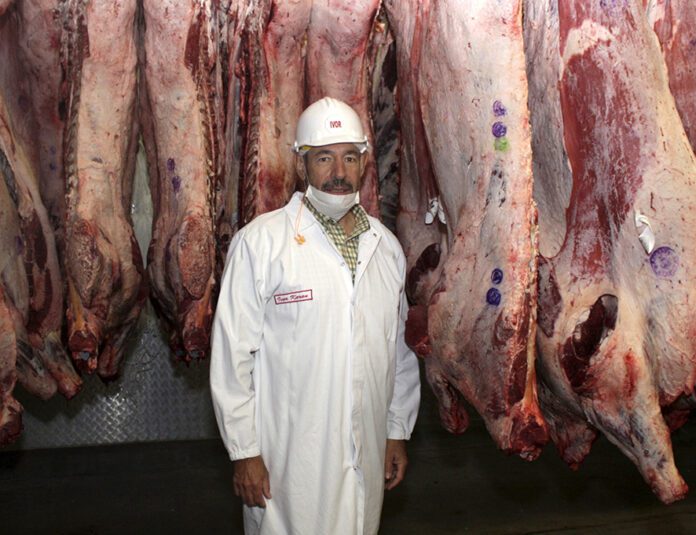
The South African beef industry is ending the year bolstered by a sustained rise in meat prices, yet it continues to face persistent disease pressures, high input costs, and a fragile export environment.
Gert Blignaut, CEO of leading supplier of The Beefmaster Group, described a balance between volatility and opportunity for the sector.
“We have navigated a significantly volatile environment, and this is likely to continue deep into 2026/27. Having said that, we remain cautiously optimistic about the year ahead,” he said.
Relief for cattle farmers
In terms of positivity, Blignaut believes that the year 2025 has delivered meaningful relief for cattle farmers and producers. He said this was driven largely by a global and local shortage of beef and the balancing out of demand and supply dynamics.
“For the first time in years, the undertone of positivity that we felt early in the year materialised. Meat prices lifted globally, and South Africa followed,” he said.
Sunday World has established that between February and May 2025, slaughter cattle prices climbed by around 15%. Blignaut had stated that the rise was driven by scarcity rather than panic or disease-related disruptions at that time.
“Herds globally and locally were smaller, and slaughter numbers were down. Something which ultimately supported a healthier price environment that we haven’t seen in the last three to five years for the feedlot industry, which has battled severe financial pressure since 2022. This provided critical relief,” said Blignaut.
Impact on consumers
He said that the impact on consumers in 2025 was shaped by tough economic pressures such as inflation and unemployment. However, South African beef remains among the most affordable globally. This as reflected in indicators like the Big Mac Index. And while offering high quality and remaining in demand across international markets.
“If herd sizes normalise in 2026, then more meat will become available. To sustain positive price levels, then either local spending will need to increase. This can only happen if the economy grows, or we need more markets. And this calls for a conservative approach for the year ahead,” he said.
- The South African beef industry is ending the year bolstered by a sustained rise in meat prices, yet it continues to face persistent disease pressures, high input costs, and a fragile export environment.
- Gert Blignaut, CEO of leading supplier of The Beefmaster Group, described a balance between volatility and opportunity for the sector.
- “We have navigated a significantly volatile environment, and this is likely to continue deep into 2026/27.
- Having said that, we remain cautiously optimistic about the year ahead,” he said.
- Relief for cattle farmers In terms of positivity, Blignaut believes that the year 2025 has delivered meaningful relief for cattle farmers and producers.


