
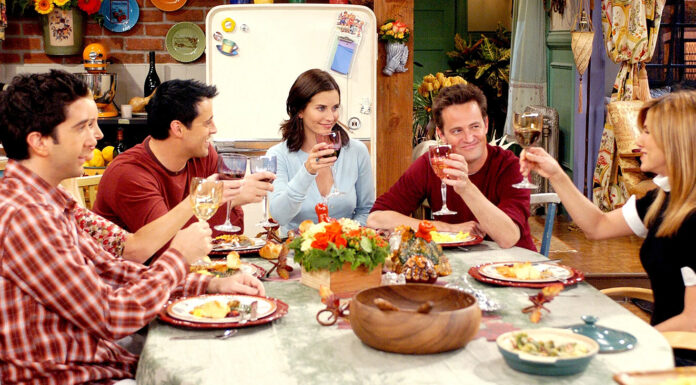
The way we watch television has quietly but profoundly changed the way we live and the way we show up for one another. Once, television was a shared experience. Families planned evenings around a single screen, friends gathered weekly for new episodes, and conversation flowed naturally from the couch to the kitchen.
Today, television is mostly consumed alone, streamed on phones, laptops or tablets, often while multitasking and scrolling through social media.
At a recent social gathering, this shift became impossible to ignore. Several people admitted they now watch almost everything by themselves. “I watch all my shows alone,” one guest said, “but I’ll talk about them in group chats for days”.
That contradiction, private consumption paired with constant online conversation, captures something essential about modern friendship. We may no longer gather physically to watch, but we still crave shared reference points that help us feel connected.
In many ways, television has moved from being a communal ritual to a form of social currency. We no longer watch together, but we discuss together. Group chats, memes and voice notes have replaced the living-room couch.
Being “up to date” on a show now matters less for the viewing experience and more for staying socially relevant.
The connection happens after the episode ends, often entirely online. That contrast felt especially sharp at an event hosted by fast food giant McDonald’s, themed around the hit 90s sitcom Friends, bringing people together in a single room, laughing, reminiscing and talking about friendship in ways that felt almost nostalgic.
For a moment, television wasn’t something consumed alone, but a shared language that collapsed distance. This is where older sitcoms like Friends continue to resonate. Long after their original run, they remain cultural touchstones not just because they’re funny or familiar, but because they portray a style of friendship that feels increasingly distant.
“What that show got right was showing up,” one attendee reflected. “They were always there for each other, no matter what.”
Yet that portrayal also raises uncomfortable questions. Is that kind of friendship still realistic?
“Life is just too busy now,” another person said. “You love your friends deeply, but you don’t see them like that anymore.”
Adult life today is shaped by long work hours, economic pressure, family responsibilities and a culture that glorifies busyness. Friendship, once woven naturally into everyday life, now has to compete with packed schedules and constant exhaustion.
Social media complicates things further. On the surface, it keeps people connected. Friends can check in instantly, share updates and remain visible in each other’s lives, even across distance. But constant connection doesn’t always translate into intimacy.
“We talk all the time,” one guest shared, “but it still feels surface-level”. Another added, “It’s easier to disappear now. You don’t even have to explain.”
Digital life has normalised low-effort connection. A reaction emoji can replace a phone call, a comment can substitute for a visit, and silence can pass without explanation.
While this makes friendships easier to maintain on a basic level, it can also make them more fragile. The option to quietly withdraw is always available, and presence becomes optional rather than expected.
This is where the cultural contrast becomes most visible.
Sitcoms like Friends present friendship as something central and non-negotiable.
In contrast, modern friendships often operate around availability rather than priority. Time together must be planned, postponed or cancelled, usually with good reason.
When conversations turned to what friendship means today, the answers were telling.
“Being a good friend now means making time,” one person said. “Actually showing up, not just liking posts.”
Others felt it was about being intentional, choosing fewer relationships, but investing more deeply in them.
Presence, they agreed, is no longer about being constantly reachable but about being genuinely there when it counts.
In a fast-moving digital world that values productivity and constant output, friendship remains one of the few spaces where people still want to slow down.
Even as we watch alone and communicate through screens, the desire to truly show up for one another hasn’t disappeared. If anything, it has become more urgent.
Perhaps the lesson isn’t that we should try to recreate sitcom friendships, but that we should pay attention to why they still move us.
They remind us that connection is not built through constant communication but through presence. And in a culture that rarely pauses, choosing to show up fully and intentionally may be the most radical act of friendship we have left.