


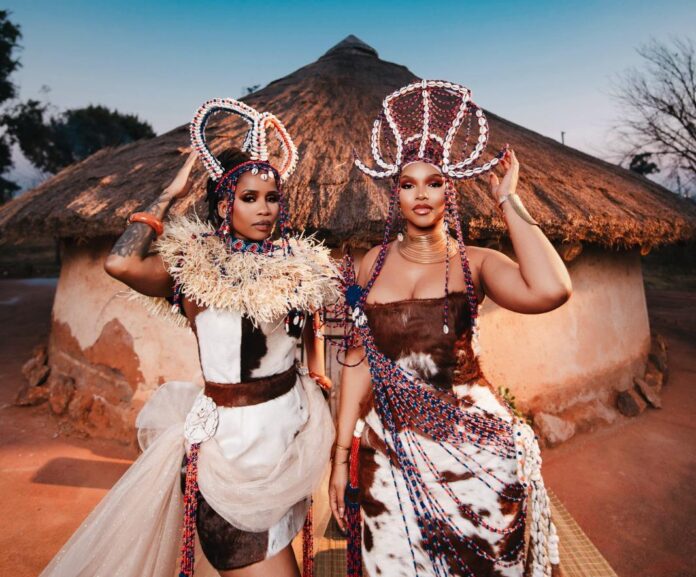
MaWhoo and Lwah Ndlunkulu are joining forces on a Maskandi project they hope will do more than produce music; they want to open doors for women and introduce the genre to a broader audience.
The collaboration began when MaWhoo was approached by Leroy Khoza of Inkabi Records with an Afro-Pop project, which later evolved into a Maskandi project. MaWhoo admits she was initially apprehensive about entering a genre she describes as political and deeply rooted in culture.
“I was approached by Leroy Khoza from Inkabi Records proposing an Afro-Pop project and later on, a Maskandi project. At first, I was a bit worried considering how political Maskandi [is],” she told Sunday World.
‘I knew I had to do it’
After consulting her team and considering what the project could mean for women in the genre, she decided to take the opportunity. “I knew I had to do it.”
READ: MaWhoo misses Sun City New Year’s Eve gig after alleged racial attack on tour bus
For Lwah, the collaboration quickly proved it had the potential to become more than a one-off song.
“This collaboration started with instant chemistry in the studio. From the first session, we could feel that there was too much energy and too many ideas for just one song,” she says.
Bound by love for Maskandi, Zulu culture and storytelling
Although the two artists come from different musical backgrounds, they share a love for Maskandi, Zulu culture and storytelling.
“Once we started working, everything flowed naturally. That’s when we knew it had to be a full project, not just a single,” Lwah says.
The project also arrives at a time when women continue to carve out space in a genre traditionally dominated by men. Lwah says women can sometimes feel they have to prove themselves before being taken seriously.
“As a woman in this space, you often feel like you have to prove yourself before people fully take you seriously,” she says.
Instead of allowing that pressure to define her, she has chosen to let her work speak for itself.
“I just let the music speak for me. I stay consistent, I work hard, and I stay true to who I am.”
MaWhoo, meanwhile, says her biggest concern was whether audiences would embrace her in the genre.
“Fortunately, I have worked hard and God has favoured me and allowed me to have a big enough platform of my own, outside of Maskandi. I was more so worried about whether or not the nation would embrace me instead,” she says.
Zulu Queens title ‘represents pride, identity and culture’
Their decision to call themselves the ‘Zulu Queens’ is also deliberate. Lwah says the title represents pride, identity and culture, while rejecting the idea that there is only one way to be a Zulu woman.
“Zulu women are not one thing, we are strong, soft, traditional, modern, and ambitious all at once,” she says.
MaWhoo says the title also reflects their ambition to take the genre beyond its traditional borders.
“Lwah Ndlunkulu and myself are Zulu and Queens in our own right so it is not by chance that we dubbed ourselves the Zulu Queens. Maskandi has also grown outside the periphery of the Zulu nation and South Africa and hence Zulu Queens to make it more universal.”
That desire to expand Maskandi is evident in their approach to the music. Lwah says they have been careful to preserve the genre’s foundations while experimenting with contemporary sounds.
“We keep the storytelling, language and emotion, then explore new sounds and production to reach a wider audience,” she says.
READ: Sjava, Lebo Sekgobela, Lwah Ndlunkulu to share stage in music celebration
A modern touch to Maskandi
MaWhoo says they deliberately moved away from stereotypical ideas about who should listen to Maskandi.
“We believe it is too beautiful of a genre to be boxed and we have modernised it a bit to draw in people from different walks of life without compromising on the quality of music,” she says.
The project also brings together different generations of Maskandi musicians, with established names such as Izingane Zoma and Mthandeni appearing alongside younger artists such as Feza.
Bridging the generational gap
For Lwah, that generational bridge is essential to the future of the genre.
“The older artists bring history, discipline, and experience. The younger artists bring new energy and ideas. When you bring both together, the genre grows. For me, it was important to respect the past while also making space for the future.”
She says working with veteran artists has taught her the importance of discipline and respect for the craft.
“They take their music very seriously, no shortcuts, just dedication,” she says.
The collaboration has also forced both artists to confront questions about authenticity and whether they could be accused of changing or commercialising Maskandi. Lwah says she has never tried to conform to someone else’s definition of what makes an authentic Maskandi artist.
“Maskandi is alive and evolving, and I’m simply adding my voice to it.” MaWhoo admits she did have concerns about the criticism, but points to her previous contribution to the genre through her song “Gucci”.
“Over and above being Zulu myself, I have played a part in the growth and shaping of Maskandi with my previous song, ‘Gucci’,” she says.
Beyond the music, the project is also about creating opportunities. MaWhoo says they wanted the involvement of both fans and artists already working within the genre.
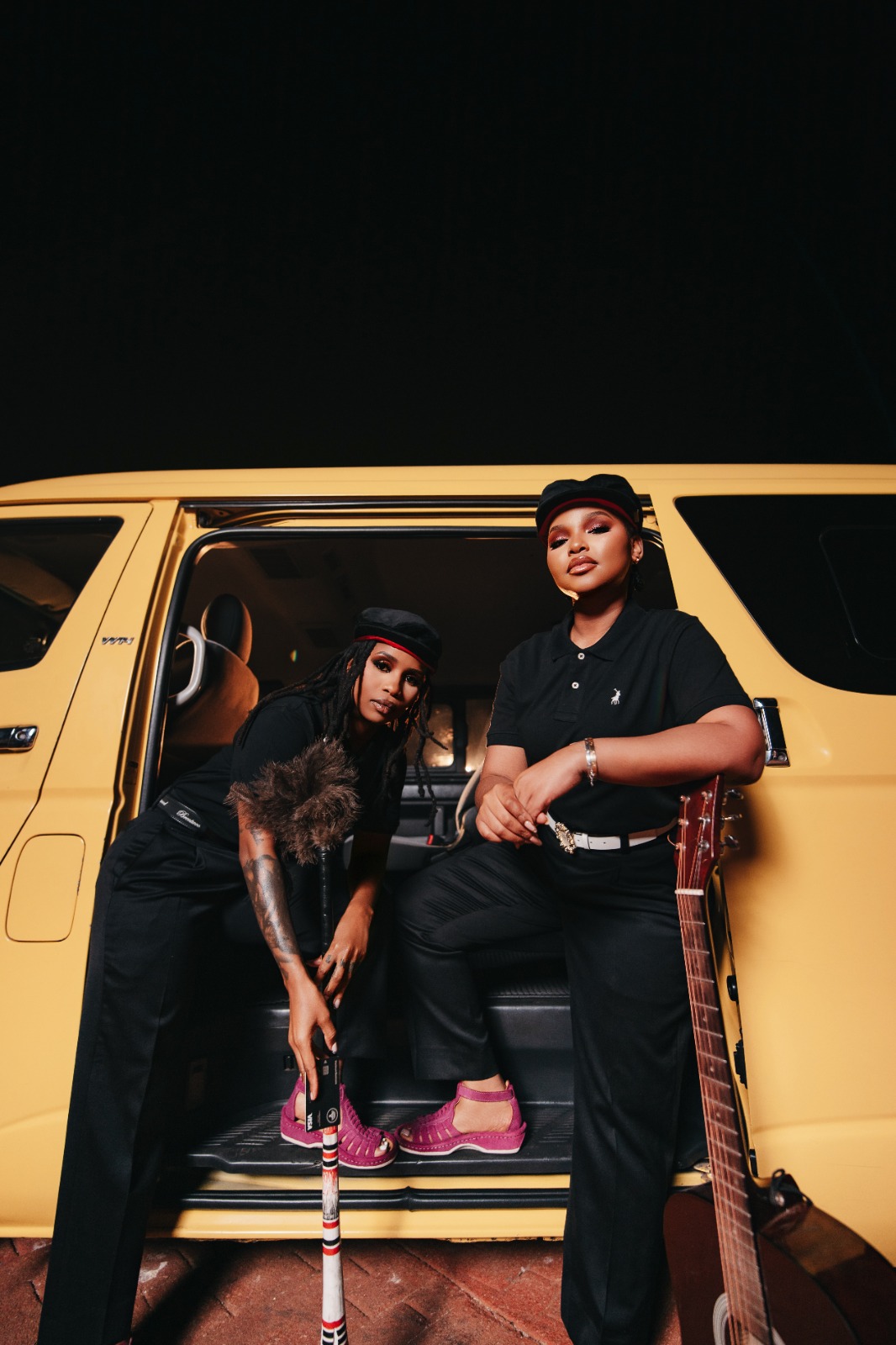
“This project is honestly about creating platforms and so we needed the buy-in from fans but also creators within the genre,” she says.
The ambition is reflected in the rollout, with MaWhoo revealing plans for three launches, including one at a cinema. For the artists, however, the collaboration has become about more than a professional partnership. Lwah says the process has strengthened their relationship and deepened their respect for each other.
“We’ve learned how each other handles pressure, success and challenges, and we’ve grown to respect each other even more,” she says.
Away with the beef
She also hopes their partnership challenges the culture of pitting female artists against one another.
“There is space for all of us to win, and I want young women to see that collaboration is powerful,” she says.
At the centre of the project is the belief that Maskandi can honour its roots while continuing to evolve. And for Lwah, the most important measure of success will be whether the music leaves a lasting cultural footprint.
“I would love for people to hear the album and feel proud of Maskandi, proud of our culture and excited about where the genre can go next,” she says.
Inspiring women to aim for the stars
Her message to young women dreaming of entering the genre is equally clear: “Being a woman does not put a limit on how far she can go in Maskandi or in any other space.”
She wants the next generation to understand that they can honour where they come from while creating their own paths.
“I want her to look at us and think, if they can do it, so can I.”
Ultimately, Lwah wants the project to challenge the idea that women need permission to occupy space in Maskandi.
“We are not guests in this genre. We are part of its present and its future,” she says.
And if the project succeeds in changing one thing, she hopes it will be the question people ask about women in Maskandi.
“I hope this project changes the conversation from ‘Can women do Maskandi?’ to ‘Look at what women are doing with Maskandi, that, for me, would be a beautiful legacy.”
- MaWhoo and Lwah Ndlunkulu are collaborating on a Maskandi project aiming to empower women and broaden the genre's audience.
- The artists named themselves "Zulu Queens" to represent pride, identity, culture, and their ambition to expand Maskandi beyond traditional borders.
- Their project blends traditional Maskandi storytelling and language with contemporary sounds to attract a wider, more diverse audience.
- The collaboration features both veteran Maskandi musicians like Izingane Zoma and younger artists such as Feza to bridge generational gaps.
- They hope the project will shift perceptions and increase respect for women in Maskandi, emphasizing that women are integral to the genre's present and future.


