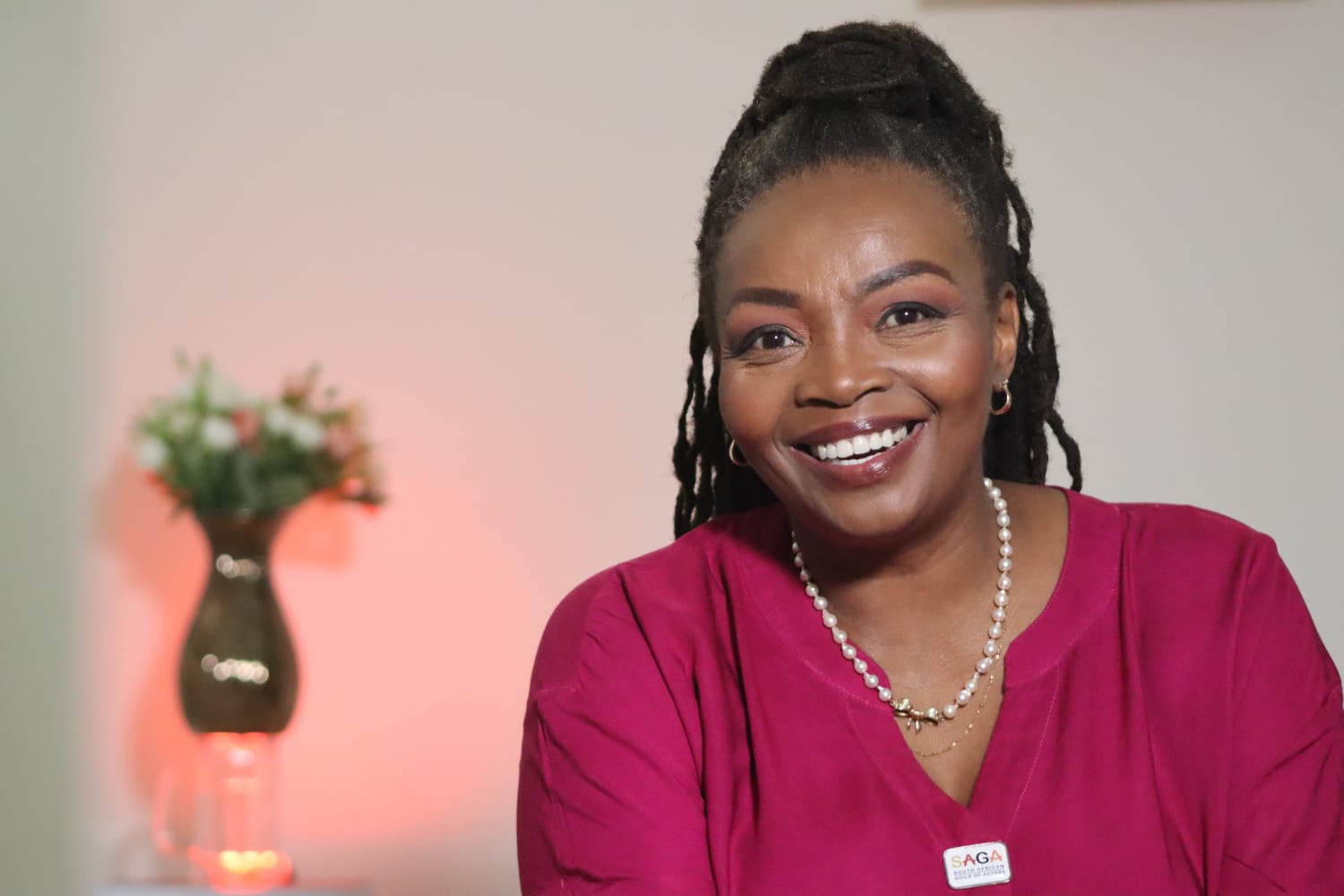
For Nambitha Mpumlwana, the most meaningful conversations between women rarely happen behind a microphone. They happen after the formalities, when conference programmes have ended, chairs are pulled closer together and women begin sharing the experiences they might never have disclosed from a stage.
It is this seemingly ordinary moment that inspired the veteran actress, producer and women’s advocate to establish The Divas’ Repartee, a platform she hopes will change how women connect, learn from one another and tell their stories.
Now, she is taking that vision beyond the room with the launch of Divas’ Repartee Magazine, which will officially debut at the second edition of The Divas’ Repartee at The Fairway Hotel in Randburg, Johannesburg, on December 6.
Through her women’s empowerment movement, Diva Nexus, Mpumlwana wants to create something more meaningful than another networking event filled with motivational speeches and business cards.
“We didn’t need another stage. We needed a circle,” she says.
Creating spaces for honest conversations
She explained to Sunday World that the idea came from observing how women naturally gravitate towards one another once formal programmes end. These conversations, she believes, often carry more value than the presentations delivered from the podium because they allow women to share their lived experiences, vulnerabilities and triumphs without the pressure of presenting a polished version of themselves.
For Mpumlwana, the distinction is important in a world where women’s empowerment has increasingly become a familiar feature of corporate events and public campaigns. She is particularly critical of initiatives that celebrate women publicly but fail to change their circumstances.
Also Read: Nambitha Mpumlwana slams influencers: Humble yourselves
“Empowerment has become a very fashionable word, and fashion fades. The test I use is simple: who holds the microphone, and what happens when the event is over?” she says.
Her argument is that genuine empowerment must translate into tangible opportunities, whether through access to capital, skills, professional networks, decision-making positions or the ability to control one’s own narrative.
“A hashtag campaign during Women’s Month is not a strategy. I would rather see one woman truly equipped to build something lasting than a thousand women handed a slogan.”
Beyond slogans and symbolic empowerment
It is a perspective shaped partly by her own experiences in the entertainment industry, where she has spent years navigating the expectations placed on women in front of and behind the camera.
As an actress, Mpumlwana says she learnt how quickly women can be categorised, boxed in and expected to conform to particular standards.
Women are expected to be agreeable, flawless and palatable
However, stepping into the producer’s chair changed her understanding of what empowerment could look like. She realised that having opportunities to perform was not enough; women also needed the authority and resources to shape the stories being told.
She says:
“True empowerment isn’t just about getting a seat at the table or being given a role; it is about owning the narrative.”
For her, moving from being the talent directed by others to becoming a creator who helps shape the story was an important shift. That philosophy now informs the magazine, which she hopes will challenge the tendency to celebrate women’s achievements without examining the difficult journeys behind them.
Telling the full story of African women
Mpumlwana believes mainstream media often favours the polished highlight reel, focusing on celebrity, corporate success and highly visible personalities while overlooking women building businesses, preserving indigenous culture and supporting communities outside major urban centres.
She wants the publication to spotlight these quieter contributions, including the failures, financial struggles, career changes and difficult decisions that rarely make it into conventional success stories.
“We aren’t just telling stories of corporate triumph; we are telling the whole, authentic story of the African woman,” she says.
The magazine will feature interviews, profiles and features celebrating women across different industries and backgrounds. Its first gathering will bring together six speakers: Candice Modiselle-Sello, Carlynn de Waal-Smit, Manana Mothupi, Dr Nomvuyo Methuse, Tracey O’Connor and Motshabi Malatsi.
Their conversations will explore ambition, leadership, entrepreneurship, resilience and personal growth. But beyond celebrating their achievements, Mpumlwana wants women to be comfortable sharing the moments when things did not go according to plan.
She believes that when successful women speak openly about failure and vulnerability, they help younger women understand that difficult seasons are not necessarily signs of inadequacy.
“Achievements tell you where a woman arrived, but failures and hard decisions tell you how she survived the journey,” she says.
She also challenges the idea that women must compete for limited opportunities, arguing that genuine sisterhood requires women to actively open doors for one another.
For her, it means sharing opportunities, giving credit, allowing women room to grow and recognising that another woman’s success does not diminish one’s own.
Building a sustainable movement
Mpumlwana admits that establishing Diva Nexus has required her to juggle the responsibilities of being a visionary, strategist and administrator, while navigating uncertainty around resources and timing.
There have been moments of doubt, she says, but the women who continue to show up for the conversations remind her why the work matters.
Looking ahead, she hopes Diva Nexus will become a trusted platform for women’s voices across Africa, with the magazine growing into a respected publication representing women across industries, languages and communities.
Ultimately, she wants a woman reading the magazine to recognise herself in another woman’s journey and find the courage to pursue her own ambitions.
“If we have made women feel seen, heard and braver, then we have done what we set out to do,” she says.
Also Read: Actress Nambitha Mpumlwana’s national tour to unleash diva’s voice within women
Subscribe To Our Newsletter or get the news delivered to your phone via our WhatsApp Channel.
- Nambitha Mpumlwana founded The Divas’ Repartee platform to facilitate meaningful and honest conversations among women beyond formal events.
- The Divas’ Repartee Magazine will launch at the second edition of The Divas’ Repartee on December 6 at The Fairway Hotel in Randburg, Johannesburg.
- Mpumlwana criticizes superficial women's empowerment initiatives, advocating for tangible opportunities like access to capital, skills, and decision-making roles.
- The magazine aims to share authentic stories of African women, including challenges and failures, rather than just polished success narratives.
- Diva Nexus, Mpumlwana's empowerment movement, intends to become a trusted pan-African platform promoting sisterhood and real women's voices.