


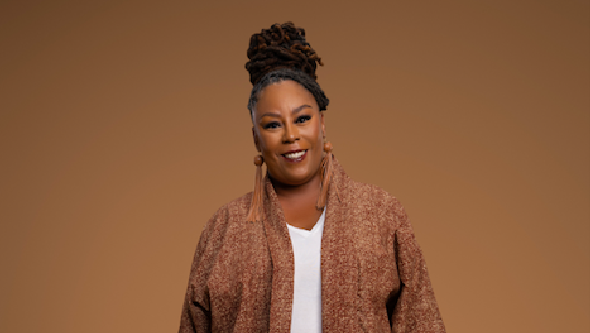
Reality television often comes with drama and spectacle, but for Pauline Makhene, appearing on The Makhenes has become something far more personal, a journey of healing.
The eldest daughter of legendary musician Blondie Makhene says revisiting painful moments from her past while filming the Mzansi Magic reality series has helped her confront experiences she had carried for nearly two decades.
“My most emotional moment so far has been dealing with what I went through 18 years ago,” Pauline revealed. “It was real, and speaking about it on the last episode has been so healing.”
The Makhenes, which airs every Sunday at 7pm, follows one of South Africa’s most recognisable entertainment families as they navigate relationships, spirituality, parenting, conflict, and fame across three generations.
While much of the spotlight has centred on actress and musician Letoya Makhene, Pauline’s honesty about mental health and emotional struggles has resonated strongly with viewers.
She admitted that publicly discussing her mental health journey is still a new experience but said taking ownership of her story became necessary.
“I’m only opening up about it now, so the experience is still very new to me,” she said.
“Owning your narrative prevents people from looking down on you. Otherwise, some people dismiss everything you say as ‘crazy talk’, and that’s the worst part.”
Filming reality show brought family together
For Pauline, allowing cameras into the family’s private world has not created division as many might expect from reality television. Instead, she says it has brought the family together.
“My relationship with my family hasn’t changed; in fact, it’s better. We’ve had a lot of meaningful offline conversations with each other.”
She credits younger sister Letoya for convincing her to take part in the reality series in the first place.
“I was drawn to the idea of doing a reality show by my sister, Letoya. It sounded like fun, so I agreed,” she said.
Growing up in the public eye as part of the famous Makhene family also taught Pauline resilience from an early age.
“Being in the spotlight from an early age teaches you humility. You can’t remain static, so I’m constantly evolving and changing every day.”
Despite years in the entertainment industry, she says she has learned not to allow criticism or public opinion to define her. “I handle negative media attention by ignoring it as much as I can.”
Away from television cameras, Pauline also focuses on motherhood and career growth.
She describes her parenting style as “honest, strict, supportive, and friendly”, while acknowledging that raising young adults has become a learning curve.
She explained: “My children live with their grandparents, so I continued with the foundation that was already there.
“Now that they’ve passed matric, I’m navigating life with young adults. I learn as they grow, so I’m still figuring it out along the way.”
Preserving Blondie’s story remains important
The reality star also says filming The Makhenes has motivated her to push harder professionally, particularly with ambitions for her record company.
“Since filming, I have focused my personal growth on establishing my record company. I’m so much more determined when it comes to my career.”
At the heart of the show, however, is family legacy. Pauline says preserving her father’s story remains deeply important to the Makhene family.
“Not only by aligning with the right contacts, but also through music, interviews, and by helping him tell his story as we speak.”
She believes audiences connect with the show because the family refuses to pretend their lives are perfect.
“It’s very real. We’re not pretending; this is who we are: the good, the bad, and the ugly.”
And while fame may make the Makhenes highly visible, Pauline insists their experiences are not very different from those of many South African families.
“As South Africans, we look alike, we speak alike, and we share many of the same experiences as everyone else. We’re just bolder and louder.”
- Pauline Makhene finds filming The Makhenes reality show a healing experience, helping her confront emotional trauma from 18 years ago.
- The show highlights the Makhene family's real-life dynamics across three generations, focusing on relationships, mental health, and legacy.
- Pauline admits discussing her mental health publicly is new but important to prevent stigma and owns her narrative to combat judgment.
- Filming brought the family closer, with Pauline crediting her sister Letoya for encouraging her participation, and she manages public criticism by ignoring negativity.
- The show inspires Pauline's career growth, particularly her record company ambitions, while emphasizing preserving their father Blondie Makhene’s legacy authentically.


