


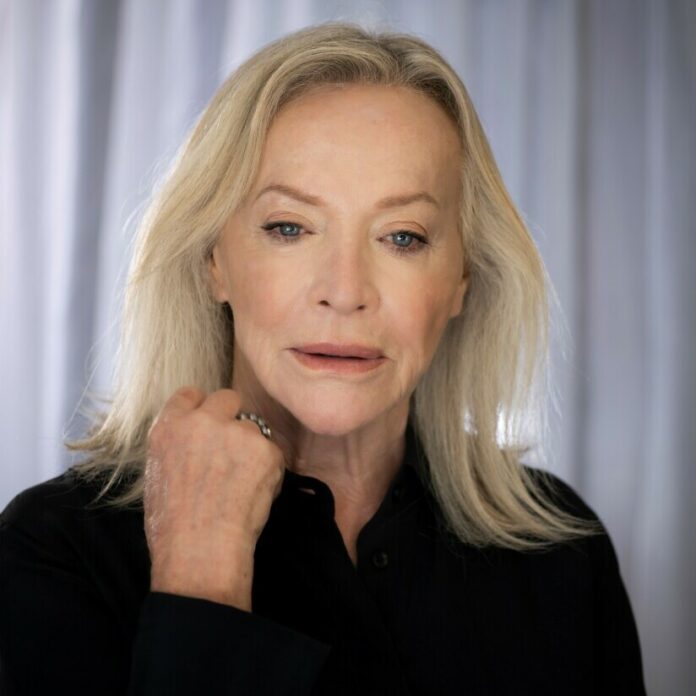
In 1985, while apartheid was enforcing racial separation across every aspect of South African life, actress Sandra Prinsloo walked onto a stage and crossed a racial boundary that few would have dared to challenge.
She performed intimate scenes with black African actor John Kani. The production was August Strindberg’s Miss Julie, and its portrayal of an interracial relationship challenged one of apartheid South Africa’s most deeply entrenched racial taboos.
Prinsloo’s decision to remain in the production came at a personal cost. She faced public hostility, bomb threats and ostracism, but refused to walk away. Almost four decades later, that act of artistic courage remains one of the defining moments of a career spanning more than five decades.
Prinsloo is now set to receive an honorary doctorate from North-West University (NWU) on 29 September in Potchefstroom, with the nomination made by the university’s School of Creative Industries and Performing Arts in the Faculty of Humanities.
Also Read: Minister Manamela launches R2.9-billion internship programme in North West
The recognition celebrates a performer whose career has extended far beyond the stage, encompassing more than 120 theatre, film and television productions. Prinsloo’s work in Miss Julie was particularly significant because of the society in which it was staged.
At the height of apartheid, racial separation was entrenched through legislation and enforced across South African society. Interracial intimacy was subject to some of the regime’s most restrictive laws and social conventions.
Against this backdrop, Prinsloo and Kani’s performances presented audiences with an interracial relationship on stage.
The production became more than a theatrical performance. It confronted an audience with a relationship that apartheid ideology insisted should not exist. Prinsloo’s willingness to continue despite the backlash demonstrated the potential of theatre to challenge social conventions and create space for difficult conversations. Her work would repeatedly engage with questions of identity, justice and human relationships.
A five-decade legacy
Prinsloo has built a career performing works by some of the world’s most celebrated playwrights, including William Shakespeare, Henrik Ibsen, Anton Chekhov and Athol Fugard.
Her career has also taken her beyond South Africa, with international appearances in England, France, Germany, Scotland, Ireland, Sweden, China and the United States. She has maintained a strong connection with Potchefstroom through her involvement in the Aardklop National Arts Festival.
Her performances in productions including Kamphoer, My Seuns, Oskar en die pienk tannie, Naaimasjien, Die Seemeeu and So ry Miss Daisy have contributed to the festival’s artistic profile and the region’s cultural life.
Her association with Aardklop has also provided NWU students with opportunities to experience professional theatre and engage with established performers. Prinsloo’s contribution to South African culture extends beyond acting.
She has worked as a director, television presenter and interviewer, and has directed theatre and cabaret productions since 1990. She is also deputy chair of the Stigting vir Bemagtiging deur Afrikaans (SBA), where she has been involved in empowerment projects producing television programmes about the heritage and stories of disadvantaged communities.
Also Read: Saftas 19 entries surge as Tshedza Pictures leads the nominations pack
The programmes explore, among other things, the influence of languages spoken within these communities on the development of Afrikaans. Her contribution to the performing arts has earned her numerous accolades, including the Order of Ikhamanga in Silver in 2014 for her contribution to the performing arts and opposition to racism.
She has also received multiple Fleur du Cap and kykNET Fiësta awards, as well as a Lifetime Achievement Award in 2022. As NWU prepares to honour her, Prinsloo’s legacy is therefore about more than the sheer number of productions in which she has appeared. It is also about the moments when she used her craft to challenge the boundaries of the society around her.
In 1985, the stage gave Prinsloo and Kani a space to challenge one of apartheid’s most powerful taboos. Decades later, that courage remains an important part of the story of one of South Africa’s most enduring performers.
- In 1985, Sandra Prinsloo and John Kani performed intimate scenes in August Strindberg’s Miss Julie, challenging apartheid South Africa's racial taboos.
- Prinsloo faced public hostility, bomb threats, and ostracism but remained in the production during apartheid.
- She is set to receive an honorary doctorate from North-West University (NWU) on 29 September in Potchefstroom.
- Prinsloo's career spans over five decades and includes more than 120 theatre, film, and television productions, with international appearances.
- Prinsloo has received numerous awards, including the Order of Ikhamanga in Silver in 2014 and a Lifetime Achievement Award in 2022.


