


How society does wellness is evolving and no longer just confined to dimly lit spa rooms and scented oils. Globally, travellers are rethinking what “rest” truly means.
With wellness tourism expected to hit R17.48 trillion this year, the focus has moved away from indulgence and towards impact, emphasising the importance of sustainable practices and personal well-being outcomes that contribute positively to both the individual and the environment.
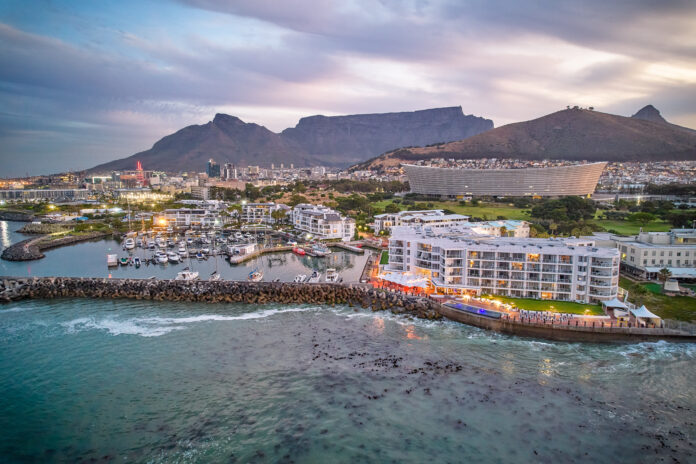
In Cape Town, the ocean itself is the main event, having shifted from a scenic backdrop to a powerful and natural treatment. At the centre of this shift is a simple idea that the environment can do the work for you.
Many people find themselves trapped in a perpetual state of stress after years of fast-paced, screen-heavy living. Now, the goal is to reset the nervous system, move out of “fight or flight” mode and into stillness that runs much deeper.
Coastal destinations are framing themselves as the solution, offering a mix of sensory triggers that naturally regulate the body, such as the sound of waves, the scent of salt water, and the calming visuals of the ocean, which can help individuals transition from stress to relaxation.
“The body often arrives before the mind,” says wellness expert Sabashni Naidoo. “People show up physically, but they’re still carrying stress from wherever they’ve come from.”
Science backs this theory. Time spent near the water, often referred to as “blue spaces”, has been shown to lower cortisol levels, boost moods, and promote relaxation. Even the sound of waves plays a role, helping the brain slow down and settle.
In Cape Town, ocean life is not a curated experience; it’s a way of life. From sunrise dips in icy Atlantic waters to ocean-facing yoga sessions and breathwork timed to the rhythm of the waves, wellness here is rooted in the elements.
Spa treatments are changing to use local sea salts and minerals instead of imported ones, showing a greater focus on sustainability and the advantages of using natural resources from the area. Wellness centres are also embracing the outside world by creating spaces that harmonise with the ocean.
“We’re right on the edge of the Atlantic,” Naidoo explains. “So, it made sense to let that environment shape the experience.”
This more integrated approach is what sets the trend apart. It’s not about escaping reality, but it’s about reconnecting with it.
Cape Town’s natural advantage lies in its coastline, where the ocean is part of everyday life. Early morning swims, sunset walks and fresh sea air aren’t luxuries; they’re accessible elements for wellness rituals.
Add to that the rise of cool-climate travel, and the city becomes even more appealing for those looking to recharge, as it offers a refreshing environment that enhances relaxation and rejuvenation.
And the best part is that you don’t need to book a luxury retreat to tap into it. Start small: take a cold-water dip at Clifton, swap your gym session for a beach walk, or try a simple breathing exercise by the sea.
The ocean does the heavy lifting; you just need to show up. Because right now, the real luxury isn’t excess. It’s feeling like yourself again.
- Wellness practices are evolving beyond traditional spa settings.
- Modern travelers are redefining the concept of "rest."
- The trend reflects a global shift in how people approach relaxation.
- Wellness is becoming more diverse and personalized.
- The article explores these changes in-depth (full story accessible via e-edition purchase).


