


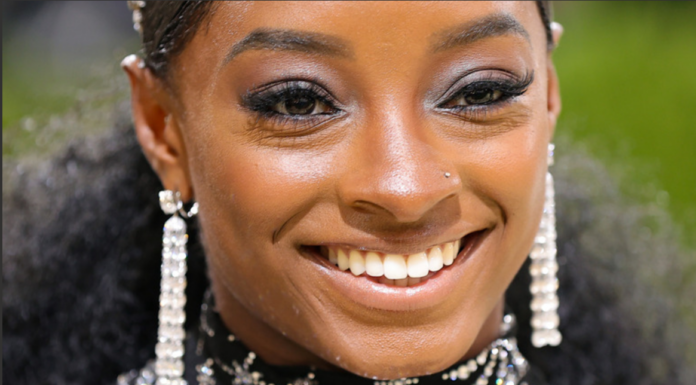
When four-time Olympic champion Simone Biles casually mentioned on TikTok and later confirmed in interviews that she’d undergone eyelid surgery to fix what she playfully calls her “Biles eye bags”, the internet erupted.
Almost instantly, the tongue-twisting term “blepharoplasty” became one of the most-searched cosmetic procedures globally, sparking debates about beauty standards, ageism, and, unexpectedly, everyday eye comfort.
But beyond the viral moment, Biles may have highlighted a trend South Africans are already leaning into.
Procedure gaining global popularity
According to the latest International Society of Aesthetic Plastic Surgery (ISAPS) Global Survey, eyelid surgery is now the most-performed cosmetic procedure in the world. More than 2.1 million blepharoplasties were done in 2024, a staggering 13.4% increase in just one year.
And here at home? South Africa isn’t just following the global curve; it’s contributing to it.
ISAPS data shows eyelid surgeries in South Africa jumped from 5, 864 in 2023 to 6, 945 in 2024. An 18.4% surge that makes it the country’s number one cosmetic surgical procedure by volume.
Johannesburg-based plastic and reconstructive surgeon Professor Chrysis Sofianos says the shift has been striking.
“In the past, many patients were hesitant to even bring up eyelid surgery. Now, they walk in with clear goals. They’re tired of looking fatigued on Zoom calls, or, like Simone Biles, they want to address hereditary lower-lid bags. People are far better informed and far more open than ever before,” Sofianos says.
Many contributing factors
For some, droopy lids or persistent under-eye bags may feel purely cosmetic. But Sofianos explains that the impact is often more functional than people realise.
Ageing, sun exposure, and genetics can cause the upper eyelids to stretch and fold over. This creates what he describes as a “mechanical problem”.
“Patients often think they’re just exhausted or getting older,” he explains. “But many are subconsciously lifting their eyebrows all day just to see properly.”
This can narrow the field of vision, contributing to:
- Constant forehead tension
- Headaches
- Neck strain
- Difficulty reading or driving, especially at night
- Eye fatigue from long hours on screens
Life-changing procedure
A well-planned blepharoplasty reshapes or removes excess skin and fat, lifting the lid out of the line of sight.
“The comment I hear most after surgery isn’t ‘I look younger. It’s: ‘I can see the traffic lights again,’ or ‘I [no longer] feel like I’m fighting to keep my eyes open.”
Blepharoplasty is usually done as a day procedure under sedation or general anaesthetic.
- Upper eyelids: The incision sits in the natural crease, making it nearly invisible after healing.
- Lower eyelids: The approach may be just under the lashes or inside the eyelid depending on whether skin tightening or fat repositioning is needed.

“Every eyelid is unique,” Sofianos says.
“We assess skin quality, muscle tone, fat pads and how much the lid is blocking vision. The aim is always a natural, refreshed result. You should still look like yourself, just more at ease.”
More advanced medical procedures
Most patients are comfortable working from home within a few days. And they feel “socially ready” in 10–14 days as swelling settles. The final refined look develops over a few months.
And while all cosmetic procedures require long-term maintenance, blepharoplasty’s results last significantly longer than many other interventions.
“If it’s done at the right time and by the right surgeon, it’s usually a long-term solution,” he notes.
Eyelid surgery topping both global and South African procedure statistics. As such, one thing is clear: blepharoplasty is no longer just a subtle aesthetic tweak.
for many, it’s becoming a small surgical intervention with a surprisingly meaningful impact. The impact is mainly on comfort, confidence, and how they navigate the world.
- When four-time Olympic champion Simone Biles casually mentioned on TikTok and later confirmed in interviews that she’d undergone eyelid surgery to fix what she playfully calls her “Biles eye bags”, the internet erupted.
- Almost instantly, the tongue-twisting term “blepharoplasty” became one of the most-searched cosmetic procedures globally, sparking debates about beauty standards, ageism, and, unexpectedly, everyday eye comfort.
- But beyond the viral moment, Biles may have highlighted a trend South Africans are already leaning into.
- Procedure gaining global popularity According to the latest International Society of Aesthetic Plastic Surgery (ISAPS) Global Survey, eyelid surgery is now the most-performed cosmetic procedure in the world.
- More than 2.1 million blepharoplasties were done in 2024, a staggering 13.4% increase in just one year.


