


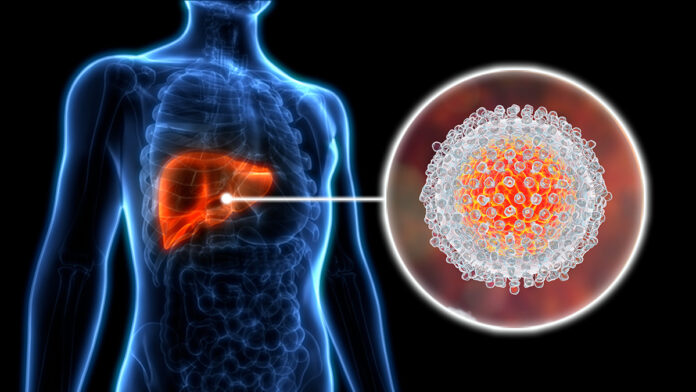
As South Africa marked World Hepatitis Day this week, health experts are warning that millions of people could be living with hepatitis B or C without knowing it, placing them at risk of life-threatening liver disease.
According to Roche Diagnostics South Africa, an estimated 2.7-million South Africans are living with viral hepatitis, yet the majority remain undiagnosed because the disease often develops silently, showing no symptoms until irreversible liver damage has already occurred.
Merilynn Steenkamp, general manager for Southern Africa at Roche Diagnostics, said the biggest challenge is that hepatitis is largely invisible.
“Some diseases announce themselves early. Others creep up subtly. Hepatitis B and C can damage the liver before symptoms appear, leaving people unaware they are living with the disease until serious complications develop,” she said.
Hepatitis claims around 3 500 lives every day
Globally, viral hepatitis affects more than 300-million people and claims around 3 500 lives every day due to liver disease and liver cancer.
Steenkamp said hepatitis B and C remain the leading causes of chronic liver disease worldwide, despite hepatitis B being preventable through vaccination.
“The sooner hepatitis is identified, the sooner people can access appropriate care and treatment, reducing the risk of serious liver disease and improving long-term health outcomes,” she said.
She encouraged South Africans, particularly those at higher risk, to voluntarily undergo testing, describing the process as a simple blood test that takes only a few minutes and requires no special preparation.
The warning comes as healthcare professionals call for greater use of South Africa’s existing diagnostic infrastructure, much of which was strengthened through decades of investment in HIV testing.
Rather than creating entirely new systems, Steenkamp believes hepatitis testing should be integrated into routine healthcare services wherever possible.
“South Africa is not starting from scratch. Years of investment in molecular diagnostic infrastructure for HIV have created sophisticated laboratory networks capable of supporting hepatitis testing,” she said.
Vaccination included in South Africa’s childhood immunisation programme
Health experts say hepatitis B vaccination has been included in South Africa’s childhood immunisation programme since 1995, with infants routinely receiving three doses during their first months of life. The World Health Organization also recommends a birth dose for babies born to mothers living with hepatitis B.
Despite these advances, late diagnosis continues to undermine efforts to eliminate the disease.
Steenkamp pointed to Egypt as an example of what is possible after the country successfully reduced hepatitis C infections through mass screening, improved diagnosis and expanded access to treatment.
“Finding people earlier changes outcomes,” she said.
“The challenge is not that hepatitis cannot be found. It is that too many people are only diagnosed after the disease has already caused harm.”
She said increasing access to testing and making hepatitis screening a routine part of healthcare could significantly reduce preventable illness and save lives.
South Africans can be tested for hepatitis B and C at government clinics, community health centres and public hospitals. Testing is also available through private doctors, hospitals and pathology laboratories such as Ampath, Lancet Laboratories and PathCare.
The test requires a simple blood sample and usually takes only a few minutes. Anyone who believes they may be at risk should speak to a healthcare provider about whether hepatitis screening is appropriate.
For many South Africans, she added, one voluntary test could make the difference between early treatment and discovering the disease only after lasting liver damage has occurred.
- An estimated 2.7 million South Africans live with viral hepatitis B or C, with most undiagnosed due to the silent progression of the disease.
- Hepatitis B and C are leading causes of chronic liver disease globally, causing around 3,500 deaths daily, despite hepatitis B being vaccine-preventable.
- Experts urge increased voluntary hepatitis testing using South Africa’s existing HIV molecular diagnostic infrastructure to enable earlier diagnosis and treatment.
- Hepatitis B vaccination has been part of South Africa's childhood immunisation since 1995, but late diagnosis still hampers disease elimination efforts.
- Accessible testing is available in public and private health facilities, with early detection critical to preventing serious liver damage and improving health outcomes.


