


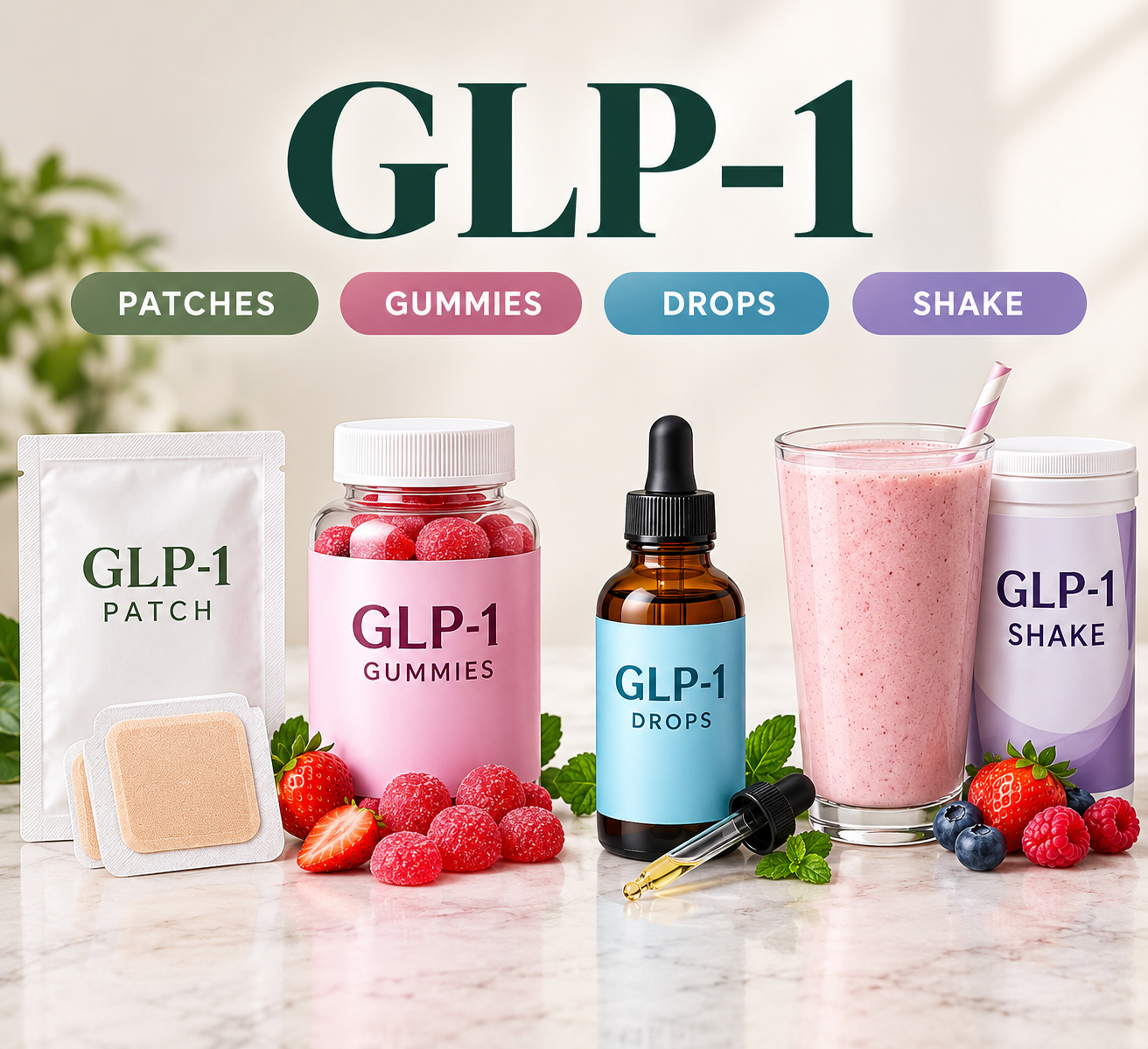
As prescription weight-loss medicines continue to attract attention, a growing market of gummies, patches, drops and powdered drinks is promising consumers similar results without the injections, medical consultations or costs associated with treatment.
But health experts are warning that products marketed as GLP-1 alternatives should not be confused with prescription medicines, particularly when their weight-loss claims are not backed by credible clinical evidence.
GLP-1, short for glucagon-like peptide-1, is a hormone naturally produced in the gut after eating. It plays a role in regulating blood sugar and appetite.
Prescription GLP-1 receptor agonists are designed to mimic or activate the effects of this hormone, helping regulate blood glucose, slow digestion and increase feelings of fullness.
However, not every product claiming to boost GLP-1 or deliver similar effects has the pharmaceutical formulation or evidence required to produce comparable results.
Sean Barnes, chief executive of Obiflex, says products marketed as GLP-1 patches, gummies and drops are not registered for the claims they make in South Africa.
He cautions consumers against assuming that products containing ingredients associated with metabolic health are equivalent to prescription treatment.
“Some supplements contain ingredients such as berberine, soluble fibre, cinnamon and other plant extracts, which have been studied for potential effects on blood glucose, appetite and metabolic health. However, evidence of meaningful weight loss is limited, and these ingredients do not replicate the effects of prescription GLP-1 medicines,” says Barnes.
Why supplements are not the same as medicines
Dr Gerhard Vosloo, founder and head consulting practitioner at Dr GL Vosloo Medical Practice, managed by BioWell, says some ingredients may influence the body’s natural GLP-1 response, but the effect is different from that of prescription medication.
“Some foods and ingredients may modestly influence natural GLP-1 release, but prescription GLP-1 medicines use active pharmaceutical ingredients designed to activate these receptors at therapeutic levels and sustain that action long enough to produce clinically-studied effects,” he explains.
Peptide-based medicines such as semaglutide face challenges when taken orally because they can be broken down during digestion and are difficult to absorb.
Oral semaglutide tablets, therefore, use a specially engineered formulation and an absorption enhancer to help the medicine enter the bloodstream. This is not something that can automatically be achieved by an ordinary liquid, gummy or supplement.
A similar challenge applies to patches, as peptide medicines do not readily pass through the skin barrier. Vosloo says ordinary over-the-counter patches have not demonstrated that they can deliver the therapeutic effects associated with prescription GLP-1 medicines.
What about protein shakes and gut-health supplements?
Not all products marketed around GLP-1 are necessarily without nutritional value. Protein, including whey protein, can stimulate the body’s natural release of GLP-1 after eating. Certain fibres may also contribute to feelings of fullness and influence digestive processes.
Prebiotics and probiotics are being studied for their potential relationship with gut bacteria and natural GLP-1 signalling. However, these effects should not be confused with the sustained receptor activation produced by prescription medicines.
A protein shake may contribute to someone’s nutritional intake, while fibre may support digestive health, but neither should be marketed as a substitute for clinically tested weight-loss treatment.
The same caution applies to products containing berberine, cinnamon and other plant extracts. Evidence of possible metabolic benefits does not establish that these ingredients produce significant or reliable weight loss.
Regulators crack down on illegal GLP-1 products
The South African Health Products Regulatory Authority (SAHPRA) has previously warned consumers about GLP-1 products promoted and sold through social media platforms.
In a November 2025 public warning, the regulator said it had identified companies and individuals illegally marketing GLP-1 products online and falsely claiming to be affiliated with or authorised by SAHPRA and major retail pharmacies.
The authority also clarified that it had not approved any oral GLP-1 solution for consumption at the time of that warning. In May 2026, SAHPRA and the South African Pharmacy Council intensified enforcement action against the unlawful manufacture and distribution of unregistered GLP-1 and GIP medicines containing semaglutide and tirzepatide.
The investigation involved products being manufactured and supplied outside the legal framework for medicine compounding. The regulators raised concerns about inadequate testing, manufacturing conditions and the potential risks to patients.
Also Read: SAHPRA weighs 12 Ozempic copycats as battle for weight-loss drugs intensifies
How consumers can protect themselves
SAHPRA has urged consumers to obtain prescription medicines through registered healthcare professionals and licensed pharmacies. It also advises the public to be cautious about products bought through social media, online vendors, gyms and informal suppliers.
Barnes says consumers should check whether a product is registered and whether the claims made by its seller can be supported by credible evidence.
“Purchase prescription medicines only from licensed pharmacies and registered dispensers. Check that online pharmacies are linked to a legitimate, licensed physical pharmacy,” he advises.
He adds that products claiming to contain semaglutide or tirzepatide but being sold without a valid prescription should raise serious concerns.
Consumers can check registered medicines through SAHPRA’s online medicine register and report suspected illegal sales or false claims of regulatory approval to the authority’s 24-hour hotline on 0800 204 307.
Also Read: GLP-1 crackdown leaves patients caught between cost and safety
- Prescription GLP-1 receptor agonists mimic the hormone glucagon-like peptide-1 to regulate blood sugar, slow digestion, and increase fullness, aiding weight loss.
- Products marketed as GLP-1 gummies, patches, and drops in South Africa are not registered or proven to deliver effects comparable to prescription medicines, according to Sean Barnes of Obiflex.
- Some supplements contain ingredients like berberine, soluble fibre, and cinnamon, which may influence metabolic health but lack credible evidence for meaningful weight loss or equivalence to GLP-1 medicines.
- The South African Health Products Regulatory Authority (SAHPRA) has warned against illegal marketing and distribution of unregistered GLP-1 products, highlighting risks from inadequate testing and manufacturing.
- Consumers are advised to obtain prescription weight-loss medicines only through licensed pharmacies and healthcare professionals and to verify product registration and claims via SAHPRA’s online medicine register.
As prescription weight-loss medicines continue to attract attention, a growing market of gummies, patches, drops and powdered drinks is promising consumers similar results without the injections, medical consultations or costs associated with treatment.
But health experts are warning that products marketed as GLP-1 alternatives should not be confused with prescription medicines, particularly when their weight-loss claims are not backed by credible clinical evidence.
GLP-1, short for glucagon-like peptide-1, is a hormone naturally produced in the gut after eating. It plays a role in regulating blood sugar and appetite.
Prescription GLP-1 receptor agonists are designed to mimic or activate the effects of this hormone, helping regulate blood glucose, slow digestion and increase feelings of fullness.
However, not every product claiming to boost GLP-1 or deliver similar effects has the pharmaceutical formulation or evidence required to produce comparable results.
Sean Barnes, chief executive of Obiflex, says products marketed as GLP-1 patches, gummies and drops are not registered for the claims they make in South Africa.
He cautions consumers against assuming that products containing ingredients associated with metabolic health are equivalent to prescription treatment.
“Some supplements contain ingredients such as berberine, soluble fibre, cinnamon and other plant extracts, which have been studied for potential effects on blood glucose, appetite and metabolic health. However, evidence of meaningful weight loss is limited, and these ingredients do not replicate the effects of prescription GLP-1 medicines,” says Barnes.
Why supplements are not the same as medicines
Dr Gerhard Vosloo, founder and head consulting practitioner at Dr GL Vosloo Medical Practice, managed by BioWell, says some ingredients may influence the body’s natural GLP-1 response, but the effect is different from that of prescription medication.
“Some foods and ingredients may modestly influence natural GLP-1 release, but prescription GLP-1 medicines use active pharmaceutical ingredients designed to activate these receptors at therapeutic levels and sustain that action long enough to produce clinically-studied effects,” he explains.
Peptide-based medicines such as semaglutide face challenges when taken orally because they can be broken down during digestion and are difficult to absorb.
Oral semaglutide tablets, therefore, use a specially engineered formulation and an absorption enhancer to help the medicine enter the bloodstream. This is not something that can automatically be achieved by an ordinary liquid, gummy or supplement.
A similar challenge applies to patches, as peptide medicines do not readily pass through the skin barrier. Vosloo says ordinary over-the-counter patches have not demonstrated that they can deliver the therapeutic effects associated with prescription GLP-1 medicines.
Not all products marketed around GLP-1 are necessarily without nutritional value. Protein, including whey protein, can stimulate the body’s natural release of GLP-1 after eating. Certain fibres may also contribute to feelings of fullness and influence digestive processes.
Prebiotics and probiotics are being studied for their potential relationship with gut bacteria and natural GLP-1 signalling. However, these effects should not be confused with the sustained receptor activation produced by prescription medicines.
A protein shake may contribute to someone’s nutritional intake, while fibre may support digestive health, but neither should be marketed as a substitute for clinically tested weight-loss treatment.
The same caution applies to products containing berberine, cinnamon and other plant extracts. Evidence of possible metabolic benefits does not establish that these ingredients produce significant or reliable weight loss.
The South African Health Products Regulatory Authority (SAHPRA) has previously warned consumers about GLP-1 products promoted and sold through social media platforms.
In a November 2025 public warning, the regulator said it had identified companies and individuals illegally marketing GLP-1 products online and falsely claiming to be affiliated with or authorised by SAHPRA and major retail pharmacies.
The authority also clarified that it had not approved any oral GLP-1 solution for consumption at the time of that warning. In May 2026, SAHPRA and the South African Pharmacy Council intensified enforcement action against the unlawful manufacture and distribution of unregistered GLP-1 and GIP medicines containing semaglutide and tirzepatide.
The investigation involved products being manufactured and supplied outside the legal framework for medicine compounding. The regulators raised concerns about inadequate testing, manufacturing conditions and the potential risks to patients.
Also Read: SAHPRA weighs 12 Ozempic copycats as battle for weight-loss drugs intensifies
SAHPRA has urged consumers to obtain prescription medicines through registered healthcare professionals and licensed pharmacies. It also advises the public to be cautious about products bought through social media, online vendors, gyms and informal suppliers.
Barnes says consumers should check whether a product is registered and whether the claims made by its seller can be supported by credible evidence.
“Purchase prescription medicines only from licensed pharmacies and registered dispensers. Check that online pharmacies are linked to a legitimate, licensed physical pharmacy,” he advises.
He adds that products claiming to contain semaglutide or tirzepatide but being sold without a valid prescription should raise serious concerns.
Consumers can check registered medicines through SAHPRA’s online medicine register and report suspected illegal sales or false claims of regulatory approval to the authority’s 24-hour hotline on 0800 204 307.
Also Read: GLP-1 crackdown leaves patients caught between cost and safety


