


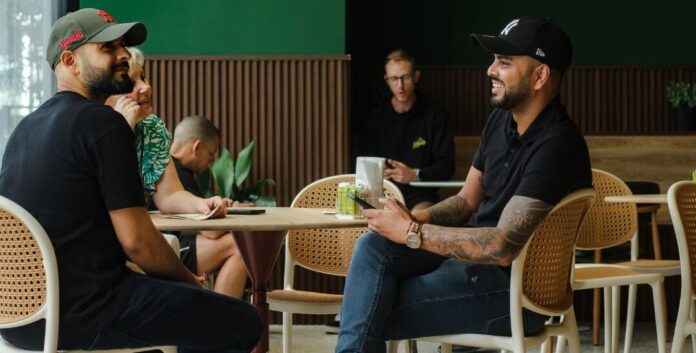
In a city built on fast pace, ambition and constant movement, finding spaces that encourage people to slow down and genuinely connect has become increasingly rare. Yet tucked inside The MARC, Alostro Coffee Club is quietly redefining what a café can mean in modern urban Africa.
Recently nominated for the Best Overall Guest Experience award at the South Africa Restaurant Awards, Alostro has evolved far beyond coffee culture. It has become one of Sandton’s most intentional communal spaces, part café, part lifestyle hub and part social ecosystem for Johannesburg’s growing community of entrepreneurs, creatives and professionals.
“Alostro was never meant to be just another café,” said co-founders Mlondolozi Hempe and Wandisa Zuba. “From the beginning, we wanted it to feel more human than transactional.”
‘A social living room for the city’
That philosophy sits at the centre of everything the brand has become. While many cafés prioritise speed, convenience and customer turnover, Alostro was built around conversation, culture, routine and connection. The founders say they became more interested in how people feel when they walk into a space than simply how quickly they are served.
“The coffee matters deeply to us, and the food matters deeply to us, but what really makes the space different is that people stay,” say Hempe and Zuba.
“Meetings happen here, friendships form here, ideas get started here. It behaves more like a social living room for the city than a traditional coffee shop.”
That concept has resonated strongly in Sandton, Africa’s financial capital and one of the continent’s most fast-paced commercial districts. While the area symbolises ambition and economic opportunity, it can also feel isolating for many young professionals navigating modern city life.
“Everyone is moving, building, chasing deadlines and trying to survive the pace of modern city life,” the co-founders explain. “We wanted to create a place where professionals, creatives, entrepreneurs and everyday people could pause, reset and feel part of something.”
A third space
The result is what urban sociologists often refer to as a third space – an environment separate from both home and work where people can gather, connect and build community without pressure or formality.
Across major global cities, third spaces are becoming increasingly important as traditional forms of community continue to shift. For many professionals, especially in Johannesburg, life now revolves around traffic, meetings, digital work and constant online interaction.
“Home has become work, work has become digital, and a lot of professionals spend their lives moving between meetings, traffic and screens,” say Hempe and Zuba. “Third spaces give people somewhere to belong without pressure.”
At Alostro, that belonging has manifested organically. What began as a premium coffee destination slowly transformed into a socioeconomic and cultural meeting point as customers naturally started integrating the café into their daily lives.
The founders noticed people holding casual meetings, working remotely for hours, reconnecting after social runs and building new professional relationships over breakfast or coffee. Over time, the space developed an identity that extended well beyond hospitality.
“We realised we were building something beyond food and coffee, we were building a space centred around community, culture and connection,” they say.
Wellness-driven culture
That thinking also informed the café’s growing wellness-driven culture. From social runs to community events, Alostro intentionally integrates wellness into its business model in a way that feels authentic rather than performative.
“Modern city culture can be incredibly draining, especially in Johannesburg,” say Hempe and Zuba. “We did not want to create a brand that only profited from people’s exhaustion.”
Instead, they wanted the brand to contribute positively to people’s lifestyles and mental wellbeing while still maintaining a strong social atmosphere.
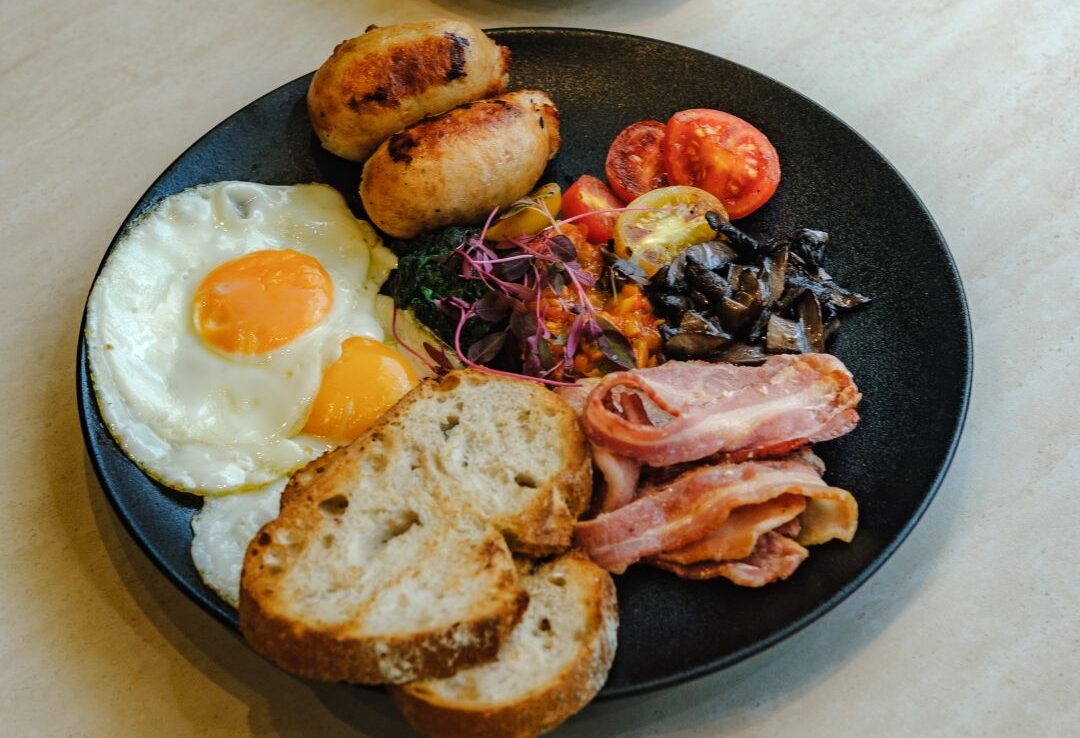
The space itself mirrors a broader shift happening among younger African professionals, many of whom are increasingly rejecting rigid corporate culture in favour of environments that feel more relaxed, collaborative and human-centred.
“In communal spaces, conversations tend to flow more naturally and ideas are often shared more freely,” the founders say. “There is an energy that comes from shared spaces that feels more collaborative and less formal.”
That energy has produced real outcomes. The founders say they have witnessed collaborations emerge between strangers, businesses exchange contacts over breakfast and opportunities form through simple day-to-day interactions.
“In many ways, the space acts as a bridge between industries, cultures and personalities that might never normally interact,” they say.
Preserving authenticity
For Alostro, the challenge now lies in preserving that authenticity while growing commercially. The founders acknowledge that success often creates pressure for businesses to become more polished, scalable and corporate, sometimes at the expense of the intimacy people originally connected with.
“Community cannot be manufactured,” say Hempe and Zuba. “People can feel when something becomes performative.”
Still, the recent South Africa Restaurant Awards nomination has reaffirmed that consumers are increasingly seeking more thoughtful hospitality experiences rooted in culture, wellness and genuine human connection.
“For us, it is not only recognition for good coffee or good food, but recognition of the culture and community we have tried to build around the brand,” say Hempe and Zuba.
- Alostro Coffee Club in Sandton is redefining the café experience by prioritizing community, connection, and a slower pace over speed and convenience.
- Nominated for Best Overall Guest Experience at the South Africa Restaurant Awards, it serves as a "third space" where professionals, creatives, and entrepreneurs gather beyond home and work.
- The café fosters a wellness-driven culture with social runs and community events aimed at supporting mental wellbeing amidst the pressures of Johannesburg’s fast-paced urban life.
- Alostro functions as a social living room, facilitating casual meetings, collaboration, and relationship-building, bridging diverse industries and cultures.
- The founders emphasize maintaining authenticity and intimacy despite commercial growth, focusing on creating genuine cultural and community experiences rather than purely transactional interactions.


