


Before children can explain concepts such as heritage, identity or representation, they are already learning what those ideas mean from the world around them.
They learn through everyday experiences, the stories told at home, the meanings behind their names, family recipes, languages spoken around them, conversations with grandparents, songs, photographs and the books placed in their hands.
In South Africa, heritage is often associated with Heritage Day on September 24, when people celebrate their cultures and traditions.
But heritage extends far beyond a single day.
It is found in the stories, memories, languages and everyday practices that help children understand who they are, where they come from and where they belong.
READ: What South Africans love about home: Ofori, Mncube and Gangiah celebrate Heritage Day
For children’s author and founder of For Little People, Thabisile Sambo, books can play an important role in helping children make those connections.
“Children start forming a sense of who they are long before they can explain it in words,” says Sambo.
“The stories they hear and the characters they see all contribute to that. When a child recognises their hair, name, family, culture or even something as small as the food they eat in a story, it tells them that they too belong.”
Why representation matters in children’s books
That belief is central to For Little People, a local publishing house focused on creating stories in which children can see themselves reflected.
Sambo has previously spoken about intentionally seeking books and toys that reflected her own daughter, an experience that eventually inspired her to start creating bedtime stories herself.
But she believes representation should also introduce children to experiences beyond their own.
“A good children’s story should allow one child to recognise themselves while giving another child the chance to discover someone whose life may look completely different from theirs. That also forms part of heritage. It is knowing who you are without believing that your way of being is the only way.”
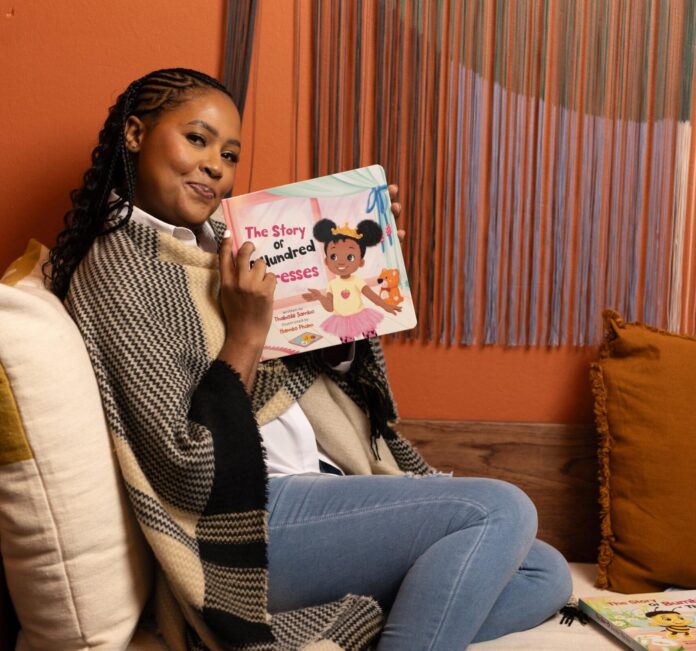
This approach features in The Story of a Hundred Dresses, one of For Little People’s three titles currently available across the country. The interactive book follows Layla as she plays with her animal friends while introducing young readers to basic numeracy and visual recognition.
Alongside the counting, children encounter colours, patterns and clothing associated with five South African cultures.
For Sambo, incorporating culture into the story was deliberate.
“With The Story of a Hundred Dresses, I didn’t want culture to feel like a lesson children had to sit through. I wanted it to be part of the fun,” she says.
“A child may think they are simply counting dresses, looking at colours and enjoying the pictures, but at the same time they are being introduced to different South African cultures.”
The approach makes cultural discovery part of an ordinary reading experience rather than something reserved for formal lessons or annual celebrations. That matters because books can become one of the first ways children encounter people and experiences beyond their immediate surroundings.
ALSO READ: Nzinga Qunta releases children’s book in 11 official languages
A child might recognise something familiar in a character and feel affirmed. On another page, they could encounter a name, item of clothing, tradition or family experience they have never encountered before.
“Heritage should give children roots and leave them curious to learn more. We want children to be proud of where they come from, but we also want them to grow up interested in other people. A child should be able to say, ‘This is who I am,’ and still be excited to ask: ‘Tell me who you are.’”
Keeping heritage alive beyond Heritage Day
For parents, heritage does not necessarily have to be presented to children as a complicated concept. Instead, it can become part of ordinary family life.
Sambo suggests that parents can start by telling children family stories about their parents, grandparents and other relatives. Even seemingly ordinary memories can help children understand their family’s history.
Parents can also explain the meaning behind their children’s names, including who chose them and why they were significant to the family.
Books can become another way of exploring culture.
Parents can choose stories in which children recognise themselves while also introducing them to languages, traditions and experiences different from their own.
Older generations can also be brought into these conversations. Grandparents and other relatives often carry family histories that may never be formally recorded.
Language, music, hairstyles, food, games and family traditions can similarly become opportunities for children to learn about where they come from.
For Sambo, Heritage Month is therefore an opportunity for parents to move beyond simply telling children to be proud of who they are. Instead, they can give them the stories and experiences that help them understand why.
“Let’s remember that children first have to encounter culture and traditions regularly before adopting them,” she says.
- Heritage Day in South Africa is celebrated on September 24 but heritage extends beyond this single day into everyday stories, memories, languages, and practices.
- For Little People, a local publishing house, creates children's books that help children see themselves and others reflected, promoting cultural representation and understanding.
- The Story of a Hundred Dresses, a book by For Little People, introduces children to basic numeracy and five South African cultures through colours, patterns, and clothing in an engaging way.
- Thabisile Sambo, founder of For Little People, emphasizes that heritage helps children form a sense of identity and curiosity about others by recognizing their own culture and learning about different ones.
- Parents can keep heritage alive by sharing family stories, explaining name meanings, involving older relatives, and choosing books that reflect diverse traditions and languages.
Before children can explain concepts such as heritage, identity or representation, they are already learning what those ideas mean from the world around them.
They learn through everyday experiences, the stories told at home, the meanings behind their names, family recipes, languages spoken around them, conversations with grandparents, songs, photographs and the books placed in their hands.
In South Africa, heritage is often associated with Heritage Day on September 24, when people celebrate their cultures and traditions.
But heritage extends far beyond a single day.
It is found in the stories, memories, languages and everyday practices that help children understand who they are, where they come from and where they belong.
READ: What South Africans love about home: Ofori, Mncube and Gangiah celebrate Heritage Day
For children’s author and founder of For Little People, Thabisile Sambo, books can play an important role in helping children make those connections.
“Children start forming a sense of who they are long before they can explain it in words,” says Sambo.
“The stories they hear and the characters they see all contribute to that. When a child recognises their hair, name, family, culture or even something as small as the food they eat in a story, it tells them that they too belong.”
That belief is central to For Little People, a local publishing house focused on creating stories in which children can see themselves reflected.
Sambo has previously spoken about intentionally seeking books and toys that reflected her own daughter, an experience that eventually inspired her to start creating bedtime stories herself.
But she believes representation should also introduce children to experiences beyond their own.
“A good children’s story should allow one child to recognise themselves while giving another child the chance to discover someone whose life may look completely different from theirs. That also forms part of heritage. It is knowing who you are without believing that your way of being is the only way.”
This approach features in The Story of a Hundred Dresses, one of For Little People’s three titles currently available across the country. The interactive book follows Layla as she plays with her animal friends while introducing young readers to basic numeracy and visual recognition.
Alongside the counting, children encounter colours, patterns and clothing associated with five South African cultures.
For Sambo, incorporating culture into the story was deliberate.
“With The Story of a Hundred Dresses, I didn’t want culture to feel like a lesson children had to sit through. I wanted it to be part of the fun,” she says.
“A child may think they are simply counting dresses, looking at colours and enjoying the pictures, but at the same time they are being introduced to different South African cultures.”
The approach makes cultural discovery part of an ordinary reading experience rather than something reserved for formal lessons or annual celebrations. That matters because books can become one of the first ways children encounter people and experiences beyond their immediate surroundings.
ALSO READ: Nzinga Qunta releases children's book in 11 official languages
A child might recognise something familiar in a character and feel affirmed. On another page, they could encounter a name, item of clothing, tradition or family experience they have never encountered before.
“Heritage should give children roots and leave them curious to learn more. We want children to be proud of where they come from, but we also want them to grow up interested in other people. A child should be able to say, ‘This is who I am,’ and still be excited to ask: ‘Tell me who you are.’”
For parents, heritage does not necessarily have to be presented to children as a complicated concept. Instead, it can become part of ordinary family life.
Sambo suggests that parents can start by telling children family stories about their parents, grandparents and other relatives. Even seemingly ordinary memories can help children understand their family’s history.
Parents can also explain the meaning behind their children’s names, including who chose them and why they were significant to the family.
Books can become another way of exploring culture.
Parents can choose stories in which children recognise themselves while also introducing them to languages, traditions and experiences different from their own.
Older generations can also be brought into these conversations. Grandparents and other relatives often carry family histories that may never be formally recorded.
Language, music, hairstyles, food, games and family traditions can similarly become opportunities for children to learn about where they come from.
For Sambo, Heritage Month is therefore an opportunity for parents to move beyond simply telling children to be proud of who they are. Instead, they can give them the stories and experiences that help them understand why.
“Let’s remember that children first have to encounter culture and traditions regularly before adopting them,” she says.


