


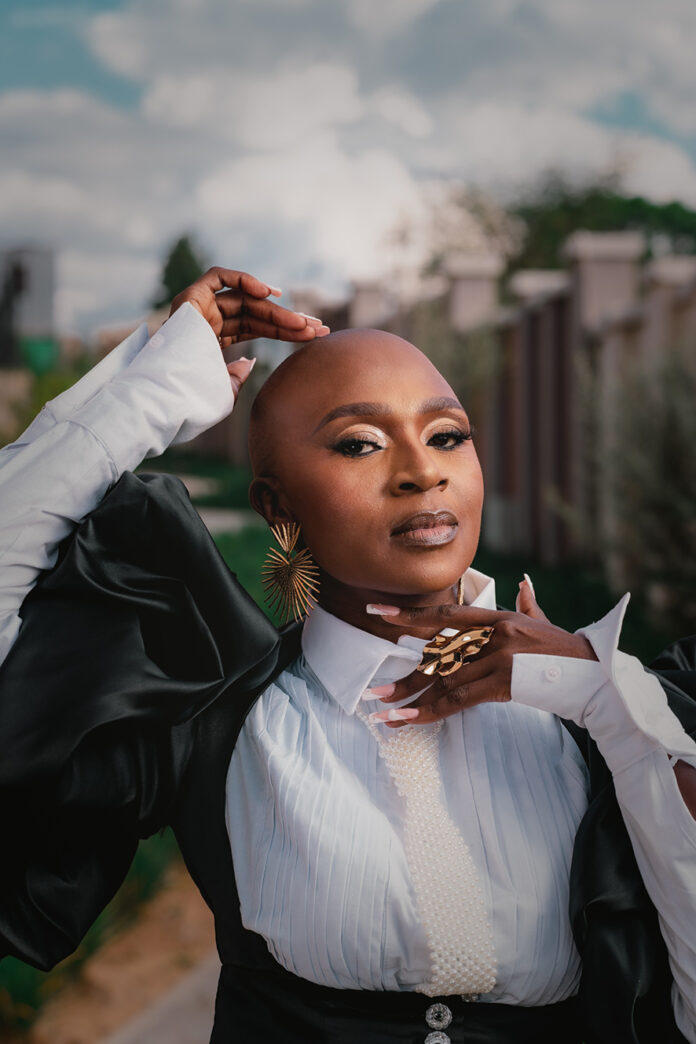
As South Africa marks Women’s Month, veteran actress and theatre practitioner Shoki Mmola is calling on established women creatives to do more than stand in the glow of their own successes. She wants them to pay it forward for the next generation of creatives and leave behind a legacy that will outlive them.
For Mmola, that legacy is mentorship – not as a once-off act of goodwill, but as a deliberate investment in the young women still trying to find their footing in an industry that can be dazzling, demanding and highly intimidating.
This weekend, Mmola will put that belief into practice when she leads an acting masterclass at the HerStory International Theatre Festival in Qwaqwa.
Speaking to Sunday World, she said the work of mentoring emerging performers goes far beyond teaching them how to command a stage or carry a scene. It is also about helping them build the resistance required to build lasting careers.
“We’re helping to shape emotionally resilient professionals who believe they belong in these spaces, who know they have something valuable to offer, and who can build careers with longevity,” she said.
Having spent more than three decades in the arts, Mmola understands how lonely the road can feel for young women who do not yet have access to guidance, contacts or safe professional spaces. She believes established artists have a responsibility to make the path less hidden for those coming behind them.
“The industry can sometimes feel overwhelming. That’s why it’s important to create spaces where young artists can ask questions, learn and connect with people who have already walked the journey. It’s not about gatekeeping knowledge; it’s about sharing it.”
Known for her roles in productions such as Skeem Saam, How to Ruin Love and, most recently, Bogaditsong: Sister Wives, Mmola said mentorship must also create room for emotional wellbeing. Young creatives, she said, must learn to protect the very instrument they use to tell stories: themselves.
“The creative industry demands so much emotionally. Confidence comes from knowing you deserve to be where you are.”
Mmola approaches mentorship with the warmth and steadiness of a mother or aunt. “My role is to be a consistent presence. When someone believes in you and pours into you, it gives you the courage to do things that your own mind might have convinced you were impossible.”
Still, she is clear that belief must be matched by discipline. She strongly believes that natural talent, no matter how striking, is only the beginning.
“Train, train and train again,” she said. “The arts demand far more than talent. They require emotional resilience, discipline and a deep understanding of yourself because your mind, body and emotions are all part of the instrument you use to perform.”
“Love what you do. Show up on time. Be prepared. Be willing to learn and accept constructive criticism,” she advised.
Mmola warned young artists not to lose sight of the sacred centre of the work.
“The industry is often driven by urgency, ego and celebrity. But at its core, this work is about storytelling. Whether you’re singing, acting, writing poetry or painting, you’re telling a story. If we focus on serving the story instead of chasing status, we’ll create better art.”
Preserving that legacy, she added, means widening the circle of mentorship beyond actors alone.
“We need to invest in producers, directors, writers, editors and everyone who contributes to bringing stories to life. When we nurture talent across every part of the industry, we build a stronger future for the arts.”
- Shoki Mmola, a veteran South African actress, urges established women creatives to mentor the next generation and leave a lasting legacy.
- Mmola will lead an acting masterclass at the HerStory International Theatre Festival in Qwaqwa, focusing on building emotional resilience and career longevity.
- She emphasizes that mentorship includes creating safe spaces for young artists to ask questions, learn, and connect without gatekeeping knowledge.
- Mmola highlights the importance of discipline, emotional wellbeing, and storytelling as central to a successful creative career.
- She advocates for expanding mentorship to include all roles in the arts industry, such as producers, directors, writers, and editors.


