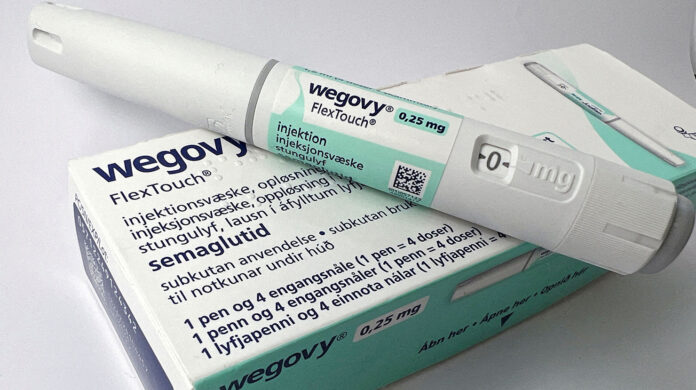
The conversation around weight loss and weight management is about to shift significantly with the introduction of a new pill. Inspired by the popularity of semaglutide injections in aiding weight loss, the new pill is likely to dominate the lifestyle and health space.
The use of GLP-1 receptor agonists for weight management has gained popularity across the world in the last decade, with endorsements from Hollywood A-listers to sports stars to ordinary people who have testified to their weight loss struggles.
In an era of instant gratification, losing weight has become increasingly associated with immediacy and quick results, from TikTok trends to celebrity transformations and endorsements.
People are no longer content with gradual lifestyle changes – many want the body of their dreams without the hard work. In South Africa, where demand for GLP-1 receptor agonists has been significant, there is likely to be interest in the new pill.
Developed by Danish healthcare firm Novo Nordisk, the Wegovy pill, a once-daily oral treatment, is already available in the United States. It is anticipated that other regulatory bodies around the world will follow suit of the US Food and Drug Administration (FDA) in approving its use. According to the company, the Wegovy pill is part of a holistic lifestyle management that includes a reduced-calorie diet and increased physical
activity.
Treatment safety
The Wegovy pill contains oral semaglutide 25mg and is the first oral GLP-1 receptor agonist approved for weight management. According to Novo Nordisk, the pill offers comparable results to the injectable Wegovy, just without the needle.
[ays_poll id=2]Clinical data from the company’s Oasis trial shows that participants who take the daily pill achieve an average 16.6% weight reduction, with one in three people losing 20% or more when treatment is followed as prescribed. Results from the medical trials also indicated that the safety and tolerability profile of the pill mirrored that of injectable semaglutide, which is already widely used.
In its approval of the Wegovy pill, the FDA also considered its preventative benefits to reduce the risk of major cardiovascular events, including heart attacks, strokes, and cardiovascular death in adults or overweight individuals with existing
heart disease.
For Novo Nordisk president and CEO Mike Doustdar, the pill represents a turning point. “The pill is here. With today’s approval of the Wegovy pill, patients now have a convenient, once-daily option that can help them lose as much weight as the original Wegovy injection,”
he said.
Pending International
Approval
While the Wegovy pill is currently only approved and available in the US, Novo Nordisk has submitted the product to the European Medicines Agency and other global regulators, a step that often signals a broader international rollout.
Locally, the company says it is closely following developments. Novo Nordisk South Africa spokesperson and public affairs director Thebeng Leping explained that the interest reflects changing consumer behaviour rather than a single health narrative.
“We are seeing growing interest globally in accessible, effective weight management solutions. We are sharing scientific developments around the Wegovy tablet while we evaluate the appropriate next steps for South Africa,” said Leping.
Whether the Wegovy pill ultimately becomes available in South Africa remains a regulatory question. The South African Health Products Regulatory Authority (SAHPRA) told Sunday World that it has not yet received an application from
Novo Nordisk for registration of the product.
“SAHPRA licenses new medicines through a rigorous, evidence-based process designed to ensure that all products available to the public meet regulatory requirements for safety, quality, and efficacy.
“Pharmaceutical companies must submit comprehensive scientific data covering a medicine’s quality, safety, and clinical effectiveness, which is independently evaluated by SAHPRA experts and specialist committees in line with the Medicines and Related Substances Act,” SAHPRA said.
The duration of the registration process varies depending on the type of medicine, the complexity of the application and the completeness and quality of the data submitted, with priority or fast-tracked pathways applied where justified by public health need.
[ays_poll id=3]