


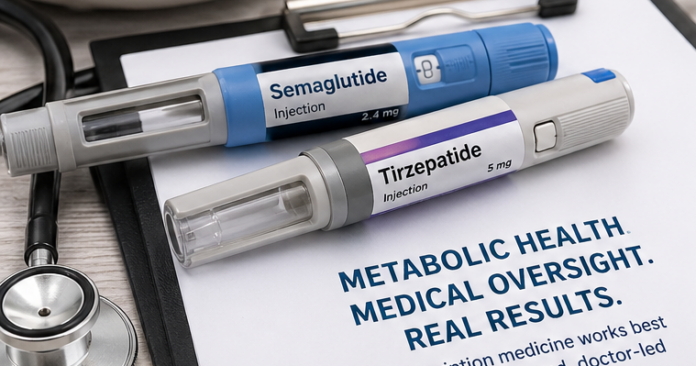
South Africans are chasing slimmer bodies at an unprecedented rate, but the country’s growing reliance on weight-loss medication is raising serious questions about safety, discipline and long-term health.
With one in two adults classified as overweight, the demand for prescription-based metabolic treatments has surged. What was once a clinical intervention for high-risk patients is quickly becoming mainstream. The problem? The systems meant to guide and monitor this kind of treatment haven’t kept up.
According to sports and lifestyle physician Dr Gerhard Vosloo, the gap between demand and proper medical oversight is where the real danger lies.
“People are expecting fast results without fully understanding what responsible treatment looks like,” he explains. “This is not something you rush into or manage casually.”
The popularity of weight-loss drugs has been fuelled by social media hype and word-of-mouth success stories. But that visibility is creating a misleading narrative, one where medication is seen as an easy shortcut rather than a last resort.
“These medicines are powerful, but they are not a first step. They should only come into play after nutrition, exercise and lifestyle interventions have been properly explored.”
Skipping the basics
In other words, if you’re skipping the basics and going straight to medication, you’re doing it wrong.
One of the more uncomfortable truths emerging from this trend is that not everyone who wants these drugs should get them.
Vosloo is clear: medical eligibility must come before convenience.
“A patient’s ability to pay or desire to lose weight quickly cannot override clinical judgement,” he says. “If there’s no medical need, the responsible decision is not to prescribe.”
That stance cuts directly against a growing culture where some patients shop around for doctors willing to say yes.
Even among those who legitimately qualify, how these drugs are used matters just as much as whether they’re prescribed.
Aggressive dosing, often driven by the desire for rapid weight loss, can backfire. Instead of just shedding fat, the body may start breaking down muscle, especially when nutrition isn’t carefully managed.
“It’s easier for the body to lose muscle than fat,” Vosloo explains. “And once you lose muscle, you’re compromising your long-term metabolic health.”
Lower doses over a longer period, combined with proper nutrition and exercise, are not only safer but far more sustainable.
The real goal of these treatments isn’t just weight loss, it’s improving overall metabolic health, reducing disease risk and creating lasting change.
But that requires structure, patience and proper medical supervision, three things that are often missing in the current boom.
South Africa’s obesity crisis is real, and these medications can be life-changing for the right patients. But used recklessly, they risk becoming just another health problem disguised as a solution.
- South Africa is seeing a sharp rise in the use of weight-loss medications amid a high obesity rate, but medical oversight is lagging behind this demand.
- Experts warn these drugs are being misused as quick fixes instead of last-resort treatments following proper nutrition and lifestyle changes.
- Medical eligibility must be prioritized over patient demand or ability to pay, as improper prescription and aggressive dosing can harm long-term metabolic health.
- Losing muscle mass due to improper use of weight-loss drugs is a significant risk that undermines sustainable health improvements.
- Responsible use of these medications, combined with structured nutrition, exercise, and patience, is essential for improving metabolic health and reducing disease risk.


