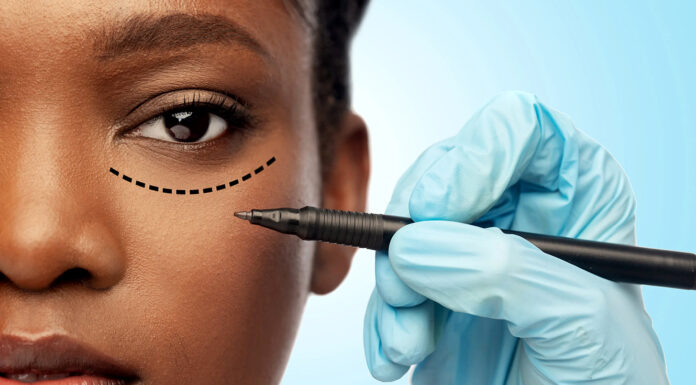
As South Africans step into January with renewed intentions for self-improvement, cosmetic surgery has become an increasingly accepted part of the country’s wellness landscape.
Alongside gym memberships and healthier eating habits, more people are turning to surgical and non-surgical aesthetic procedures as a way to feel aligned with their goals for the year ahead.
Social media mirrors this shift. Timelines are filled with dramatic before-and-after images showcasing sculpted bodies, snatched waistlines and youthful faces. But behind these polished transformations lie a reality that is only now receiving attention: the swelling, bruising, emotional uncertainty and, most notably, the long and often misunderstood journey of scar healing.
Over the past five years, South Africa has seen a steady rise in cosmetic procedures. According to the International Society of Aesthetic Plastic Surgery, the country ranks among the top 25 globally for surgical cosmetic procedures.
Breast surgery, liposuction, tummy tucks and facial rejuvenation remain popular, while non-surgical treatments continue to grow rapidly. This reflects not only greater access to cosmetic enhancements, but also a cultural shift toward openness about surgery and recovery.
However, while surgery may take only a few hours, the real transformation happens over time. Renowned plastic surgeon, Professor Chrysis Sofianos, cautions against viewing cosmetic surgery as a quick fix.
“People often expect the confidence boost to be immediate, but the early stages of recovery are emotionally demanding. Scars take time, and how they are cared for in those first few months can shape how they look in years to come.”
He adds that procedures such as tummy tucks, while transformative, come with permanent reminders. “Patients must understand that it comes with a scar that can stretch up to 50cm from hip to hip. It fades, but it never fully disappears.”
While cosmetic surgery is generally considered safe, complications remain a reality.
Research published through the National Institutes of Health shows that between 32% and 72% of surgical wounds may develop hypertrophic scarring.
People with darker skin tones, including many South Africans, face a higher risk of hypertrophic or keloid scarring due to genetic predisposition.
Scars also carry emotional weight. Swelling, bruising and changes in skin texture or colour may trigger anxiety, frustration or self-doubt.
“Patients who cope best are those who receive calm, honest guidance throughout recovery.”
According to Sofianos, long-term satisfaction depends on emotional readiness as much as surgical skill. “You have to be prepared for the healing process and accept that the scar becomes part of the journey.”
Certain warning signs may indicate problematic scarring, including rapid thickening, raised or painful tissue extending beyond the incision, persistent redness or signs of infection.
Early medical intervention allows for treatments such as silicone therapy, corticosteroid injections or laser treatments to minimise long-term impact.
Ultimately, cosmetic surgery is not an instant reveal but a gradual process.
“Confidence after surgery is a journey, not a flash moment. Patients who prepare for recovery and commit to aftercare achieve better results and greater peace of mind.”
Visit SW YouTube Channel for our video content
- As South Africans step into January with renewed intentions for self-improvement, cosmetic surgery has become an increasingly accepted part of the country’s wellness landscape.
- Alongside gym memberships and healthier eating habits, more people are turning to surgical and non-surgical aesthetic procedures as a way to feel aligned with their goals for the year ahead.
- Social media mirrors this shift.
- Timelines are filled with dramatic before-and-after images showcasing sculpted bodies, snatched waistlines and youthful faces.
- But behind these polished transformations lie a reality that is only now receiving attention: the swelling, bruising, emotional uncertainty and, most notably, the long and often misunderstood journey of scar healing.