
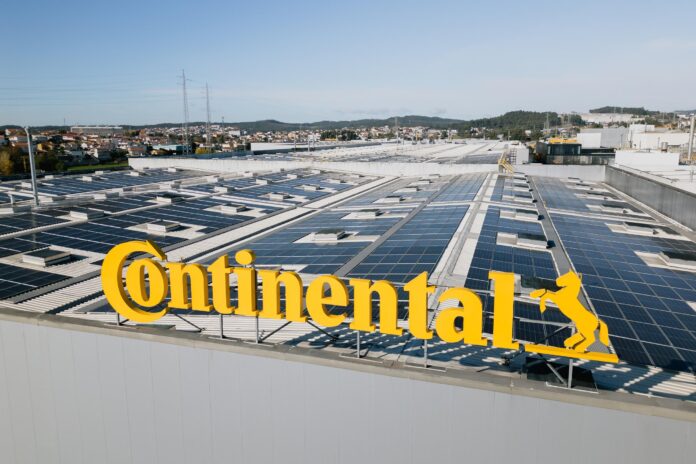
Global tyre manufacturer Continental has officially phased out coal and heavy fuel oil across all its tyre production plants worldwide, marking a major sustainability milestone—including a significant shift at its plant in Gqeberha, Eastern Cape.
Since January 2026, all 19 Continental tyre manufacturing facilities have transitioned to alternative energy sources to generate steam for production processes such as vulcanisation, the heat-intensive stage that gives rubber its strength and elasticity.
The German company now relies on biomass, biogas, renewable electricity and alternative fuels, such as liquefied petroleum gas (LPG) and natural gas.
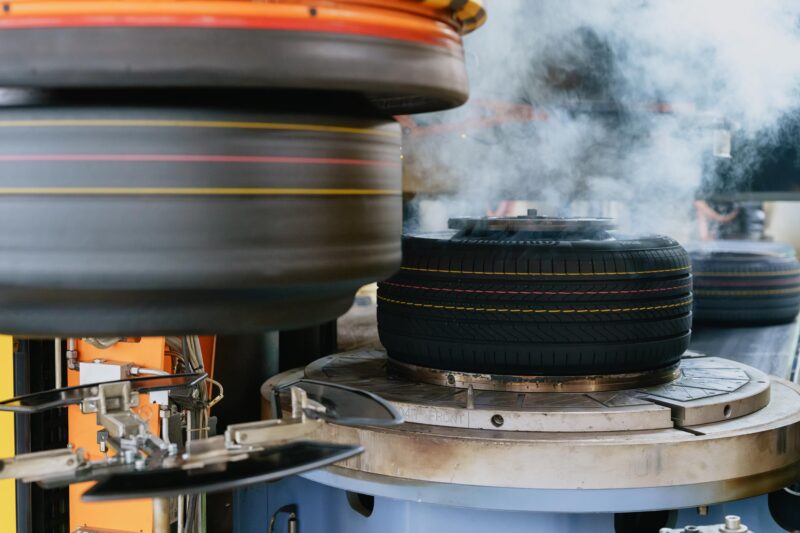
For South Africa, the move is particularly notable. The Gqeberha plant—one of the country’s key tyre manufacturing facilities—historically relied on coal for steam generation.
It has now switched to biomass as its primary energy source, with LPG used to cover remaining demand.
“For us, coal and heavy fuel oil are a thing of the past. The future increasingly lies in renewable energies,” said Dr Bernhard Trilken, the head of manufacturing and logistics at Continental Tyres.
He added that diversifying energy sources strengthens manufacturing resilience and reduces dependence on fossil fuels.
Until the early 2020s, seven of Continental’s global tyre plants relied on coal and heavy oil to maintain stable steam output, particularly in regions with limited gas or electricity infrastructure.
The transition required systematic, long-term investment in electrification and alternative heat-generation technologies.
Greenhouse gas intensity in production reduced
The environmental impact has been significant. Continental reports that it reduced greenhouse gas intensity in production by more than 10% in 2025 compared to the previous year and by around 70% compared to 2019 levels.
Over the past four years alone, the company says it has cut approximately 180 000 metric tons of CO₂ from tyre production.
Henning Mühlenstedt, the head of future technologies and sustainable infrastructure at Continental Tyres, said ongoing investments in electrification and lower-emission heat generation were central to achieving these reductions.
Globally, energy mixes vary according to regional infrastructure and resources.
In Sri Lanka, Continental’s Kalutara plant now generates all its steam from renewable biomass, while in the Czech Republic, the Otrokovice facility works with a local supplier that has shifted from coal to biomass and natural gas—a move that also benefits surrounding communities through cleaner district heating.
Continental’s sustainability progress has also received external recognition. The independent environmental organisation CDP awarded the company an A- rating in 2025 for climate transparency and CO₂ reduction efforts.
For South Africa’s manufacturing sector, the Gqeberha transition signals that even energy-intensive industries can begin moving away from coal—one plant at a time.


