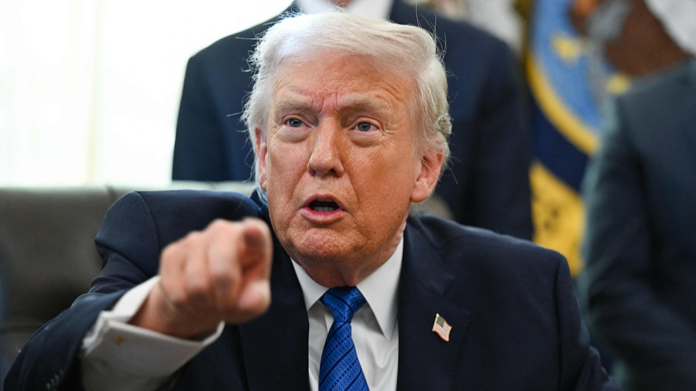
One year after US Vice President JD Vance attacked European allies at the Munich Security Conference (MSC), Washington’s partners will be seeking to chart a more independent course, while preserving the basis of the alliance.
A year ago in Munich, Vance openly chastised European governments for what he called democratic “backsliding”, adding that Europe’s biggest challenge was not external threats, but internal democratic erosion. He accused Europe of straying from “fundamental values” shared with the US, voicing concerns over electoral policies, civil rights and freedom of speech on the continent.
Rising anxiety across Europe
Vance’s speech triggered a year of unprecedented transatlantic confrontation. With the US seemingly set on dismantling much of the international order it helped to build.
This year’s meeting comes at a time of rising anxiety across Europe. The US under President Donald Trump is seeking to shift the bulk of the burden of defending the continent onto European NATO members.
Starting on Friday, the three-day annual conference, which pledges to offer “an unparalleled platform for high-level debates on the key foreign and security policy challenges,” is gathering more than 60 heads of state and government, as well as over 150 ministers from around the world.
Over the past year, the US has toppled Venezuela’s leader. It has threatened Latin American countries with similar military action. Imposed tariffs on friends and foes alike and talked openly about taking over Greenland, even by force. A move that could effectively end the NATO alliance.
For Europe, analysts say the choice is stark: Accommodating Washington may preserve short-term transatlantic harmony, but would reward coercion. Resisting it would be politically costly and strategically demanding. It will require an unusual degree of European unity. Failing to do either risks further encroachment and deeper divisions within Europe.
US seen as abdicating historic role
Meanwhile, Trump has consistently criticised what he perceives as inadequate defence spending in certain NATO countries. He urged allies to raise their contributions to 5% of their GDP, more than double the current target.
Achieving the target will be challenging for many of NATO’s 32 member countries. Poland leads the alliance in defence spending as a share of GDP at just over 4%. While eight other nations have yet to reach NATO’s 2% target.
This year’s Munich Security Report, titled “Multipolarisation”, said that the US “may be abdicating its historic role as Europe’s security guarantor – with significant consequences for Ukraine”.
US forces may step back from the NATO supply chain supporting Ukraine. Even as the conflict with Russia grinds on, and urge European allies to shoulder more of the cost.
Europe’s growing concerns are compounded by actions already taken by the new US administration. This includes the imposition of tariffs on steel and aluminium imports. And these are measures for which the EU “sees no justification” and which “will not go unanswered”, noted a European official.
“Europe must use the potential for transatlantic tensions to get its act together. And it must start working on necessary internal market reforms. It must boost European innovation and competitiveness,” Peterson Institute for International Economics commented in an opinion piece.