
South Africa’s new vehicle market has kicked off 2026 on a positive note, with industry body Naamsa – the automotive business council – reporting sustained growth that confirms the momentum built during 2025 has carried decisively into the new year.
According to Naamsa, aggregate domestic new vehicle sales reached 50 073 units in January 2026, representing an increase of 3 479 vehicles (7.5%), compared to the 46,594 units sold in January 2025.
Vehicle exports also recorded a modest improvement, rising to 24 568 units – up 136 vehicles (0.6%) year on year.
Naamsa said the strong January performance reflects more than a base effect and points to a material improvement in underlying demand conditions.
These include moderating inflation, relatively stable macroeconomic indicators and a resilient consumer base.
Of the total vehicles sold domestically in January, dealer sales accounted for approximately 42 753 units (85.4%). Sales to the vehicle rental industry represented 10.9%, while corporate fleets accounted for 2.1% and government purchases made up the remaining 1.6%.
The passenger car segment remained the backbone of the market. New passenger vehicle sales totalled 37 190 units in January, an increase of 2 480 vehicles (7.1%), compared to the same month last year.
Car rental companies accounted for 13.3% of passenger vehicle sales during the period.
Light commercial vehicles (LCVs), which include bakkies and minibuses, recorded a strong performance.
Domestic LCV sales rose by 11% to 10 996 units, compared to 9 903 units sold in January 2025.
Naamsa noted that LCV demand continues to mirror broader conditions in the goods-producing sectors of the economy, which remain under pressure but are showing early signs of stabilisation.
In contrast, the medium and heavy commercial vehicle segments recorded weaker results.
Medium commercial vehicle sales declined by 5.9% to 542 units, while heavy trucks and buses fell by 4.3% to 1,345 units.
Fleet replacement decisions, Naamsa said, remain closely linked to infrastructure investment levels, logistics performance, electricity costs and overall business confidence.
Vehicle exports, while slightly improved, face growing global headwinds.
Deepening trade alliances flagged
Naamsa cautioned that rising protectionism in key export markets, combined with evolving industrial policies in advanced economies, is placing increasing pressure on South Africa’s export competitiveness.
The industry body also flagged deepening trade and industrial alliances between Western and Eastern economies as a potential risk to South Africa’s market access and long-term export volumes.
On the macroeconomic front, naamsa highlighted that improved inflation and monetary conditions continue to support the vehicle market.
Headline inflation remains well anchored within the South African Reserve Bank target range, while long-term inflation expectations are at multi-year lows.
Although the monetary policy committee kept the repo rate unchanged at 6.75% in January, market expectations of interest rate cuts later in 2026 are supporting affordability and buyer sentiment.
The stronger rand, trading at multi-year best levels against the US dollar, has also helped reduce imported inflation pressures, contributing to more moderate vehicle price increases.
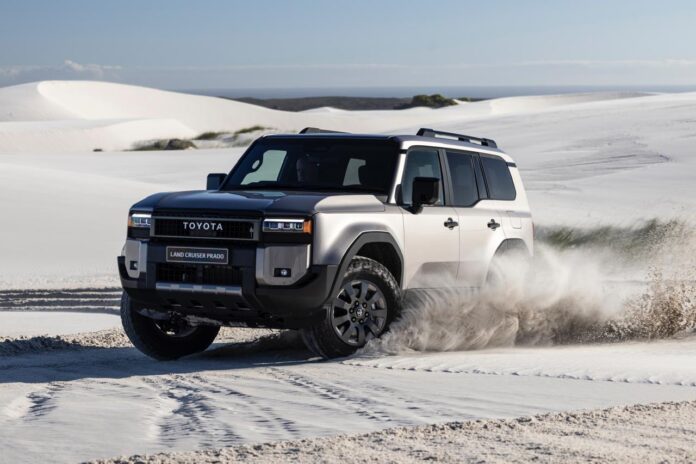
Toyota led the passenger vehicle market in January with 11 786 units sold and 5 500 vehicles exported.
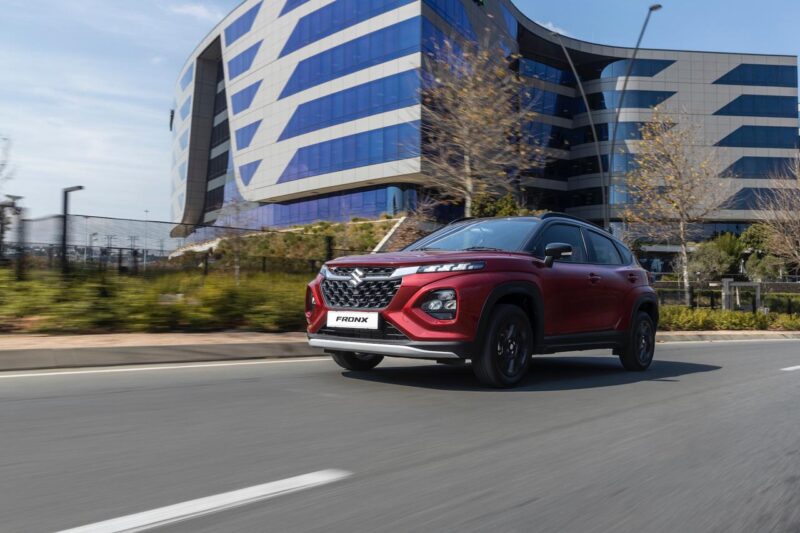
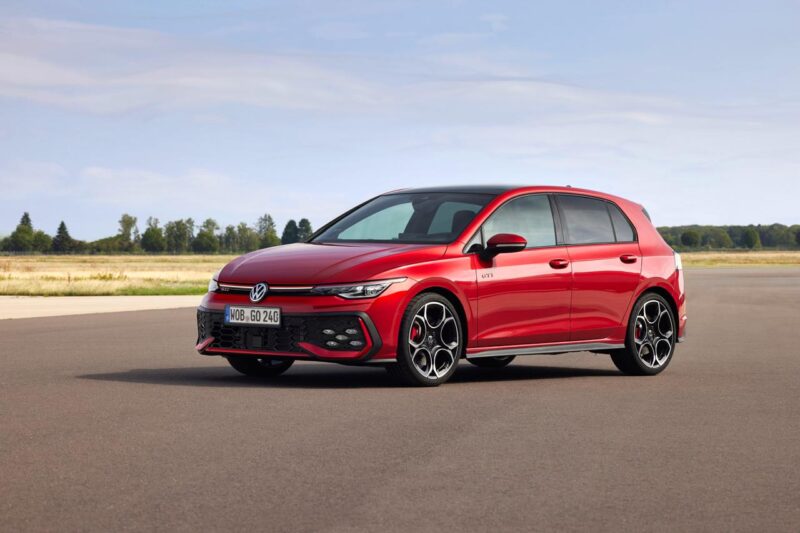
Suzuki followed in second place with 6 410 units sold, while Volkswagen ranked third with 4 774 units sold and 7 941 vehicles exported. Hyundai placed fourth with 3 048 units sold, followed by Ford with 2 678 units sold.
Chinese brands continued to gain traction, with GWM selling 2 521 units and Chery recording 2 258 units.
Kia, Mahindra and Isuzu completed the top 10 charts with 1 888, 1 671, and 1606 vehicles sold, respectively.
Looking ahead, Naamsa stressed that the finalisation of South Africa’s automotive policy review remains critical to sustaining long-term growth, investment, and competitiveness in an increasingly complex global automotive environment.


