
The ANC has admitted that Black Economic Empowerment (BEE) has not delivered broad and meaningful change, marking it as a central concern in the party’s renewed push to rebuild itself after losing its majority in last year’s general elections.
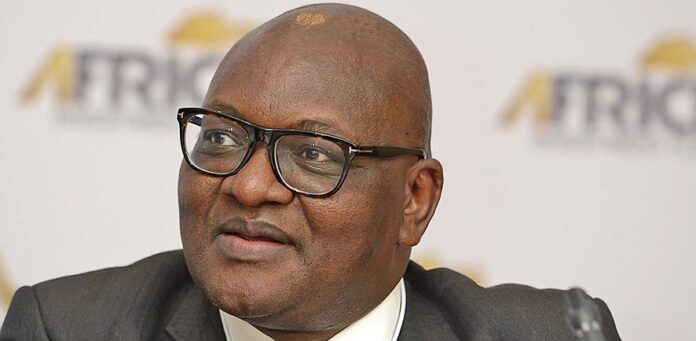
Speaking during the ANC National General Council (NGC) in Boksburg, National Executive Committee (NEC) member David Makhura said the party’s assessment showed that, despite years of effort, BEE progress remained narrow and insufficient to shift the structure of the economy.
BEE faces challenges such as companies failing to comply, limited funding for black-owned businesses, corruption, and political interference, among others.
The NGC has flagged the economy as the biggest area of underperformance. He added that while major programmes had been introduced to support economic empowerment, these had not been enough to transform the country’s economic landscape.
Economy in decline
“Our economy has been in significant decline. Sluggish growth and unemployment has actually become explosive, especially for young people. More than two-thirds of young people are unemployed. A huge section of our people is also unemployed,” he said.
Makhura emphasised that the NGC’s renewal agenda requires the ANC to confront its failures honestly. Particularly where transformation efforts have fallen short.
Interventions missing targets
He noted that the party acknowledged some progress in economic transformation. But he added that this progress remained too small to make a meaningful difference. There had been significant interventions in economic transformations and empowerment, but it remains a miniscope, he said.
Makhura said the NGC found that economic inclusion for black people, women and the youth had advanced only in pockets. This left the majority still locked out of real opportunities.
“We also say with the economy, the different growth is one area of the problem. But the other problem is the structure of the economy. We say the political economy of South Africa remains essentially the same. That black people, women, and young people in large sections remain outside the mainstream of the economy,” said Makhura.