
The wall-to-wall coverage of the Madlanga commission and the parliamentary ad hoc committee hearings into the allegations of entanglement of elements in the criminal justice system with the criminal underworld has dwarfed other developments in the country.
This is perfectly understandable considering the shocking revelations coming out of the two probes.
Even if just a fraction of these allegations are confirmed, the country is in deep trouble.
The calibre and character of people dancing around with ministers and senior police officers is alarming, to say the least.
Therefore, our population is fully justified in giving these proceedings their serious attention.
However, quietly, our youngsters have finished writing the final matric exams.
Without fail, just like the previous years, a lot of them will be running helter-skelter in the new year looking for opportunities to advance their education at our 26 universities and 50 technical vocational education and training colleges.
Many of them would be disappointed and forced to stay home or prematurely enter the job market because there is insufficient capacity to absorb all the deserving students in our higher education sector.
Also without much fanfare, the Department of Higher Education and Training announced a new policy to recognise private universities.
They will be in three categories: universities, higher education colleges, and university colleges.
Their recognition and registration will be based on their academic quality, governance and standards set by the Council on Higher Education and the South African Qualification Authority.
In view of the limited spaces available at our institutions of higher learning, many would welcome this development with joy. It would augment the capacity of the sector and provide more opportunities for our young to pursue tertiary education.
Indeed, it might. But it would be a double-edged sword with serious consequences for nation-building and societal cohesion.
Let me declare that I am a big proponent of public education.
With that out of the way, let’s return to the matter at hand.
Universities are not just institutions imparting technical knowledge and skills, but they are also furnaces to forge character and shape a world view.
Among other things, this is a factor of the interactions of students from different backgrounds, cultures, religions and even economic standings.
South African universities provide such an environment where students from all walks of life, religions, and races study, debate, play sport, celebrate and interact with one another in many other ways.
In this way, they come to understand one another better and the society in which they live.
After the completion of their studies, these young people would go on to play important roles in the life of the country.
They will, in the world of work, meet all sectors of society and make decisions that affect that environment.
All would probably agree that you make better decisions for a country and its citizens if you understand the people you make those decisions for.
Only the well-to-do families would be able to enrol their children at these private universities, which might leave public universities for the children of the poor, paid for by NSFAS, and the so-called missing middle.
The higher education sector benefits from fee-paying students, and the enrolment of children of the rich often brings sponsorships and associations with big business. Public universities might lose out.
This development is likely to exacerbate alienation and inequality in our society.
The family, race, and place you are born into might define your life trajectory forever.
The mutual knowledge brought about by interactions in the higher education space would be lost.
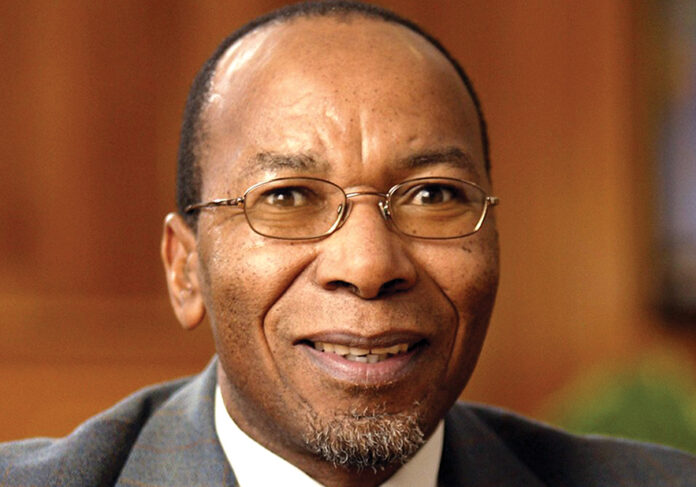
- Mangena is a former cabinet minister, an academic and a former Azapo president
- The wall-to-wall coverage of the Madlanga commission and the parliamentary ad hoc committee hearings into the allegations of entanglement of elements in the criminal justice system with the criminal underworld has dwarfed other developments in the country.
- This is perfectly understandable considering the shocking revelations coming out of the two probes.
- Even if just a fraction of these allegations are confirmed, the country is in deep trouble.
- The calibre and character of people dancing around with ministers and senior police officers is alarming, to say the least.
- Therefore, our population is fully justified in giving these proceedings their serious attention.