


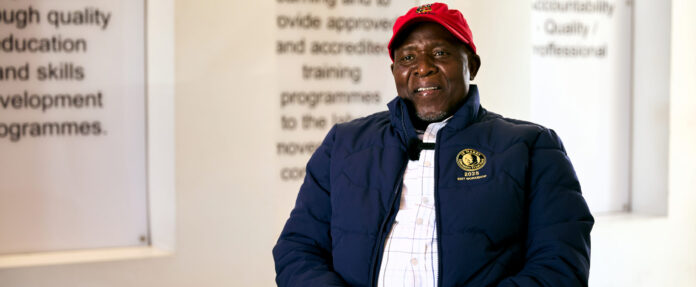
When I first entered the mines in 1995, what struck me most was not only the danger underground, but the silence of those who could not speak the languages of power. Many of my colleagues, recruited through The Employment Bureau of Africa (TEBA) could neither read nor write. They lived in darkness twice. Once underground, and once in their inability to read the world around them.
This illiteracy was not harmless. Workers lost jobs because they could not follow “lawful instructions.” They were injured because they could not read safety signs. Families back home never received word when a loved one died underground, because too often the system simply buried men near the compounds in what we called a “stick site.” These were not isolated stories; they were the daily reality of mineworkers.
That is why education has always been at the heart of NUM’s mission. Through Adult Basic Education and Training (ABET), we opened classrooms in the very compounds that once silenced our people. For the first time, workers could write their names, read their bank statements, and defend themselves in hearings. I will never forget the pride of seeing a man who once signed with a thumbprint stand tall after learning to write his signature.
For NUM, education was not charity. It was liberation. Many of our leaders passed through ABET classrooms before stepping into positions of influence. One branch chairperson, once illiterate, became an ABET facilitator, teaching others. A NUM president who had never finished school completed his matric through these programmes and rose to lead the union in 2017, later representing South Africa’s workers on the global stage.
This is the hidden history of our labour movement. We did not only fight for jobs and wages, we fought for words. None of this could have lasted without the foresight of the Mineworkers Investment Trust (MIT) and its commercial arm, the Mineworkers Investment Company (MIC). When donor funding for unions dried up in the early 1990s, mineworker leaders borrowed R3 million and planted a seed that would grow into billions in assets today. Their vision was clear. Invest professionally, separate politics from business, and channel the returns into education and development.
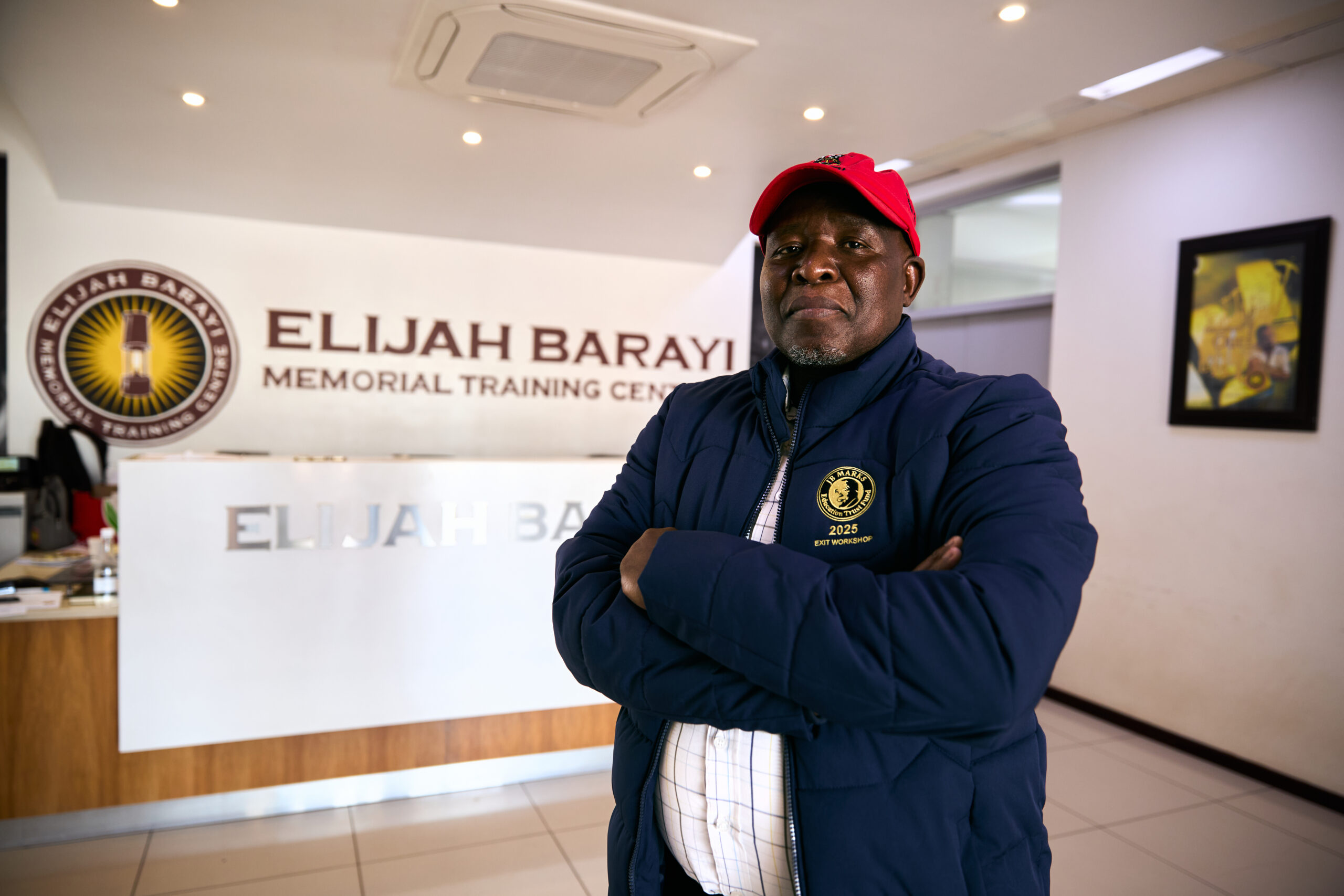
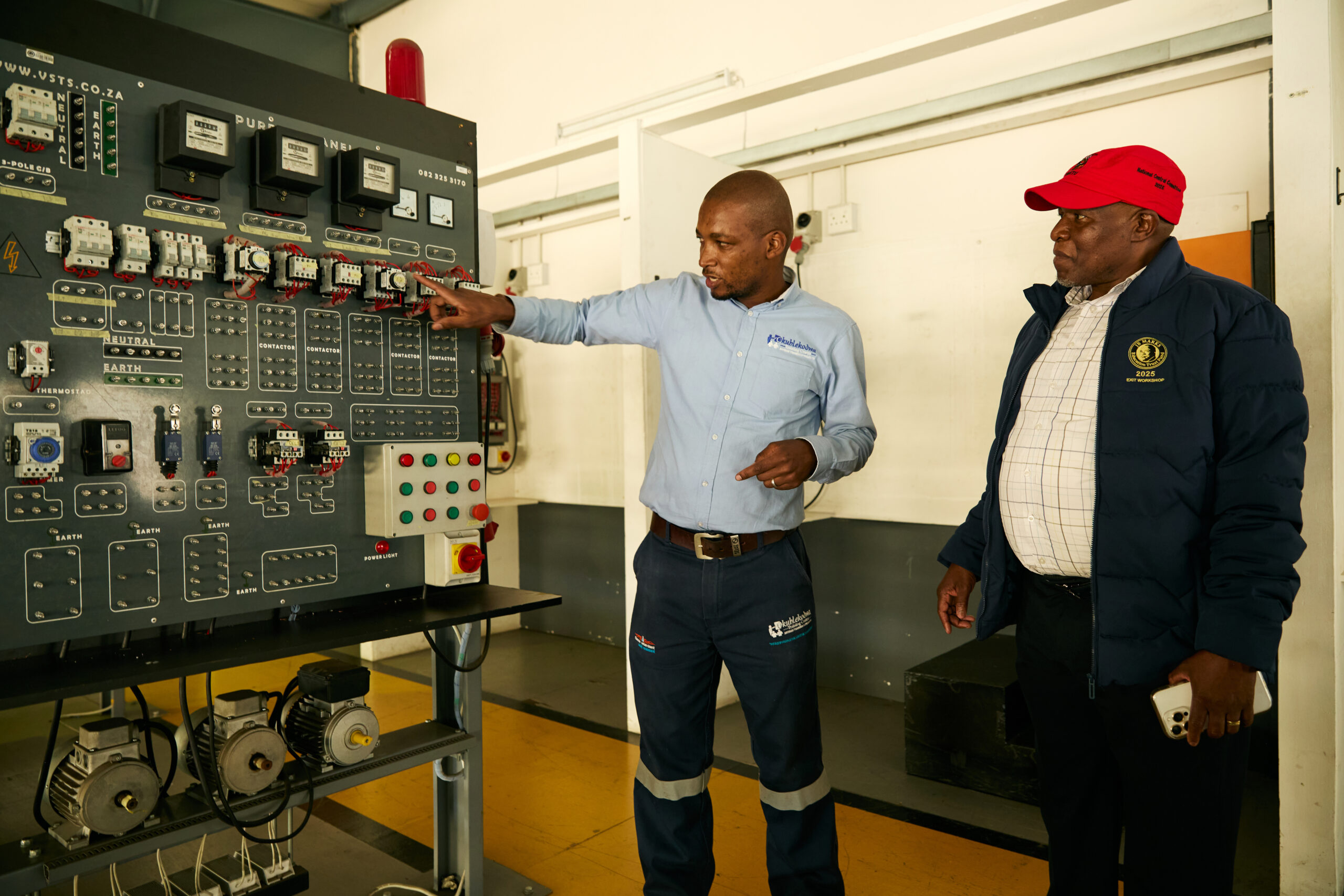
Three decades later, that vision still sustains us. Through MIT, NUM’s college continues to train shop stewards and members in 11 regions. Our Artisan Academy, launched five years ago, equips young people with skills in electrical work, plumbing, and boilermaking. Skills they can use both in the workplace and in their own small businesses. These are investments not just in individuals, but in the future of South Africa’s economy.
My own life is a testament to what education within the union makes possible. From a branch secretary, I rose through the ranks to regional treasurer, regional deputy secretary for health and safety, and now National Education Secretary. Each step was built not on privilege but on learning, serving, and delivering for members.
Education transforms. It turns a general worker into a manager, a mineworker into a community leader, and a once voiceless man into a national figure. This is why I remain passionate about sustaining NUM’s college and expanding our partnerships with universities across South Africa.
Some may ask, why does worker education still matter today? My answer is simple. Because without it, poverty and exploitation repeat themselves. Because a country where workers cannot read cannot claim to be free. Because education changes families for generations.
In an era of unemployment, rising inequality, and digital disruption, education is not a luxury. It is the only real path to dignity. It remains, as the old saying goes, the key to life. As South Africa celebrates 30 years of democracy, and as MIT marks its 30th anniversary, we must remember that institutions survive only when their integrity is protected. MIT’s strength has been its incorruptibility, its insistence on professional governance, and its unwavering focus on workers and their families.
My message to mineworkers’ children is this. Do not suffer in silence. Take the opportunities MIT and NUM have created. Walk into classrooms, even if you are afraid. Your parent risked their life underground for your chance above ground.
My message to South Africa is this. Support worker education. It is not just about mineworkers. It is about building a country where no one is silenced by illiteracy, and where dignity is not a privilege but a right.


