


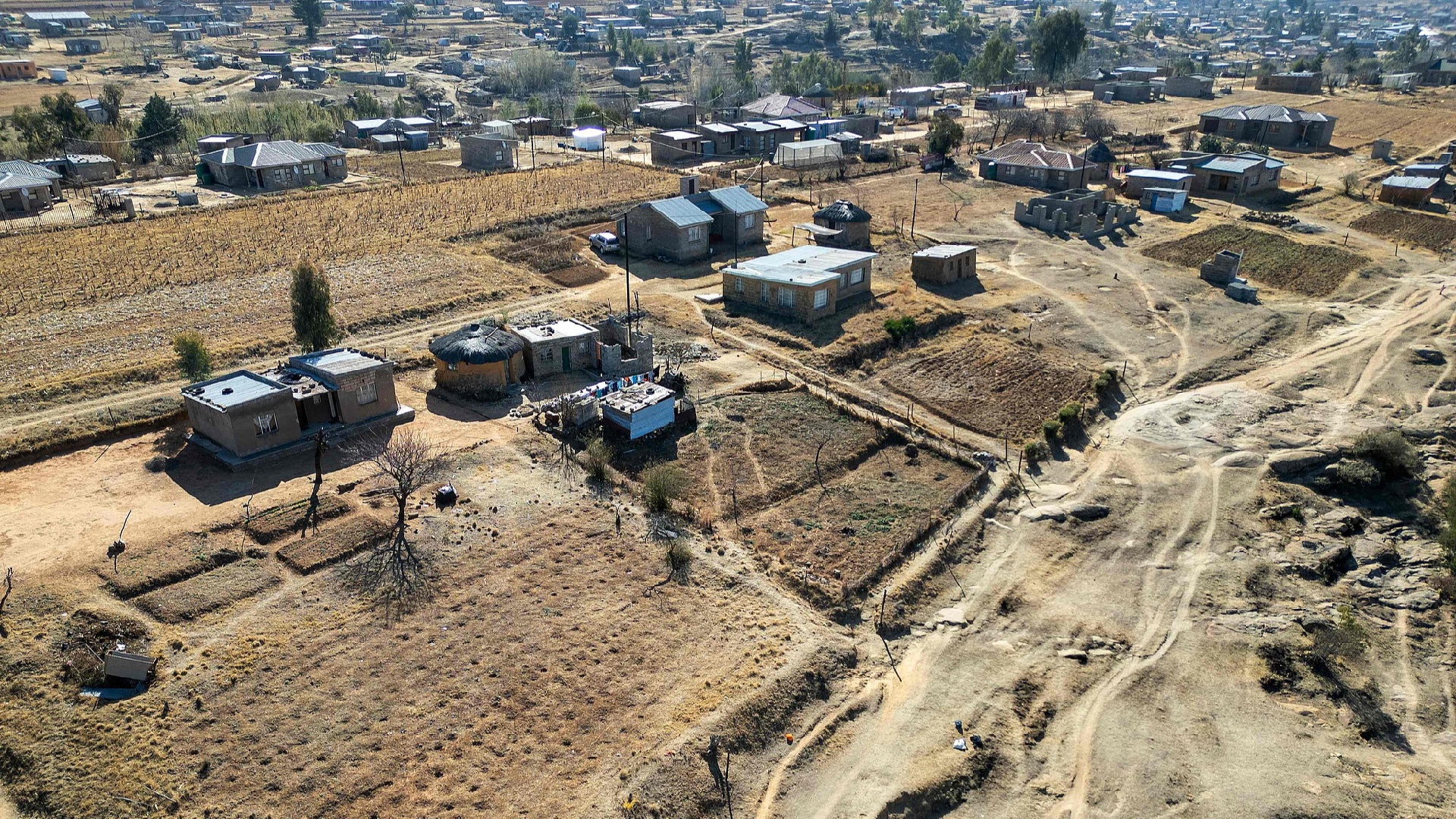
Lesotho is preparing for a hotter, drier summer, with the government securing drought-resistant seeds and urging farmers to stock up on animal feed and water.
Agriculture Minister Selibe Mochoboroane said recent rains had provided enough moisture to sustain crops into December, but warned farmers to prepare for worsening conditions.
“We ensured that we procured drought-tolerant seeds, which, if properly used, should still produce a harvest,” he said.
<img src=’https://newsaf.cgtn.com/news/2026-09-25/Lesotho-prepares-for-worsening-heat-and-drought-linked-to-El-Ni-o-1QJ5yVdYJqM/img/d272d998eda64a3d89816b03ed4743b6/d272d998eda64a3d89816b03ed4743b6.jpeg’ alt=’
Farmers have also been advised to grow lucerne for livestock feed and collect water before grazing lands dry up.
The Southern Africa Regional Climate Outlook Forum forecast a higher likelihood of below-normal rainfall and above-average temperatures in Lesotho between October and December.
The country has experienced severe drought linked to El Niño before. In July 2024, the government declared a national food insecurity disaster after drought caused the country’s lowest crop yields since 2018/19. The United Nations estimated that about 700,000 people could face hunger in the following months.
Lesotho’s reliance on food imports from neighbouring South Africa also leaves it vulnerable to poor harvests across the region.
According to Disaster Management Authority Chief Executive Reatile Elias, limited funding could hamper the country’s response, particularly for vulnerable groups such as older people and people living with disabilities.
The Climate Impact Lab estimates that heat associated with El Niño could result in 43 additional deaths in Lesotho between September 2026 and February 2027. The estimate covers heat-related deaths only and does not include potential deaths linked to drought or food shortages.
Lesotho meteorological officials have also warned of increased health risks, including waterborne diseases.
- Lesotho's government has procured drought-resistant seeds to prepare for a hotter and drier summer and is urging farmers to stock up on animal feed and water.
- Recent rains have provided enough moisture to sustain crops into December, but worsening conditions are expected due to higher likelihood of below-normal rainfall and above-average temperatures from October to December.
- Lesotho declared a national food insecurity disaster in July 2024 after the worst drought since 2018/19 led to the country's lowest crop yields and put 700,000 people at risk of hunger.
- The country’s food security is vulnerable due to its dependence on imports from South Africa and limited funding may restrict aid for vulnerable populations such as the elderly and disabled.
- The Climate Impact Lab estimates 43 additional heat-related deaths could occur between September 2026 and February 2027, with increased health risks including waterborne diseases also anticipated.
Lesotho is preparing for a hotter, drier summer, with the government securing drought-resistant seeds and urging farmers to stock up on animal feed and water.
Agriculture Minister Selibe Mochoboroane said recent rains had provided enough moisture to sustain crops into December, but warned farmers to prepare for worsening conditions.
“We ensured that we procured drought-tolerant seeds, which, if properly used, should still produce a harvest,” he said.
<img src='https://newsaf.cgtn.com/news/2026-09-25/Lesotho-prepares-for-worsening-heat-and-drought-linked-to-El-Ni-o-1QJ5yVdYJqM/img/d272d998eda64a3d89816b03ed4743b6/d272d998eda64a3d89816b03ed4743b6.jpeg' alt='
Farmers have also been advised to grow lucerne for livestock feed and collect water before grazing lands dry up.
The Southern Africa Regional Climate Outlook Forum forecast a higher likelihood of below-normal rainfall and above-average temperatures in Lesotho between October and December.
The country has experienced severe drought linked to El Niño before. In July 2024, the government declared a national food insecurity disaster after drought caused the country's lowest crop yields since 2018/19. The United Nations estimated that about 700,000 people could face hunger in the following months.
Lesotho's reliance on food imports from neighbouring South Africa also leaves it vulnerable to poor harvests across the region.
According to Disaster Management Authority Chief Executive Reatile Elias, limited funding could hamper the country's response, particularly for vulnerable groups such as older people and people living with disabilities.
The Climate Impact Lab estimates that heat associated with El Niño could result in 43 additional deaths in Lesotho between September 2026 and February 2027. The estimate covers heat-related deaths only and does not include potential deaths linked to drought or food shortages.
Lesotho meteorological officials have also warned of increased health risks, including waterborne diseases.


