


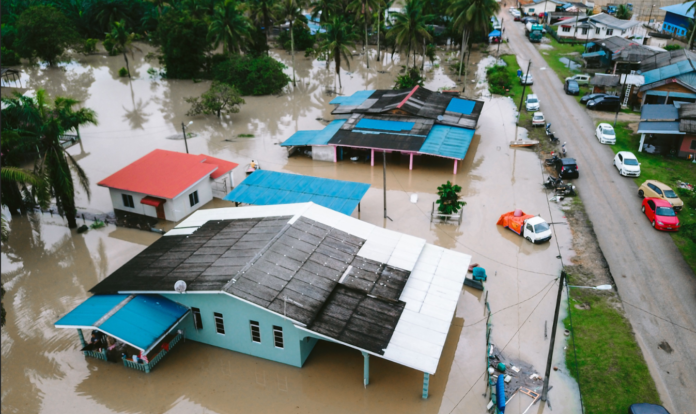
Uganda’s weather department on Tuesday urged the public and relevant authorities to prepare for a possible El Niño event later this year that could trigger floods, landslides and widespread disruption to livelihoods.
In a weather advisory, the Department of Meteorological Services said there is an increased likelihood of an El Niño event developing in the second half of 2026 and persisting into 2027.
“While the exact magnitude and impacts of the anticipated El Niño event are still being assessed, preliminary climate outlooks suggest a high probability of above-normal rainfall episodes in several parts of the country during the upcoming rainfall season of September to December,” the agency said in a statement.
Flood-prone lowlands particularly vulnerable
It warned that flood-prone lowlands, urban areas with inadequate drainage systems, river catchments, wetlands and mountainous regions are particularly vulnerable.
The department said it would continue working closely with regional and international climate centres to provide timely forecasts, advisories and early warning information to support preparedness and informed decision-making.
It urged precautionary measures, including strengthening disaster response plans, clearing drainage channels and floodways, and avoiding settlement and cultivation in flood- and landslide-prone areas.
Last week, the African Union Commission called on its member states to step up preparedness for the expected 2026/2027 El Nino event, warning that it could trigger droughts, floods, food insecurity and economic losses across the continent.
- Uganda's weather department warns of a likely El Niño event developing in late 2026 and continuing into 2027.
- The event could cause above-normal rainfall, increasing risks of floods, landslides, and disruptions to livelihoods.
- Vulnerable areas include flood-prone lowlands, urban zones with poor drainage, river catchments, wetlands, and mountainous regions.
- Authorities are urged to enhance disaster preparedness, clear drainage, and avoid settlements in high-risk areas.
- The African Union also calls for continent-wide readiness due to potential droughts, floods, food insecurity, and economic impacts.


