


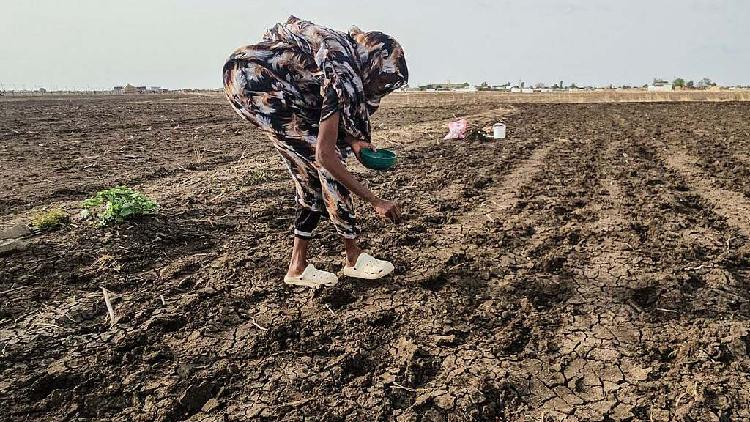
Zimbabwe’s national statistics agency on Wednesday called for better availability and use of climate-related statistics to strengthen the country’s preparedness to mitigate the impacts of the anticipated El Nino-induced drought in the 2026/2027 agricultural season.
Speaking at an online event marking the 2026 African Statistics Day, Tafadzwa Bandama, director-general of the Zimbabwe National Statistics Agency (ZIMSTAT), said sustainable development and climate resilience require not only infrastructure and policy commitments, but also reliable, timely, disaggregated statistics to inform planning, guide investments, and measure progress.
She noted that climate-related statistics enable the government to identify vulnerable communities, monitor access to water and sanitation, anticipate water and food security risks, guide resource allocation and assess the effectiveness of development programs.
“Strengthening the availability and utilisation of water, sanitation and climate-related statistics will therefore enhance national preparedness and support the sustainable management of our natural resources,” she said.
African Statistics Day focuses on water and climate resilience
The African Statistics Day falls on November 18 each year, and this year’s commemoration is held under the theme, “Institutionalizing water and sanitation statistics for sustainable and climate-resilient development in Africa”.
Bandama said this year’s theme is timely and significant, particularly against the backdrop of growing concerns over the projected El Nino and its potential implications for water availability, food security and livelihoods in Zimbabwe and other African countries.
Rising drought risks threaten livelihoods
“For Zimbabwe, the frequency and severity of droughts have increased significantly, with climate change and recurring El Nino weather patterns contributing to pressure on water resources, agricultural production, food security and livelihoods,” she added.
She reiterated ZIMSTAT’s commitment to ensuring the availability of credible, timely and accessible water and sanitation statistics to support evidence-based decision-making and build the country’s resilience to climate shocks.
- Zimbabwe's National Statistics Agency (ZIMSTAT) called for improved availability and use of climate-related statistics to better prepare for the expected El Nino-induced drought in the 2026/2027 agricultural season.
- ZIMSTAT Director-General Tafadzwa Bandama emphasized that sustainable development and climate resilience depend on reliable, timely, and disaggregated statistics for planning, investment guidance, and progress measurement.
- Climate-related statistics help the government identify vulnerable communities, monitor water and sanitation access, anticipate food and water security risks, and evaluate development program effectiveness.
- African Statistics Day, observed annually on November 18, focused in 2026 on "Institutionalizing water and sanitation statistics for sustainable and climate-resilient development in Africa."
- Bandama highlighted that increasing drought frequency and severity in Zimbabwe is driven by climate change and recurring El Nino patterns, affecting water resources, agriculture, food security, and livelihoods.
Zimbabwe's national statistics agency on Wednesday called for better availability and use of climate-related statistics to strengthen the country's preparedness to mitigate the impacts of the anticipated El Nino-induced drought in the 2026/2027 agricultural season.
Speaking at an online event marking the 2026 African Statistics Day, Tafadzwa Bandama, director-general of the Zimbabwe National Statistics Agency (ZIMSTAT), said sustainable development and climate resilience require not only infrastructure and policy commitments, but also reliable, timely, disaggregated statistics to inform planning, guide investments, and measure progress.
She noted that climate-related statistics enable the government to identify vulnerable communities, monitor access to water and sanitation, anticipate water and food security risks, guide resource allocation and assess the effectiveness of development programs.
"Strengthening the availability and utilisation of water, sanitation and climate-related statistics will therefore enhance national preparedness and support the sustainable management of our natural resources," she said.
The African Statistics Day falls on November 18 each year, and this year's commemoration is held under the theme, "Institutionalizing water and sanitation statistics for sustainable and climate-resilient development in Africa".
Bandama said this year's theme is timely and significant, particularly against the backdrop of growing concerns over the projected El Nino and its potential implications for water availability, food security and livelihoods in Zimbabwe and other African countries.
"For Zimbabwe, the frequency and severity of droughts have increased significantly, with climate change and recurring El Nino weather patterns contributing to pressure on water resources, agricultural production, food security and livelihoods," she added.
She reiterated ZIMSTAT's commitment to ensuring the availability of credible, timely and accessible water and sanitation statistics to support evidence-based decision-making and build the country's resilience to climate shocks.


