


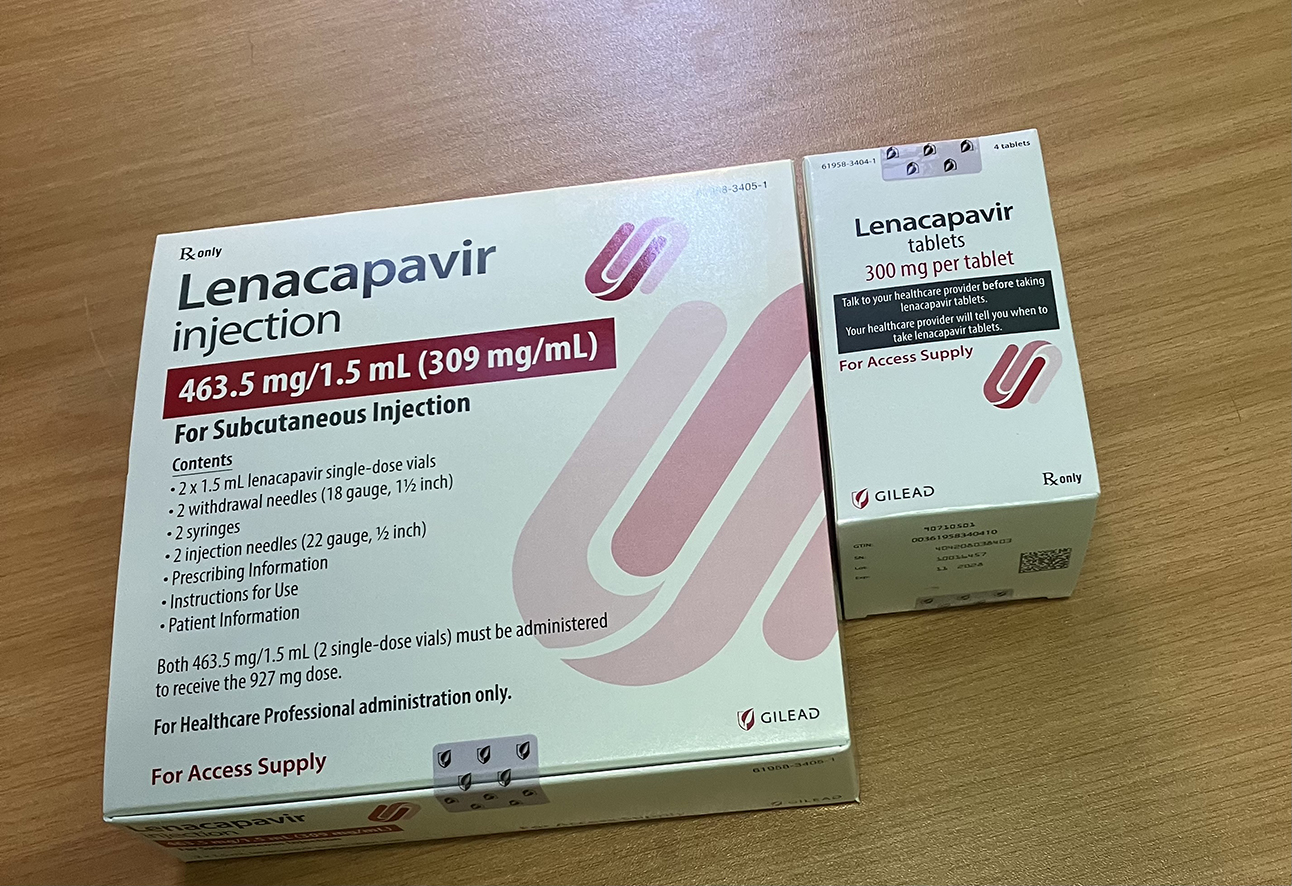
For Thomas Mathiane, a 36-year-old marketing professional, lenacapavir, known as LEN, offers a convenient way to prevent HIV without taking daily pills.
“I was tired of taking pills every day and often forgetting. With LEN, I only need a jab every six months, so there’s less to worry about,” he says.
Yoweli Poswa, a 22-year-old psychology student and transgender woman, chooses LEN partly because she feels vulnerable and wants to protect herself.
“As a transgender woman, my decision was shaped by my personal circumstances, concerns about HIV risk and fears of sexual assault.”
What is LEN?
Lenacapavir is a long-acting injectable HIV prevention medicine given every six months after initial loading doses. It is intended for people who are HIV-negative and is not an HIV treatment or cure.
Saiqa Mullick, the director of implementation science at Wits RHI, says LEN offers another option alongside oral pre-exposure prophylaxis.
Oral PrEP requires a daily tablet, while LEN involves initial injections and tablets, followed by injections every six months. LEN reaches protective levels by day three after the initial doses and clinical trials show that LEN reduces HIV acquisition by at least 96%.
LEN does not prevent other sexually transmitted infections (STIs) or pregnancy. Condoms help reduce the risk of other STIs and unwanted pregnancy.
The South African Health Products Regulatory Authority registered lenacapavir on October 27 last year. The national rollout began on 5 June this year at 360 facilities across the Eastern Cape, Gauteng, KwaZulu-Natal, Mpumalanga, North West and Western Cape.
Foster Mohale, the national health department spokesperson, says 69 418 people had accessed LEN by September 30, rising to 74 922 by October 8 and growing.
Mohale says $29.2-million (R495-million) from the Global Fund was allocated to procure LEN for the 2026/27 financial year.
Facilities were selected based on HIV burden, service coverage, priority populations and programme performance, including high HIV incidence, antenatal HIV positivity and PrEP uptake and retention.
The benefits and the need for information
For Mathiane, taking LEN is about personal protection, not a desire to sleep around, as some people assume about HIV prevention medication. He knows how one mistake, such as being drunk, can put someone at risk.
Before starting LEN, Mathiane took part in a clinical trial offering an injection every two months. When it ended, he was offered LEN. Unlike the previous injection, which goes into the buttock, LEN was injected under the skin of the abdomen. He experienced pain and bumps that disappeared after a few days but says no one told him what to expect or how to manage them.
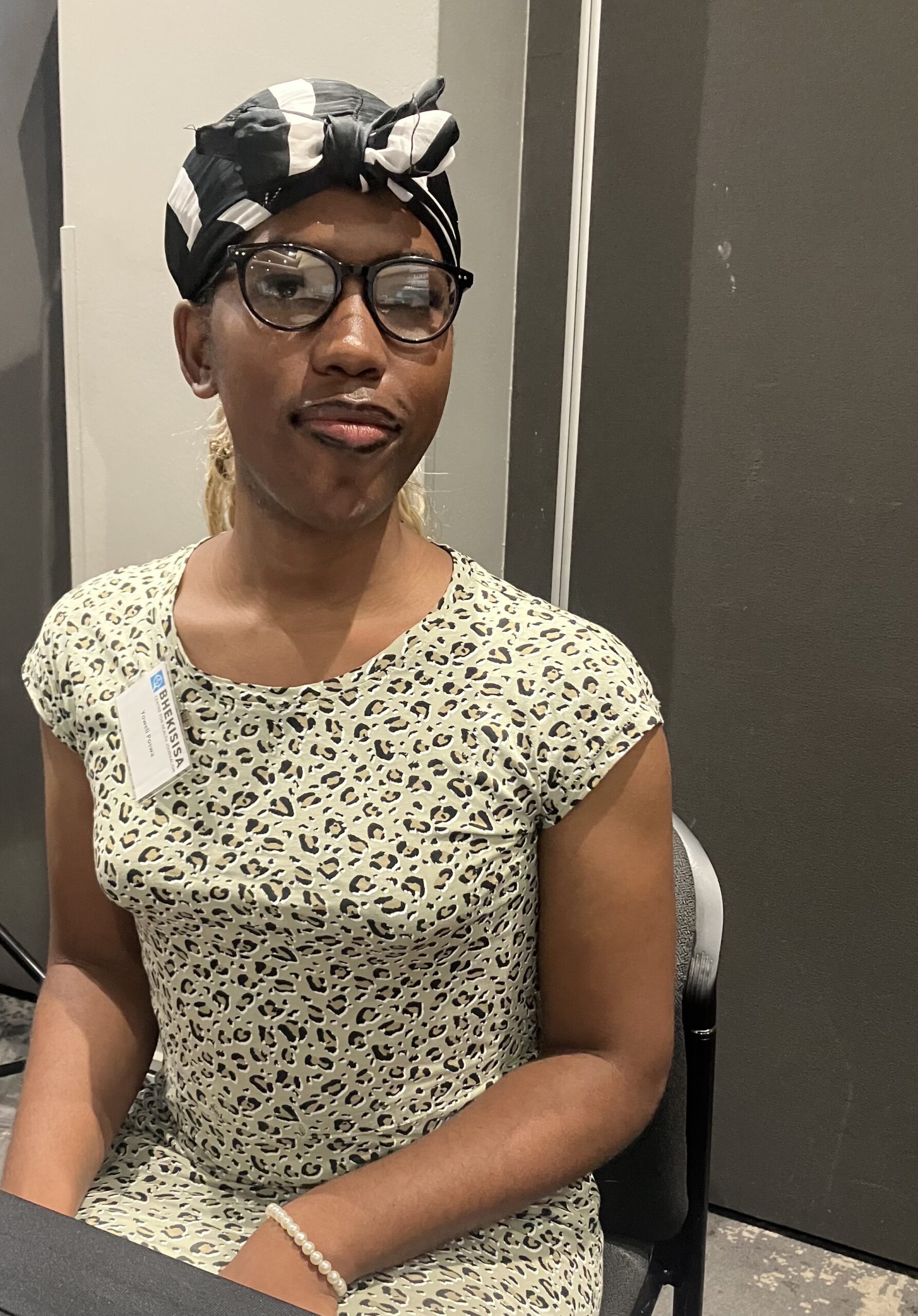
Poswa also experienced sore bumps for the first three days, which gradually disappeared.
Her experience is positive because a friendly nurse explained the risks of unprotected sex, how LEN works and what it offers, giving her confidence to proceed.
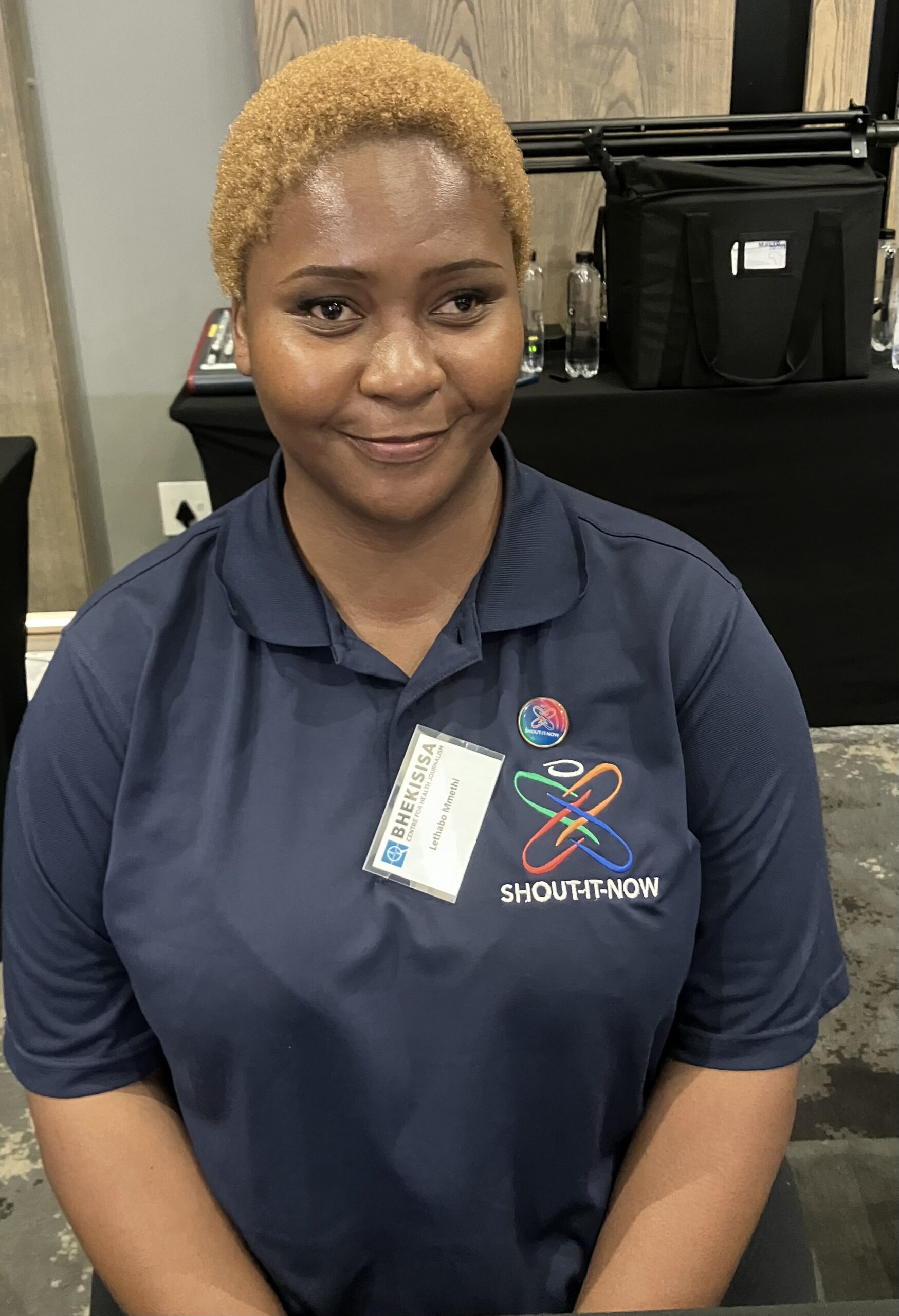
Lethabo Mmethi, a Shout-It-Now peer ambassador for adolescent girls and young women, experienced pain and bumps that lasted weeks after receiving LEN during its rollout in Chiawelo, Soweto. At the launch, nurses did not explain what to expect, so she learnt about LEN while queuing.
“I have met people who did not know what PrEP was. Access to HIV prevention is
not only about making prevention options available, people also need clear, accessible information about them,” Mmethi says.
She also encountered misconceptions about HIV and fears that testing can make young people ill. She encourages them to know their status so those who test positive can access treatment and achieve an undetectable viral load.
The Department of Health lists injection-site lumps, pain, swelling and redness as possible side effects. The lumps, known as nodules, can form as the medicine is released from a depot under the skin and most reactions in clinical trials were mild or moderate.
Mullick says LEN offers discretion and frees users from remembering a daily pill.
“People’s circumstances change, so having options such as pills, rings and injections can help them stay on HIV prevention.”

What happens at the clinic?
Poswa describes a visit to the Johannesburg Health District Wellness Centre as quick and friendly.
Being first in the queue helped, the visit took about 12 minutes, including administration, a preparatory talk with the nurse, an HIV test and an injection.
Mathiane’s visit took about 15 minutes but he says no one asked about his preferred injection site or explained the bumps and aftercare he later experienced.
Clinician and acting facility manager and TB coordinator, Nombulelo Mtselu and clinician Patricia Mogale, HAST (HIV, Aids, STIs and TB), the coordinator at the Johannesburg Health District Wellness Centre describe a more involved process that can include registration, HIV testing, screening, vital signs, sexual history and counselling.
For example, a full visit can sometimes take about an hour, depending on waiting times and the stages of care. They say patients receive information before and after the injection, including how to manage pain, swelling or lumps.
The clinic serves key populations who are disproportionately affected by HIV and may face barriers to healthcare. The World Health Organisation and UNAids identify five groups: gay men and other men who have sex with men, sex workers, transgender people, people who inject drugs and people in prisons or other closed settings. Stigma and discrimination can limit their access to care but belonging to one of these groups does not mean a person has HIV.
Mtselu and Mogale work with partner organisations to support these communities and stress the need for ongoing training to ensure respectful care. The clinic also treats STIs and other illnesses, with a doctor, nurses, HIV counsellors and a social worker available.
There is demand for LEN among people from different walks of life who want to avoid taking a daily pill.
Maleshoane Chaka, a 30-year-old sex worker from Johannesburg, said she began sex work at 23. LEN had changed her life because she no longer has to remember a pill, which was easy to forget on busy weekends and at month-ends.
While many are considering LEN, four users are due for their second injection next month. Their experiences show that longer-acting prevention offers convenience, while accurate information, respectful care and reliable follow-up help people make informed choices.
- Lenacapavir (LEN) is a long-acting injectable HIV-prevention medicine given every six months after initial loading doses, reducing HIV acquisition by at least 96% but not preventing other STIs or pregnancy.
- SAHPRA registered LEN on October 27 last year, and the national rollout began on June 5 at 360 facilities across six South African provinces.
- By October 8, 74,922 people had accessed LEN, with $29.2 million allocated from the Global Fund to procure LEN for the 2026/27 financial year.
- Common side effects include injection-site lumps, pain, swelling, and redness, usually mild or moderate, and patients receive information on managing these during clinic visits.
- Clinics provide comprehensive care including HIV testing, counselling, and respectful treatment for key populations disproportionately affected by HIV, with visits ranging from 12 minutes to about an hour.


