


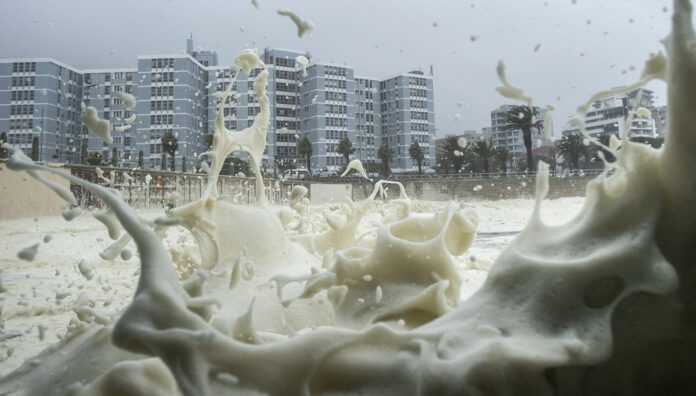
The death toll from the recent severe storms in the Western Cape has risen to 11, with more than 2,000 people left homeless.
Premier Alan Winde confirmed the numbers on Sunday as he and top provincial officials gave an update on the ongoing disaster response.
Many of those displaced are still housed in emergency shelters while crews work to reopen roads, restore power and fix damaged infrastructure.
Government officials assess damage
Winde, several members of his cabinet and other Western Cape Government officials conducted an aerial assessment of some of the hardest hit areas.
“This will inform the overall assessment of the extent of damage and costs. The most recent weather event is currently being assessed for a classification as a national disaster,” the Western Cape Government said.
The destruction followed multiple cold fronts that battered the province earlier this month, bringing up to 200mm of rain in mountainous areas and gale-force winds of up to 120 km/h.
The severe weather caused significant disruption across all districts, with local authorities, disaster management teams, and emergency services working around the clock to assess damage, support affected communities.
Cape Winelands among areas hit hard
The Cape Winelands, West Coast and parts of Cape Town were hardest hit. Worcester, Rawsonville, Ceres, Wolseley, Citrusdal, Wuppertal, Vredendal and Lutzville saw homes flooded and infrastructure wrecked.
Informal settlements and floodplains in Cape Town were also badly affected.
Electricity restoration remains a key focus area, with teams struggling to access some areas.
Disaster management teams switched on
Winde commended Eskom and municipalities for their efforts to get the lights back on.
“There has been good progress. But there is still a lot of work ahead. All our disaster management teams and other stakeholders are working as hard as they can to reopen all roads, repair damaged infrastructure, and restore critical services.”
Thousands of residents are still receiving food parcels, hot meals, water, blankets and hygiene essentials. Temporary shelters remain active in several districts.
Tragically, 11 fatalities have been reported since the first weather system struck. The Premier expressed condolences to the families of the victims.
“Our thoughts are with the families and loved ones of the 11 people who died.”
- The Western Cape storms have caused 11 deaths and left over 2,000 people homeless, with many housed in emergency shelters.
- Premier Alan Winde and officials conducted aerial assessments to evaluate damage and consider declaring a national disaster.
- Severe weather, including heavy rain and gale-force winds, led to widespread flooding and infrastructure damage in areas like Cape Winelands, West Coast, and parts of Cape Town.
- Efforts are ongoing to restore electricity, reopen roads, and repair infrastructure, with disaster management teams providing food, water, and essentials to affected residents.
- Premier Winde expressed condolences to victims’ families and praised coordinated response efforts by Eskom, municipalities, and disaster teams.


