


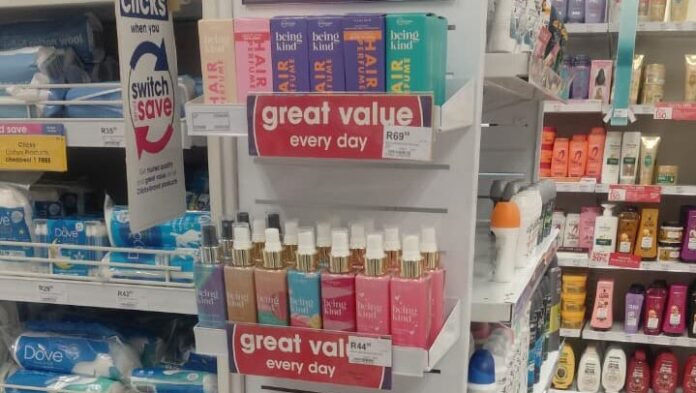
South Africa’s economic future will not only be shaped by large corporations or multinational giants. It will also be shaped by the rise of local brands that understand local consumers, create local jobs, and build products proudly made on home soil. One such example is Being Kind, a personal care brand that has quickly become one of the country’s standout success stories.
Launched just over two years ago, Being Kind has emerged as a fast-growing force in the beauty and personal care sector. Driven largely by social media momentum and strong consumer engagement on platforms such as TikTok, the brand has built a loyal following among young South Africans looking for affordable, quality body mists and personal care products that rival international offerings.
Broader opportunity for SA economy
But the story of Being Kind is bigger than beauty products. It reflects a broader opportunity for South Africa’s economy.
At a time when imported products are becoming increasingly expensive due to global freight costs, currency pressure, and supply chain disruptions, local manufacturing has never been more important. Consumers are beginning to realise that quality does not always need to come from overseas. South African brands have the ability to innovate, move quickly, understand trends, and compete with global players while remaining price accessible.
Matching international standards
Being Kind represents that shift. The brand has shown that locally produced products can match international standards in packaging, quality, and consumer appeal while remaining affordable to everyday South Africans. More importantly, every locally manufactured product contributes directly and indirectly to employment creation — from factory workers and packaging suppliers to logistics, retail staff, marketers, and digital creators.
South Africa cannot continue relying heavily on imported consumer brands while local talent, creativity, and manufacturing capability exist within its own borders. The growth of homegrown brands strengthens the economy from within. It keeps more value inside the country, supports industrial growth, and helps create sustainable jobs at a time when unemployment remains one of the nation’s greatest challenges.
Local brands’ unmatched ability
Local brands also bring agility that many global corporations struggle to match. South African entrepreneurs understand local culture, local trends, and local spending habits. They can adapt faster, innovate quicker, and connect more authentically with consumers. In industries like FMCG and beauty, speed to market often becomes a major competitive advantage.
The rise of brands like Being Kind should serve as a reminder that South Africa has the capability to build nationally loved brands that can eventually compete on a global stage. Supporting local is no longer just about patriotism — it is increasingly becoming an economic necessity.
As consumers become more conscious of value and affordability, and as retailers continue opening doors for emerging local businesses, the opportunity for proudly South African brands is significant. The next generation of iconic brands may not come from overseas boardrooms, but from South African entrepreneurs building products for South Africans first.
In many ways, Being Kind is more than just a personal care brand. It is a reflection of what becomes possible when local innovation, affordability, and consumer connection come together.
- South Africa’s economic growth is increasingly driven by local brands like Being Kind, which understand local consumers and create jobs domestically.
- Being Kind, launched two years ago, has gained popularity through social media, offering affordable, quality personal care products comparable to international brands.
- Rising import costs and supply chain issues highlight the importance of local manufacturing in South Africa, fostering innovation and price competitiveness.
- Locally made products support job creation across various sectors and enhance economic resilience by keeping value within the country.
- South African brands benefit from cultural insight, agility, and faster innovation, positioning them to compete globally while addressing local consumer needs.


