
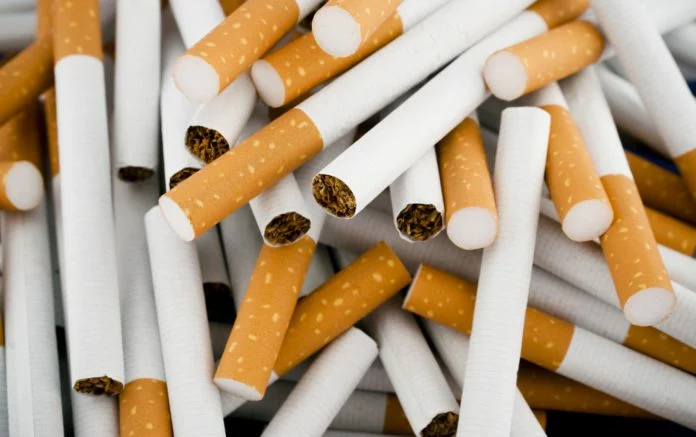
British American Tobacco (BAT) has continued with its share buyback programme as part of its broader capital management strategy.
In a statement released on Monday, BAT announced the repurchase of 101 395 ordinary shares from an investment bank and financial services firm, UBS London branch, on Friday.
This was under the authority granted by shareholders at the company’s annual general meeting in April 2025.
BAT will have 2.18-billion ordinary shares in issue following the transaction that carry voting rights, excluding treasury shares. The Treasury will hold an additional 132.9-million shares.
The group said this information may be used by shareholders to determine whether they are required to notify changes to their interests under UK disclosure rules.
The buyback forms part of a programme announced in March 2024 and reflects the group’s continued focus on returning value to shareholders.
BAT South Africa is ending its manufacturing operations in Heidelberg, a move that will affect at least 230 jobs, in addition to its global capital actions.
The company announced earlier this month that the market was largely disrupted by the infiltration of illicit cigarettes, with an average of 75% of cigarettes considered illicit.
Shift in business model
BAT South Africa has been known as the makers of premium cigarette brands, including Dunhill, Peter Stuyvesant, Pall Mall, Rothmans, Benson & Hedges, and Kent.
They also manufacture vapour products, including Vuse and Velo.
BAT South Africa, which has been operating in Gauteng since 1975, merged with Rothmans International in 1999.
The company will continue to operate in the country, but it will shift to a business model focused on imports, sales, distribution, and regional support services.
The move follows sustained pressure on the local tobacco industry due to declining volumes, rising operating costs, and tighter regulation.
At the group level, BAT continues to adjust its operating model while using cash generation and share buybacks to support long-term shareholder returns in a changing global tobacco market.
Head of corporate & regulatory affairs at BAT Sub-Saharan Africa, Johnny Moloto, said: “Illicit trade doesn’t just hurt companies—it destroys jobs and communities.
“All indicators show that illicit trade is becoming a significant issue in multiple industries, including alcohol, pharmaceuticals, and cosmetics, as well as food, clothing, and even toys.”


