


The multinational delivered a revenue of R9.57 billion for the year ended September 2026, down from R9.99 billion in the previous year. However, profit after tax rose to R1 billion from R724 million, while operating profit increased by 21% to R1.51 billion.
Lucky Star Oceana’s biggest revenue generator
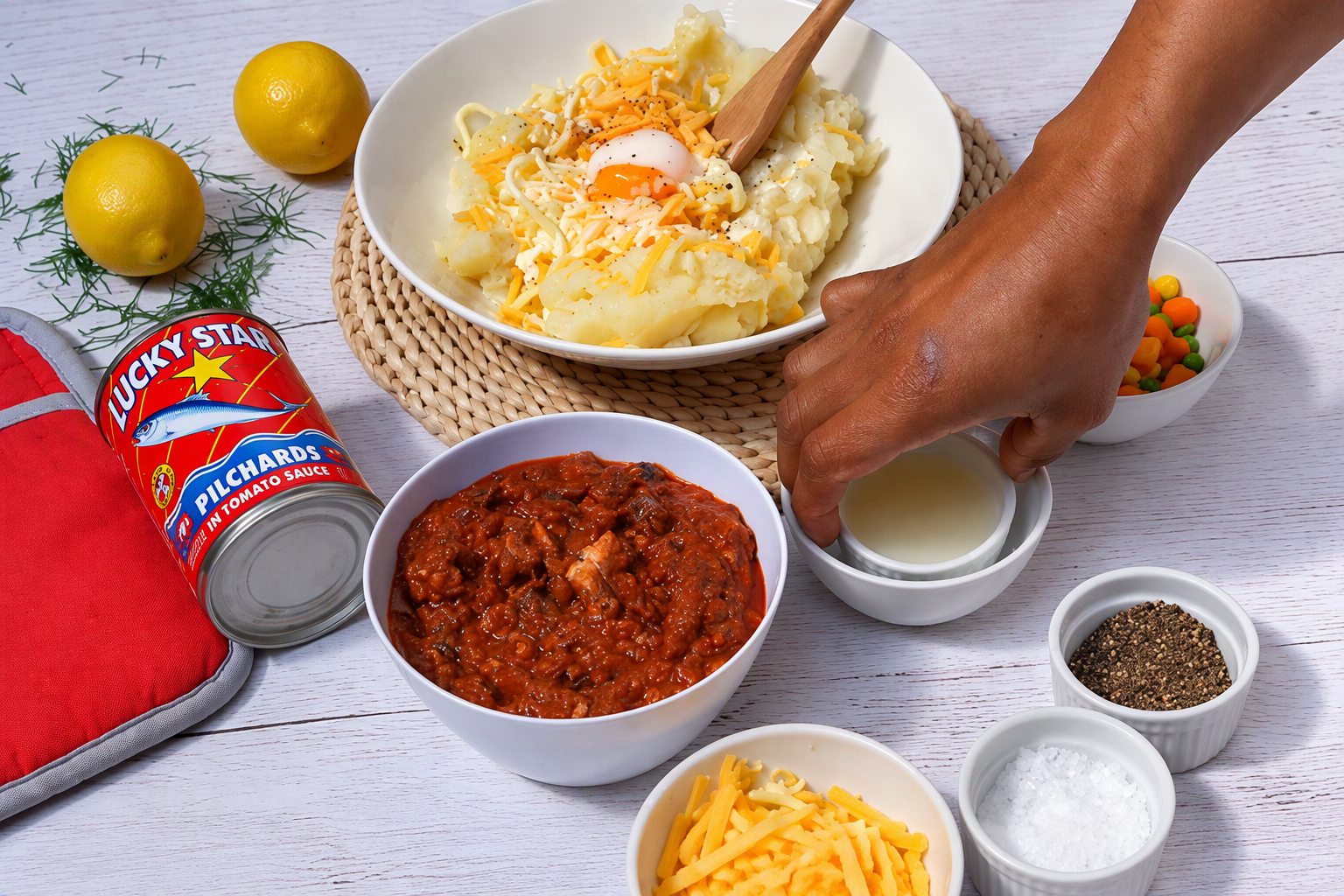
The group’s largest revenue generator remained Lucky Star Foods, which generated R4.53 billion in sales during the year. The business contributed operating profit of R530 million, an increase from R468 million in the previous year, despite facing constraints in the supply of raw materials.
The strongest contributor to profit growth was the Fishmeal and Fish Oil (USA) division, which includes Daybrook Fisheries. Revenue from the division rose to R2.68 billion from R2.37 billion, while operating profit surged to R839 million from R537 million.
READ: Lucky Star runs out of luck as pilchard supply enters choppy waters
Oceana attributed the improvement to higher opening inventory levels and stronger fishmeal and fish oil prices during the second half of the year.
Wild Caught Seafood also delivered a solid performance, with revenue increasing to R2 billion and operating profit climbing to R320 million from R222 million. The division benefited from higher South African horse mackerel catches and firm market prices for both hake and horse mackerel products.
Daybrook, seafood operations drive earnings growth
However, the African Fishmeal and Fish Oil division remained a major drag on earnings.
Revenue in the segment more than halved to R352 million from R885 million, while it recorded an operating loss of R175 million compared with a profit of R26 million in the previous year. Oceana said significantly lower fish availability and reduced factory output outweighed the benefit of higher selling prices.
Management noted that fish availability remains one of the most important factors affecting the group’s performance. Ocean conditions, weather patterns and fishing quotas continue to influence catches across its markets.
READ: Africa facing up to $20 billion economic hit from ‘super’ El Niño, climate chief warns
In Peru, a reduced anchovy quota and El Niño-related conditions contributed to limited catches and record fishmeal and fish oil prices globally during the second half of the year.
Lower finance costs bolster bottom line
The group’s gross profit increased to R2.98 billion from R2.78 billion, while net interest expenses fell sharply from R288 million to R168 million, as gross finance costs declined from R342 million to R195 million. These lower financing costs also contributed to stronger profitability.
Oceana said it expects global fishmeal and fish oil supply constraints to continue supporting prices. However, the group noted that fish availability across its operations would remain a key determinant of future performance.
Subscribe To Our Newsletter or get the news delivered to your phone via our WhatsApp Channel.
- Oceana Group has proved that bigger sales are not always needed to land a bigger catch.
- The fishing and food company grew annual profit despite lower revenue, as strong performances from its US fishmeal business, wild-caught seafood operations and Lucky Star brand more than compensated for a disastrous year in its African fishmeal division.
- The multinational delivered a revenue of R9.57 billion for the year ended September 2026, down from R9.99 billion in the previous year.
- However, profit after tax rose to R1 billion from R724 million, while operating profit increased by 21% to R1.51 billion.
- Lucky Star Oceana’s biggest revenue generator The group’s largest revenue generator remained Lucky Star Foods, which generated R4.53 billion in sales during the year.


