


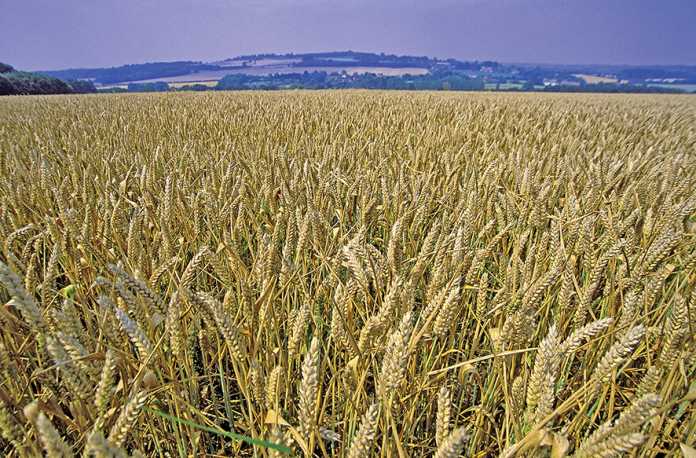
South Africa’s 2025-2026 winter wheat harvest is at its tail end. This crop was planted in May 2025 and harvested at the end of 2025.
In the first 14 weeks of this 2025-2026 marketing year, farmers have delivered about 1.58-million tonnes of wheat to commercial silos.
This is 79% of the expected harvest of 1.99-million tonnes for the season.
At the end of 2025, as many South Africans were on holiday, the Crop Estimate Committee released its monthly crop forecast report, mainly focusing on winter crops.
It is on this report that South Africa’s 2025-2026 winter wheat harvest was reduced by 2% from the November 2025 estimate to 1.99-million tonnes, as I mentioned above.
Unfavourable weather conditions
The monthly downward revision was mainly in the Western Cape, South Africa’s major winter wheat producer.
It appears that the unfavourable weather conditions during the season in some areas had a greater negative impact on the crop than we anticipated.
And because of the dominance of the Western Cape in South Africa’s wheat production, about half of the country’s harvest, the downward revision there has a wide impact.
Still, the expected 1.99-million-tonne harvest is up 3% from the 2024-2025 production season.
I remain of the view that the expected harvest implies that South Africa may need to import approximately 1.74-million tonnes in the 2025-2026 season to meet our annual needs.
These imports are expected to be down 5% from the 2024-2025 season.
The import activity is unlikely to pose a challenge. We have ample global wheat supplies, which will ease South Africa’s import activity.
For example, the International Grains Council forecasts a record 2025-2026 global wheat harvest of 830-million tonnes, up 4% from the previous season.
Increases in production costs
This is mainly due to expected large harvests in the EU, Russia, the US, Canada, Australia, Ukraine, China, India, Argentina, and Kazakhstan, among others.
Given ample global supplies and moderate usage, global wheat stocks for the 2025-2026 season are expected to increase by 4% to 275-million tonnes.
It is because of these ample global stocks that prices have remained under pressure.
With the domestic wheat production figures we have at hand, combined with global wheat supplies, we view the situation as good for a moderating path of food price inflation.
Wheat prices are likely to remain relatively low for some time. South Africa’s wheat spot price was R5 777 per tonne on January 8, down 2% year-on-year.
Also worth noting are the increases in production costs over time and the fact that some farmers had to replant in the Western Cape at the start of the season due to snail infestations, implying financial pressures on some farmers.
Therefore, the generally lower prices, while conducive for consumers, add pressure on farmers. This remains a significant challenge for the industry; as a result, there have been calls for higher import tariffs.
Increase in input costs
In essence, the ample domestic wheat supplies, combined with abundant global supplies, ensure that consumers have access to reasonably priced wheat.
But for farmers, there are price pressures, not only because of relatively lower wheat prices but also due to the general increase in input costs, such as fertilisers, fuel, and agrochemicals.
Thus, South Africa has an import tariff that seeks to strike a balance between the welfare of farmers and consumers.
The sustainability of the domestic wheat farming industry is key.
Equally important is ensuring that consumers have access to reasonably priced wheat, which thereby improves food affordability.
- South Africa’s 2025-2026 winter wheat harvest is at its tail end.
- This crop was planted in May 2025 and harvested at the end of 2025.
- In the first 14 weeks of this 2025-2026 marketing year, farmers have delivered about 1.58-million tonnes of wheat to commercial silos.
- This is 79% of the expected harvest of 1.99-million tonnes for the season.
- At the end of 2025, as many South Africans were on holiday, the Crop Estimate Committee released its monthly crop forecast report, mainly focusing on winter crops.


