


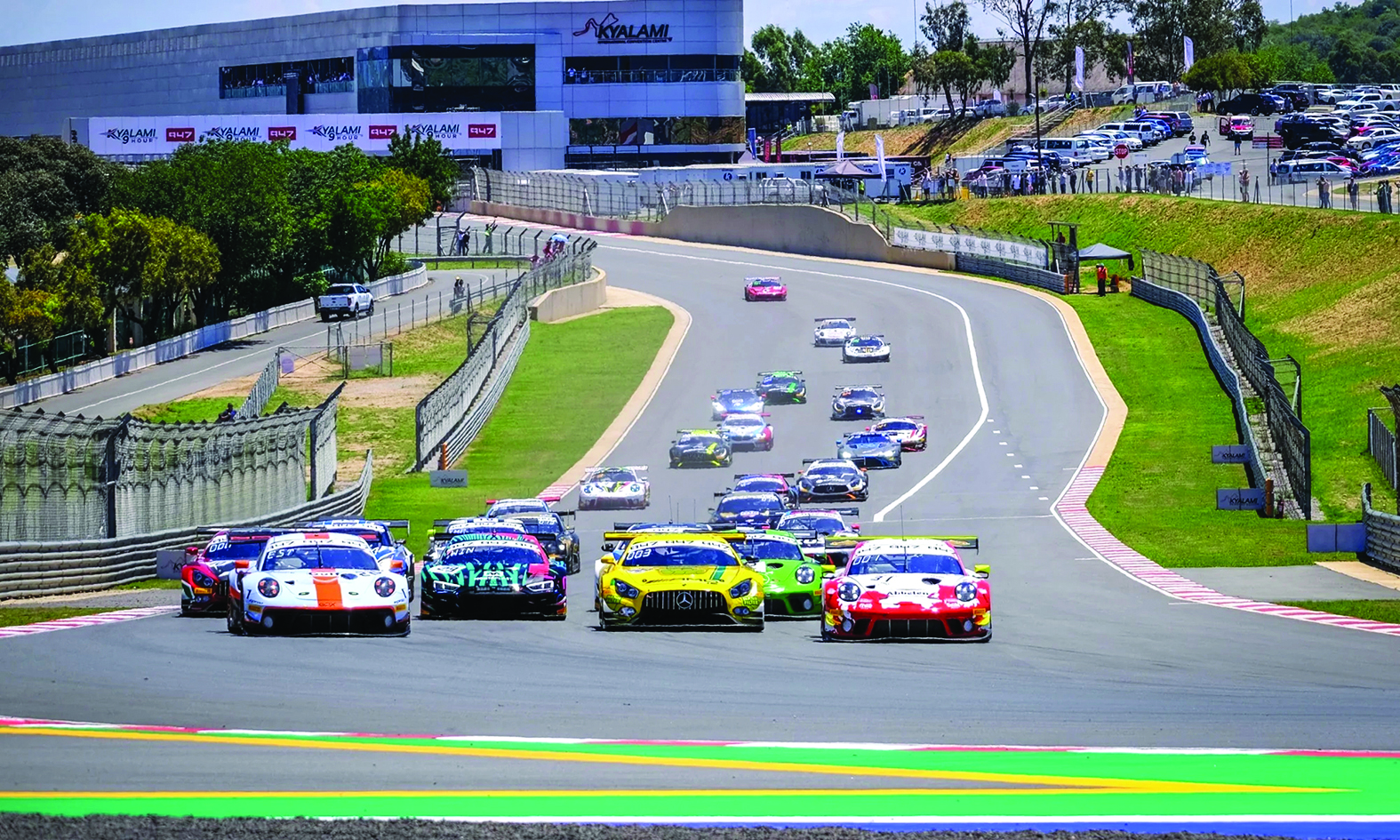
South Africa is preparing to spend billions on bringing Formula 1 back to local shores, with a proposed R6.7 billion motorsport development outside Cape Town threatening to overtake Kyalami in the race to host the championship.
But while attention focuses on where the world’s best drivers should race, far less is being said about how we intend to develop the next generation of drivers who could one day compete against them.
Rwanda’s lead
It’s a question worth raising in the wake of Rwanda’s historic 10-year agreement to host the African Grand Prix. Rwanda secured the agreement years before its proposed circuit in Bugesera is expected to be completed, demonstrating Formula 1’s renewed interest in Africa.
But if South Africa hopes to follow Rwanda onto the calendar, it needs to think even bigger, and present equally ambitious plans that will help grow motorsport at home and across the continent.
That starts with keeping an open mind about where the race should take place and making meaningful investments in grassroots racing and driver development a consideration in deciding which bid deserves to succeed.
Kyalami remains a contender, having received FIA approval for its proposed Grade 1 upgrade designs last year.
However, the proposed Cape Town development offers South Africa another strong option. In September, the Blue Mountain Racing consortium unveiled plans for a R6.7 billion motorsport precinct on a 600-hectare site in the Swartland, north of Cape Town. Led by former Sibanye-Stillwater chief executive Neal Froneman, the project includes a purpose-built circuit designed to meet FIA Grade 1 standards, with ambitions to host a Grand Prix by 2031.
Crucially, the developers have also included a driving academy and karting facilities in their plans. That makes the proposal especially interesting when considering what a Grand Prix investment could do for the future of African racing.
Financial support
Building an academy is the easy part. Building champions is where the hard yards lie, demanding years of investment and sustained financial support.
What is needed are concrete commitments to funding young drivers. Competitive karting is expensive and the costs can quickly put the sport beyond the reach of talented youngsters.
A new race-ready Micro MAX kart costs in the region of R133 000, rising to R176 200 for a Senior MAX kart.
Plus, even at club level, race entry fees can range from R1 000 to R1 500 per event, before maintenance, accommodation and travel are considered.
The costs escalate as drivers progress into international competitions.
Karting Africa’s planned five-round continental championship next year, for example, carries season fees of $14 000 (R245 000) for Mini drivers and $17 500 for Juniors and Seniors. These cover the provision of racing karts and engines, tyres, fuel, and race entries across five events, allowing drivers to compete without having to purchase their own racing equipment.
This illustrates just how important reliable sponsorship becomes as drivers move into higher levels of competition. A promising young driver might find enough sponsorship to compete in one event but without consistent backing, they cannot gain the experience needed to compete against drivers racing throughout the season.
Funding solutions
A solution could be to ringfence 5% of a Grand Prix promoter’s annual sponsorship revenue for grassroots motorsport development, providing a sustainable source of funding. If a promoter generated R100 million in annual sponsorship revenue, that would create a R5 million development fund. At an illustrative budget of R200 000 for a national karting season using existing equipment, that could support 25 full driver seasons.
The funding could also help drivers advance beyond national competitions and test themselves against the best racers from across Africa, especially as the competitive structure is beginning to take shape.
Last month, Karting Africa brought 39 drivers from 14 countries together for a showrun in Angola, laying the groundwork for a new continental championship next year.
With ongoing financial backing, initiatives like these could give young drivers a route from local karting clubs into serious international competition, without requiring families to fund every step themselves.
Ultimately, the goal is far bigger than bringing Formula 1 back to South Africa. With the right investment, we could help establish an African racing structure capable of producing drivers who can compete internationally, rather than continually looking overseas for opportunities.
Africa has spent decades waiting for Formula 1 to return. It’s time to start preparing the drivers who will be ready when it does.
• Orr is the founder of Karting Africa and head coach at WORR Motorsport
- South Africa is considering a R6.7 billion motorsport development near Cape Town, potentially hosting a Formula 1 Grand Prix by 2031.
- Rwanda secured a 10-year agreement to host the African Grand Prix before its Bugesera circuit is completed, indicating Formula 1's interest in Africa.
- The Cape Town project includes a driving academy and karting facilities, emphasizing grassroots driver development alongside the race circuit.
- Karting costs in Africa are high, with Micro MAX karts around R133,000 and season fees for Karting Africa's continental championship up to $17,500.
- A proposed funding model suggests allocating 5% of a Grand Prix promoter's annual sponsorship revenue to support grassroots motorsport and driver development.
South Africa is preparing to spend billions on bringing Formula 1 back to local shores, with a proposed R6.7 billion motorsport development outside Cape Town threatening to overtake Kyalami in the race to host the championship.
But while attention focuses on where the world’s best drivers should race, far less is being said about how we intend to develop the next generation of drivers who could one day compete against them.
It’s a question worth raising in the wake of Rwanda’s historic 10-year agreement to host the African Grand Prix. Rwanda secured the agreement years before its proposed circuit in Bugesera is expected to be completed, demonstrating Formula 1’s renewed interest in Africa.
But if South Africa hopes to follow Rwanda onto the calendar, it needs to think even bigger, and present equally ambitious plans that will help grow motorsport at home and across the continent.
That starts with keeping an open mind about where the race should take place and making meaningful investments in grassroots racing and driver development a consideration in deciding which bid deserves to succeed.
Kyalami remains a contender, having received FIA approval for its proposed Grade 1 upgrade designs last year.
However, the proposed Cape Town development offers South Africa another strong option. In September, the Blue Mountain Racing consortium unveiled plans for a R6.7 billion motorsport precinct on a 600-hectare site in the Swartland, north of Cape Town. Led by former Sibanye-Stillwater chief executive Neal Froneman, the project includes a purpose-built circuit designed to meet FIA Grade 1 standards, with ambitions to host a Grand Prix by 2031.
Crucially, the developers have also included a driving academy and karting facilities in their plans. That makes the proposal especially interesting when considering what a Grand Prix investment could do for the future of African racing.
Building an academy is the easy part. Building champions is where the hard yards lie, demanding years of investment and sustained financial support.
What is needed are concrete commitments to funding young drivers. Competitive karting is expensive and the costs can quickly put the sport beyond the reach of talented youngsters.
A new race-ready Micro MAX kart costs in the region of R133 000, rising to R176 200 for a Senior MAX kart.
Plus, even at club level, race entry fees can range from R1 000 to R1 500 per event, before maintenance, accommodation and travel are considered.
The costs escalate as drivers progress into international competitions.
Karting Africa’s planned five-round continental championship next year, for example, carries season fees of $14 000 (R245 000) for Mini drivers and $17 500 for Juniors and Seniors. These cover the provision of racing karts and engines, tyres, fuel, and race entries across five events, allowing drivers to compete without having to purchase their own racing equipment.
This illustrates just how important reliable sponsorship becomes as drivers move into higher levels of competition. A promising young driver might find enough sponsorship to compete in one event but without consistent backing, they cannot gain the experience needed to compete against drivers racing throughout the season.
A solution could be to ringfence 5% of a Grand Prix promoter’s annual sponsorship revenue for grassroots motorsport development, providing a sustainable source of funding. If a promoter generated R100 million in annual sponsorship revenue, that would create a R5 million development fund. At an illustrative budget of R200 000 for a national karting season using existing equipment, that could support 25 full driver seasons.
The funding could also help drivers advance beyond national competitions and test themselves against the best racers from across Africa, especially as the competitive structure is beginning to take shape.
Last month, Karting Africa brought 39 drivers from 14 countries together for a showrun in Angola, laying the groundwork for a new continental championship next year.
With ongoing financial backing, initiatives like these could give young drivers a route from local karting clubs into serious international competition, without requiring families to fund every step themselves.
Ultimately, the goal is far bigger than bringing Formula 1 back to South Africa. With the right investment, we could help establish an African racing structure capable of producing drivers who can compete internationally, rather than continually looking overseas for opportunities.
Africa has spent decades waiting for Formula 1 to return. It’s time to start preparing the drivers who will be ready when it does.
• Orr is the founder of Karting Africa and head coach at WORR Motorsport


