


South Africa is committed to building an economy that works for all, one that drives empowerment across sectors and ensures that no one is left behind. Encouragingly, recent data from Statistics South Africa shows that the economy expanded by 1.1% in 2025, with GDP increasing by 0.4% in the fourth quarter. This reflects steady progress in our economic recovery.
Government has also made meaningful strides in advancing structural reforms through Operation Vulindlela. This initiative continues to remove key bottlenecks to growth, improve service delivery, and unlock investment and job creation – reform by reform, sector by sector.
Surge in illicit trade, counterfeit goods
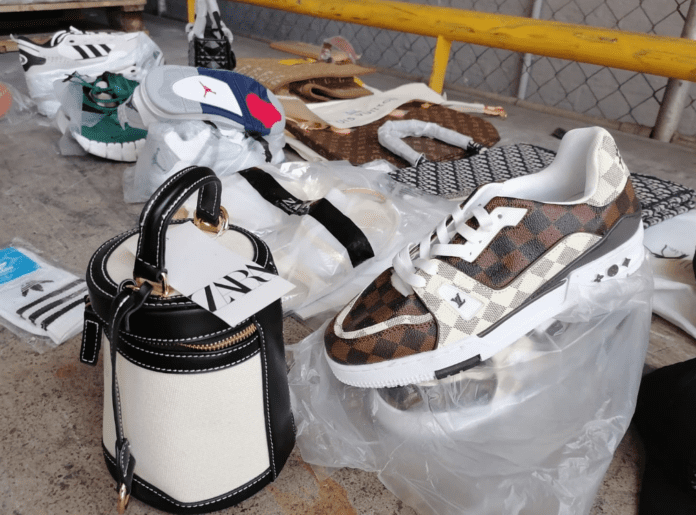
However, these gains are under increasing threat from the surge in illicit trade and counterfeit goods. Illicit trade is defined as the production, importation, sale, or possession of goods that do not comply with national laws. In this instance, it has become a significant impediment to our country’s inclusive economic growth.
Some reports estimate that illicit trade is costing South Africa up to R100-billion annually. If left unchecked, this unlawful activity will place further strain on the fiscus, erode tax revenues, and undermine the state’s ability to deliver essential services.
Risk to the economy, public health
It has become an existential threat, and several industries have raised serious concerns about this unlawful practice. The alcohol and pharmaceutical sectors are experiencing a rapid rise in counterfeit products, posing risks not only to the economy but also to public health.
In the tobacco sector, British American Tobacco South Africa has indicated that illicit trade has eroded a substantial share of the legal market, contributing to the closure of its Heidelberg facility. Other sectors, including sugar, textiles, poultry, and fuel, are similarly affected by smuggling and the influx of cheap, illegal imports.
Illicit trade is eroding SA’s productive capacity
At the Proudly South African Buy Local Summit and Expo, business leaders warned that illicit trade is expanding rapidly, threatening jobs, weakening investor confidence, and endangering lives, particularly where counterfeit medicines are involved.
The reality is that illicit trade is eroding South Africa’s productive capacity. Instead of supporting local manufacturing, it encourages the consumption of illegal imports. This undermines industrial growth, destroys local jobs, and exacerbates poverty and inequality in our society.
Illicit Economy Disruption Programme
Moreover, illicit trade fuels organised crime, enables corruption, and weakens the rule of law. In the 2026 State of the Nation Address, President Cyril Ramaphosa emphasised that illicit trade undermines national security, threatens livelihoods, and contributes to economic instability.
To address this growing threat, government has launched the Illicit Economy Disruption Programme, a coordinated national effort that brings together law enforcement agencies, government departments, and the private sector. Through the strategic use of data analytics and artificial intelligence, the programme will target high-risk sectors such as tobacco, fuel, alcohol, and counterfeit goods, with the aim of dismantling criminal networks.
Consumers play a critical role
South Africa cannot achieve inclusive growth, economic recovery, or long-term stability while a parallel illicit economy continues to thrive. Stronger collaboration between government, business, and society is essential in eliminating this threat to our economic recovery path.
The fight against illicit trade can be won; however, it requires collective action from all of us. Consumers play a critical role by rejecting the false economy of cheap and illegal goods. Choosing locally produced, legitimate products is not just about supporting South African businesses; it is about protecting jobs, advancing development, and strengthening a resilient and competitive economy.
Unite to defeat illicit trade
Government encourages the public and industry to report suspected bribery, fraud, and customs irregularities through established channels. We must unite to defeat illicit trade, root out the criminal networks and corruption that sustain it, and restore trust in our criminal justice system.
We must protect and create jobs by supporting legitimate enterprises and local industries. And we must build a capable, ethical state that defends consumers, upholds the rule of law, and works for all South Africans.
By William Baloyi
Deputy Government Spokesperson, Government Communication and Information System


