


Buying goods from China should not be easier for an African business than buying from a neighbouring country. Yet that remains the reality for many firms.
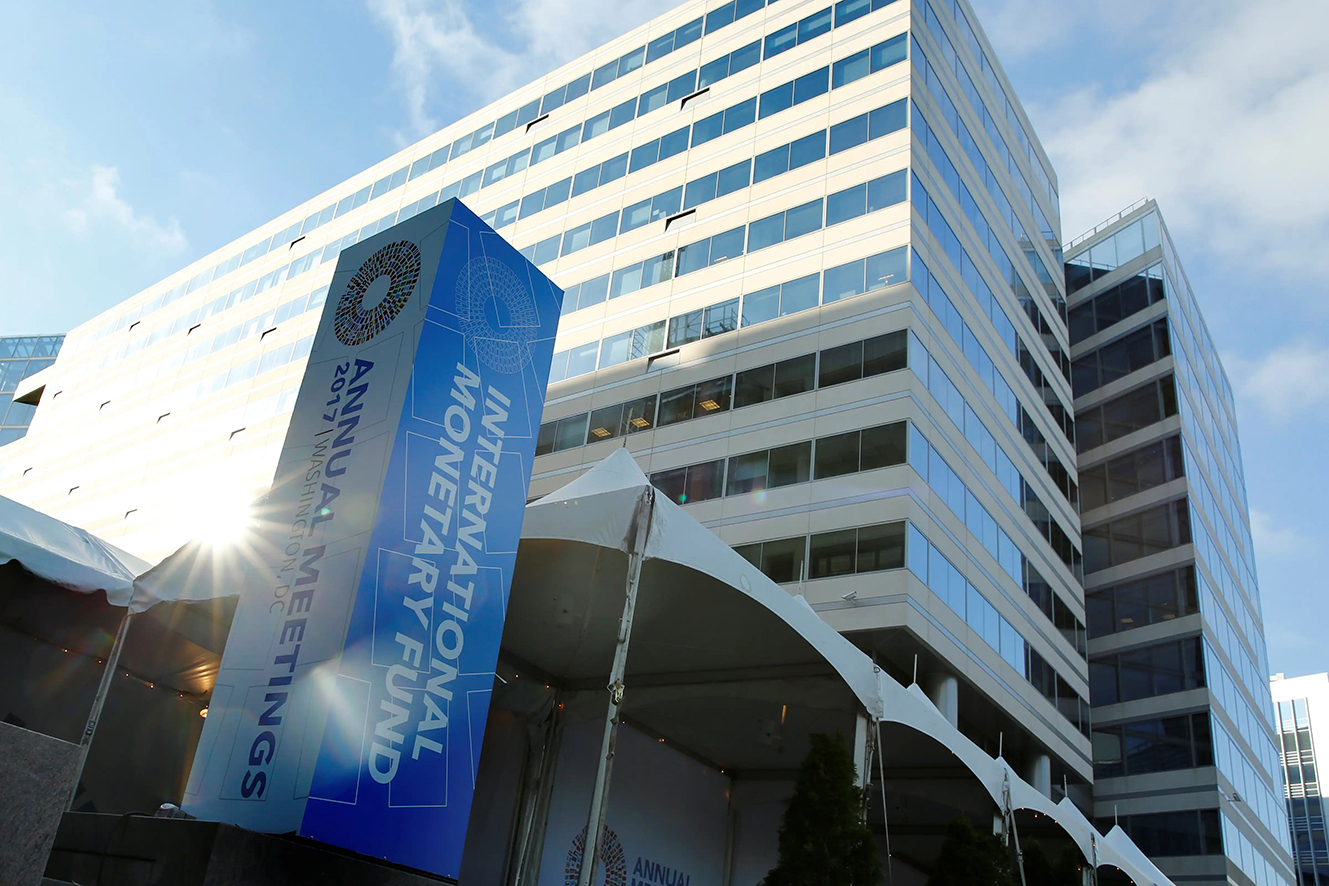
At an IMF-World Bank panel on Africa’s economic future, finance and business leaders identified three connected priorities: reforms that give investors confidence, regional integration that helps companies reach bigger markets, and electricity and transport networks that make production and trade possible.
Across the global economic landscape, a profound demographic and structural realignment is quietly taking shape. As industrialised nations contend with ageing workforces, shrinking labour pools, and sluggish productivity gains, the African continent stands as the world’s premier emerging growth engine.
Armed with the world’s youngest and fastest-growing population, vast deposits of critical minerals essential for the green transition and rapidly expanding urban centres, Africa holds an unprecedented opportunity to redefine global trade and industrial production.
Yet, translating this vast potential into sustained increases in living standards, dynamic job creation, and broad-based prosperity requires more than intent – it demands decisive structural reforms, frictionless regional integration, and an environment engineered to attract long-term private capital.
This week, international policymakers, finance ministers, development leaders and private sector executives gathered to chart a clear path forward.
Opening the discussion under the theme Africa’s Golden Future: Structural Reforms, Trade Integration, and Private Sector-Led Growth, Bo Li, deputy managing director of the International Monetary Fund (IMF), framed the economic imperative with stark clarity.
“Closing half the gap with emerging markets in governance, business regulation, and market openness could raise sub-Saharan Africa’s output by as much as 20% over five to 10 years.”
The empirical foundation supporting this optimism is robust. According to IMF regional economic outlooks, sub-Saharan Africa is home to some of the world’s fastest-growing economies, with regional growth projected to rebound strongly toward 4.5% in the coming years.
Daniel Mminele, the chairperson of Nedbank, provided the investor perspective on what turns risk perceptions into sustainable capital flows.
“What investors look for in structural reforms is discipline in priorities, implementation capacity, and institutionalisation.”
Africa’s economic narrative is undergoing a decisive shift. The continent is actively building the institutional, technological, and physical architecture required to power its own future.
- Buying goods from China should not be easier for an African business than buying from a neighbouring country.
- Yet that remains the reality for many firms.
- At an IMF-World Bank panel on Africa’s economic future, finance and business leaders identified three connected priorities: reforms that give investors confidence, regional integration that helps companies reach bigger markets, and electricity and transport networks that make production and trade possible.
- Across the global economic landscape, a profound demographic and structural realignment is quietly taking shape.
- As industrialised nations contend with ageing workforces, shrinking labour pools, and sluggish productivity gains, the African continent stands as the world’s premier emerging growth engine.


