


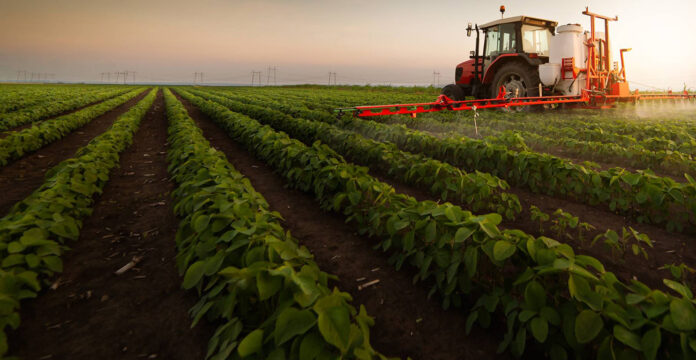
South Africa is harvesting more maize than ever before this year, but the El Niño threat is already shifting attention to the country’s ability to protect its food supplies while ensuring that more of what it produces reaches hungry households.
South Africa harvested a record 17.7 million tonnes of commercial maize in the 2025/26 production season but the prospect of El Niño is casting uncertainty. Farmers should already prepare for the possibility of drier conditions, higher temperatures and disrupted rainfall amid growing concerns over crop losses.
The Crop Estimates Committee increased its 2025/26 maize production estimate by a muted 1% from its September figure in its ninth assessment released on October 27. The revised estimate represents a 6% increase from the previous season.
READ: Food prices could spike further as agriculture sector struggles
Agricultural economist Wandile Sihlobo says with this increase, the assessment drew attention to farmers’ planting intentions for the upcoming season, as producers across the country have already turned their focus to prepare their land for the next crop.
El Niño puts next maize season in focus
Jolanda Andrag, AgriSA chief executive, says the anticipated El Niño conditions will not change the estimate for the 2025/26 as that harvest has already been completed. However, she says the new production season is of concern as below-normal rainfall and higher temperatures could create risks for planting and crop yields.
“It is too early to say what the impact will be on production: the Crop Estimates Committee has released farmers’ planting intentions, but not a production forecast for the new crop. We will need to monitor rainfall and crop conditions as the season develops,” says Andrag.
She says the country enters the new season with ample maize supplies from the record harvest, which would help cushion consumers and the animal-feed industry in the near term.
This provides protection against immediate supply disruptions, although poor harvest next year could eventually put pressure on maize prices and household food affordability.
READ: MTBPS | Treasury sets aside R10bn as El Niño threatens food prices
Record harvest highlights food system gaps
The climate risk also raises questions about the food system and the country’s ability to manage periods of agricultural abundance and potential shortages. While the record harvest strengthens South Africa’s food supply position, the country continues to face substantial challenges in reducing food losses and improving access to food.
Research published by the Council for Scientific and Industrial Research (CSIR) in 2021 estimated that approximately 10.3 million tonnes of edible food are lost or wasted annually, equivalent to about 34% of local food production.
Earlier research estimated the economic cost of food waste at approximately R61.5 billion annually, although this valuation dates back to 2013 and should not be interpreted as a current figure.
Ozzy Nel said the economic consequences of food waste extended beyond discarded produce to include the water, energy, labour and other resources invested in producing and transporting food.
He said investment in food-rescue infrastructure, including collection facilities, warehousing, cold-chain capacity and transport, was important to recovering suitable surplus food and improving access for vulnerable communities.
Getting surplus food to those who need
Ozzy Nel, SA Harvest chief executive, says the economic consequences extend beyond the value of discarded food to include the water, energy, labour and more resources invested in producing and transporting it.
He says reducing food waste requires investment in the infrastructure needed to recover suitable surplus food and get it to communities that need it.
SA Harvest works with food producers, retailers and manufacturers to collect surplus food and redistribute it through its logistics and warehousing network vetted community-based organisations.
Nel says the availability of food alone is not enough to address hunger, as distribution depends on reliable transport, cold storage and partnerships with organisations that understand the needs of their communities.
“With a harvest at this level, the question for food access is how much of that food reaches the households that need it.
Community organisations already know which families are going without, and when food businesses and funders supply them through responsible redistribution, the food arrives on a schedule they can plan around. Vehicles, cold storage and community partnerships determine how far that can extend,” says Nel.
Charlene Lingham, Lingham Foundation co-founder, says a record harvest would have the greatest impact when systems are in place to ensure food reaches households safely and consistently.
She says building those systems requires sustained investment, pointing to the Eastern Cape partnership as an example of what long-term support could achieve in communities willing to build on it.
The organisations are calling on food businesses to incorporate responsible surplus-food recovery into their operations, funders to invest in food-access infrastructure and government to improve coordination across the food system.
- South Africa harvested a record 17.7 million tonnes of commercial maize in the 2025/26 season, a 6% increase from the previous season.
- The Crop Estimates Committee raised its 2025/26 maize production estimate by 1% from its September figure but has not forecasted the new crop due to El Niño uncertainties.
- Anticipated El Niño conditions may bring drier weather, higher temperatures, and disrupted rainfall, posing risks to the next maize season’s planting and yields.
- Approximately 10.3 million tonnes of edible food, about 34% of local food production, are lost or wasted annually in South Africa according to 2021 CSIR research.
- SA Harvest emphasizes that surplus food distribution requires infrastructure like transport and cold storage, and partnerships with community organizations to ensure food reaches vulnerable households.
South Africa is harvesting more maize than ever before this year, but the El Niño threat is already shifting attention to the country’s ability to protect its food supplies while ensuring that more of what it produces reaches hungry households.
South Africa harvested a record 17.7 million tonnes of commercial maize in the 2025/26 production season but the prospect of El Niño is casting uncertainty. Farmers should already prepare for the possibility of drier conditions, higher temperatures and disrupted rainfall amid growing concerns over crop losses.
The Crop Estimates Committee increased its 2025/26 maize production estimate by a muted 1% from its September figure in its ninth assessment released on October 27. The revised estimate represents a 6% increase from the previous season.
READ: Food prices could spike further as agriculture sector struggles
Agricultural economist Wandile Sihlobo says with this increase, the assessment drew attention to farmers’ planting intentions for the upcoming season, as producers across the country have already turned their focus to prepare their land for the next crop.
Jolanda Andrag, AgriSA chief executive, says the anticipated El Niño conditions will not change the estimate for the 2025/26 as that harvest has already been completed. However, she says the new production season is of concern as below-normal rainfall and higher temperatures could create risks for planting and crop yields.
“It is too early to say what the impact will be on production: the Crop Estimates Committee has released farmers’ planting intentions, but not a production forecast for the new crop. We will need to monitor rainfall and crop conditions as the season develops,” says Andrag.
She says the country enters the new season with ample maize supplies from the record harvest, which would help cushion consumers and the animal-feed industry in the near term.
This provides protection against immediate supply disruptions, although poor harvest next year could eventually put pressure on maize prices and household food affordability.
READ: MTBPS | Treasury sets aside R10bn as El Niño threatens food prices
The climate risk also raises questions about the food system and the country’s ability to manage periods of agricultural abundance and potential shortages. While the record harvest strengthens South Africa’s food supply position, the country continues to face substantial challenges in reducing food losses and improving access to food.
Research published by the Council for Scientific and Industrial Research (CSIR) in 2021 estimated that approximately 10.3 million tonnes of edible food are lost or wasted annually, equivalent to about 34% of local food production.
Earlier research estimated the economic cost of food waste at approximately R61.5 billion annually, although this valuation dates back to 2013 and should not be interpreted as a current figure.
Ozzy Nel said the economic consequences of food waste extended beyond discarded produce to include the water, energy, labour and other resources invested in producing and transporting food.
He said investment in food-rescue infrastructure, including collection facilities, warehousing, cold-chain capacity and transport, was important to recovering suitable surplus food and improving access for vulnerable communities.
Ozzy Nel, SA Harvest chief executive, says the economic consequences extend beyond the value of discarded food to include the water, energy, labour and more resources invested in producing and transporting it.
He says reducing food waste requires investment in the infrastructure needed to recover suitable surplus food and get it to communities that need it.
SA Harvest works with food producers, retailers and manufacturers to collect surplus food and redistribute it through its logistics and warehousing network vetted community-based organisations.
Nel says the availability of food alone is not enough to address hunger, as distribution depends on reliable transport, cold storage and partnerships with organisations that understand the needs of their communities.
“With a harvest at this level, the question for food access is how much of that food reaches the households that need it.
Community organisations already know which families are going without, and when food businesses and funders supply them through responsible redistribution, the food arrives on a schedule they can plan around. Vehicles, cold storage and community partnerships determine how far that can extend,” says Nel.
Charlene Lingham, Lingham Foundation co-founder, says a record harvest would have the greatest impact when systems are in place to ensure food reaches households safely and consistently.
She says building those systems requires sustained investment, pointing to the Eastern Cape partnership as an example of what long-term support could achieve in communities willing to build on it.
The organisations are calling on food businesses to incorporate responsible surplus-food recovery into their operations, funders to invest in food-access infrastructure and government to improve coordination across the food system.


