


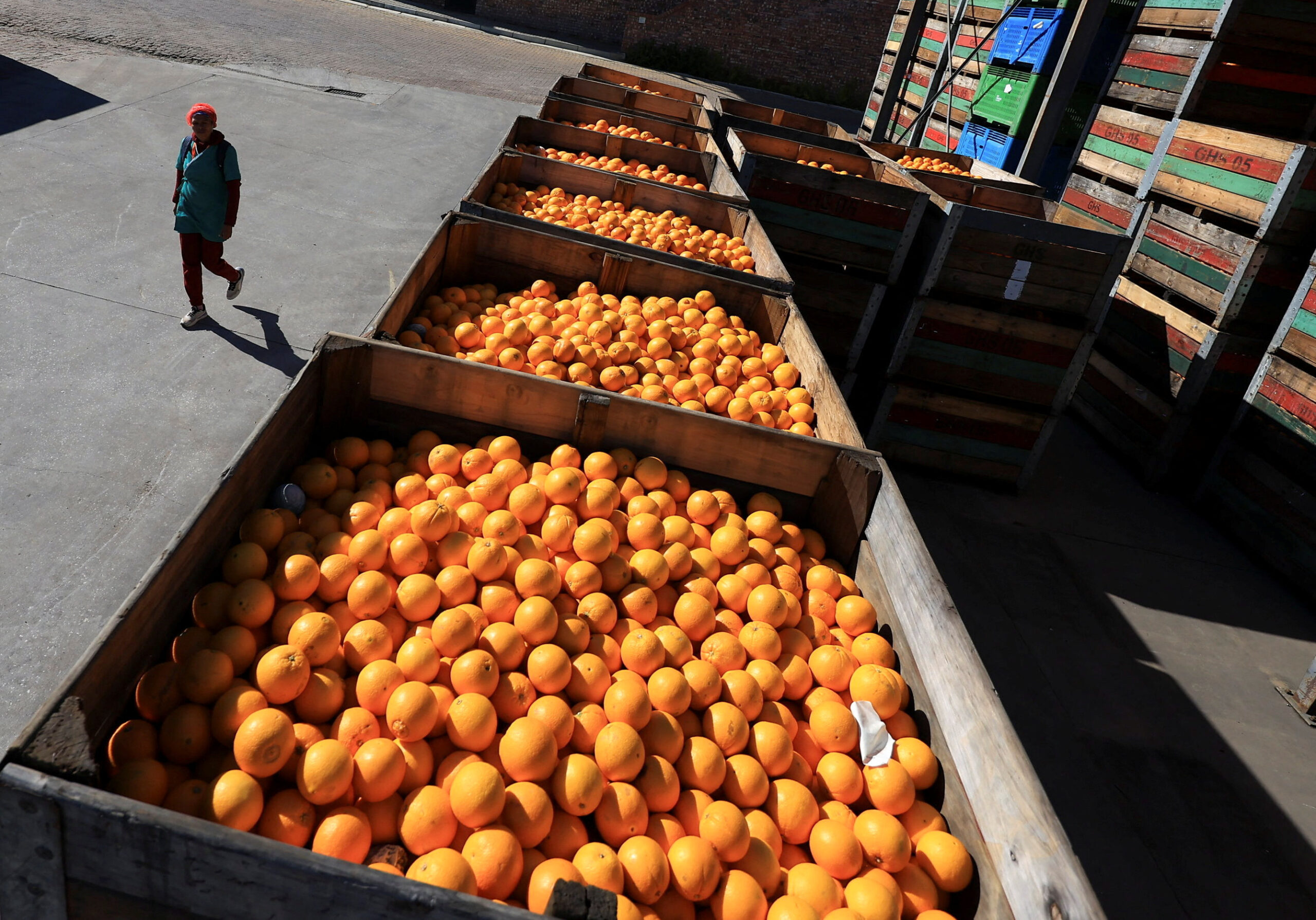
South Africa’s citrus exports fell 1.5% during the 2026 season as conflict in the Middle East disrupted access to key markets and severe weather damaged production in major growing regions, the Citrus Growers’ Association of Southern Africa (CGA) said on Thursday.
Growers exported 201 million cartons of citrus this season, down from 204 million cartons in 2025, according to the industry body.
Read more: Success of SA citrus industry mirrors production conditions in other value chains
The decline comes despite South Africa maintaining its position as the world’s second-largest citrus exporter by value after Spain and one of the country’s most important agricultural export industries.
Middle East disruptions weigh on exports
The CGA said exporters faced significant challenges accessing Middle Eastern markets after the outbreak of conflict involving the United States, Israel and Iran.
The region typically absorbs about 20% of South Africa’s citrus exports, but shipping disruptions and a shortage of containers complicated trade flows. Exporters were often forced to use longer and more costly routes to reach major destinations, including Iraq and Saudi Arabia.
The logistical disruptions added pressure to an industry already grappling with rising costs and uncertainty in global trade.
Flood damage hits key growing regions
Domestic production was also affected by heavy flooding in parts of the Western Cape and Eastern Cape provinces.
The extreme weather destroyed orchards in several important citrus-producing areas, reducing output and adding to growers’ challenges during the export season.
Read more: Vandals sour Zebediela Citrus Estate
Despite the setbacks, the industry remained a major contributor to South Africa’s economy. Citrus exports generated about R44.9 billion in revenue during 2025, making citrus the country’s largest agricultural export sector.
Industry braces for US market challenge
Looking ahead, exporters are preparing for another potential blow after South Africa’s exclusion from the African Growth and Opportunity Act (AGOA), which previously provided duty-free access to the United States market.
The US accounts for roughly 5% of South Africa’s citrus exports, and the loss of preferential access is expected to increase costs for exporters serving the market.
Industry leaders have warned that the combination of geopolitical disruptions, weather-related losses and changing trade conditions could place further pressure on growers during the 2027 season.
- South Africa's citrus exports fell 1.5% to 201 million cartons in the 2026 season, down from 204 million cartons in 2025, due to Middle East conflict disruptions and severe weather.
- The Middle East, usually absorbing about 20% of South Africa's citrus exports, faced shipping disruptions and container shortages following conflict involving the US, Israel, and Iran.
- Heavy flooding in the Western Cape and Eastern Cape provinces damaged orchards, reducing citrus production in key growing regions.
- Citrus exports generated about R44.9 billion in revenue in 2025, making the citrus industry South Africa's largest agricultural export sector.
- South Africa's exclusion from the African Growth and Opportunity Act (AGOA) threatens duty-free access to the US market, which accounts for roughly 5% of citrus exports.
South Africa's citrus exports fell 1.5% during the 2026 season as conflict in the Middle East disrupted access to key markets and severe weather damaged production in major growing regions, the Citrus Growers' Association of Southern Africa (CGA) said on Thursday.
Growers exported 201 million cartons of citrus this season, down from 204 million cartons in 2025, according to the industry body.
Read more: Success of SA citrus industry mirrors production conditions in other value chains
The decline comes despite South Africa maintaining its position as the world's second-largest citrus exporter by value after Spain and one of the country's most important agricultural export industries.
The CGA said exporters faced significant challenges accessing Middle Eastern markets after the outbreak of conflict involving the United States, Israel and Iran.
The region typically absorbs about 20% of South Africa's citrus exports, but shipping disruptions and a shortage of containers complicated trade flows. Exporters were often forced to use longer and more costly routes to reach major destinations, including Iraq and Saudi Arabia.
The logistical disruptions added pressure to an industry already grappling with rising costs and uncertainty in global trade.
Domestic production was also affected by heavy flooding in parts of the Western Cape and Eastern Cape provinces.
The extreme weather destroyed orchards in several important citrus-producing areas, reducing output and adding to growers' challenges during the export season.
Read more: Vandals sour Zebediela Citrus Estate
Despite the setbacks, the industry remained a major contributor to South Africa's economy. Citrus exports generated about R44.9 billion in revenue during 2025, making citrus the country's largest agricultural export sector.
Looking ahead, exporters are preparing for another potential blow after South Africa's exclusion from the African Growth and Opportunity Act (AGOA), which previously provided duty-free access to the United States market.
The US accounts for roughly 5% of South Africa's citrus exports, and the loss of preferential access is expected to increase costs for exporters serving the market.
Industry leaders have warned that the combination of geopolitical disruptions, weather-related losses and changing trade conditions could place further pressure on growers during the 2027 season.


