


South Africans have embraced technology-advanced methods of payment, including fingerprint authorisation and digital wallets.
Global Payment Solutions surveyed 1,000 South Africans in October. It found that almost four in every 10 locals think digital wallets are the fastest way to make payments.
It also emerged that about 66% of consumers approve payments using biometric methods such as fingerprints or facial recognition.
Consumers use AI to help with shopping
At the same time, 63% of South Africans have used artificial intelligence (AI) to assist with shopping-related tasks.
Lineshree Moodley, Visa South Africa Country Manager, said consumers are worried about the safety of their money, but accept that they can help to ensure safe payments.
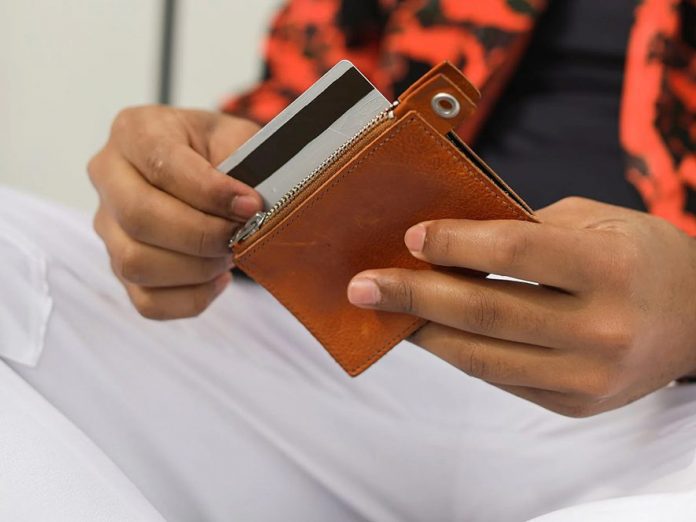
“While traditional payment methods continue to play an important role with physical cards still regarded as the most preferred and convenient way to pay.
“South Africans are showing that trust and technology can go hand in hand, with consumers increasingly willing to adopt new payment solutions when they deliver both convenience and peace of mind,” Moodley added.
Customers want to speak to people, not AI
The survey revealed that despite increased interest in digital banking, customers still choose traditional methods. Almost two-thirds prefer speaking to a customer care agent instead of communicating with AI.
Consumers are also concerned about AI-powered shopping and payment tools using their personal information. Results show that 42% believed that an AI-generated payment scam can be detected.
Consumer are serious about securing their money
Local consumers see banks as mainly responsible for protecting them against new security threats, with 76% holding this view, followed by payment networks at 71%. However, 67% also believe that consumers themselves are responsible for detecting payment fraud and other security risks.
The survey found that consumers are taking their security seriously, with almost 50% enabling two-factor authentication and 40% regularly changing passwords.


