


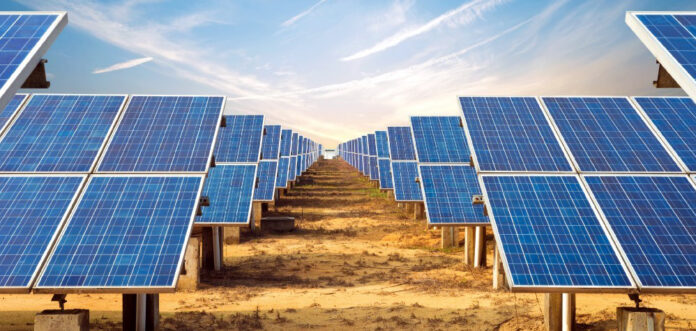
After carefully considering the extensive public debates and media coverage surrounding the safety and compliance of small‑scale embedded generation (SSEG) systems by the South African Photovoltaic Industry Association (SAPVIA), in which key organisations in the sector including the Association of Municipal Electricity Utilities (AMEU), the Electrical Contractors Association of South Africa (ECASA)), and the Organisation Undoing Tax Abuse (OUTA) led the discussion.
SAPVIA has consistently advocated for the safe installation of photovoltaic (PV) systems. And it is recognising gaps that previously existed in standards. In response, the association introduced the PV Green Card Programme in 2017 a quality, safety assurance, and skills development initiative primarily targeted at electricians close to 10 years.
With the rapid growth of the sector, these safety issues have now come to the fore. And SAPVIA calls on all stakeholders to work collaboratively in ensuring the highest standards of safety and compliance.
Focus on national safety standard
SAPVIA urges all parties involved to prioritise the finalisation of the crucial new national safety standard, (SANS 10142-1), which is finally at the last stage of development through a South African Bureau of Standards (SABS) process, to resolve the current divergent views on roles and responsibilities of affected entities.
SAPVIA stated that it believes that the acceleration of the completion and adoption of this standard would be the quickest and most effective way to resolve ongoing debate regarding safety and compliance for SSEG installations. That the association, therefore shares sentiments shared by ECA(SA) and OUTA to collaborate and resolve this issue speedily.
According to SAPVIA, the updated version of SANS 10142-1 is specifically designed to consider latest technical requirements for PV systems, addressing the system sign-off responsibilities and issuance of test reports which we believe will resolve many current technical and regulatory issues faced by installers, municipalities, and the end users.
SAPVIA affirms that all parties have legitimate roles in the electrical and energy distribution landscape.
Clarity on installation quality
“We are at a critical juncture for the South African energy transition. The new SANS 10142-1 has been years in the making and is expected to be finalised within the next six months for public consultation. Constructive debate leads to progress, but focusing on legacy disputes is counterproductive and hinders progress.
“We must pull together to get this crucial standard over the line. Once SANS 10142-1 is published, we expect that municipalities and the AMEU will have the clarity they need regarding installation quality, allowing them to relax the current, often burdensome, requirements for Pr. Eng. sign-off on standard SSEG systems, thus unlocking faster deployment,” said Dr Rethabile Melamu, CEO of SAPVIA.
Melamu also stated that SAPVIA remains committed to working collaboratively with Eskom, SABS, ECA, the AMEU, OUTA and the Department of Labour to see the final standard implemented, ensuring a safe, compliant, and thriving solar PV industry in South Africa.
- After carefully considering the extensive public debates and media coverage surrounding the safety and compliance of small‑scale embedded generation (SSEG) systems by the South African Photovoltaic Industry Association (SAPVIA), in which key organisations in the sector including the Association of Municipal Electricity Utilities (AMEU), the Electrical Contractors Association of South Africa (ECASA)), and the Organisation Undoing Tax Abuse (OUTA) led the discussion.
- SAPVIA has consistently advocated for the safe installation of photovoltaic (PV) systems.
- And it is recognising gaps that previously existed in standards.
- In response, the association introduced the PV Green Card Programme in 2017 a quality, safety assurance, and skills development initiative primarily targeted at electricians close to 10 years.
- With the rapid growth of the sector, these safety issues have now come to the fore.


