


The monetary policy committee (MPC) has kept the repo rate unchanged, warning that global inflation will be higher in the near term due to the Middle East conflict, and this could result in rates being raised.
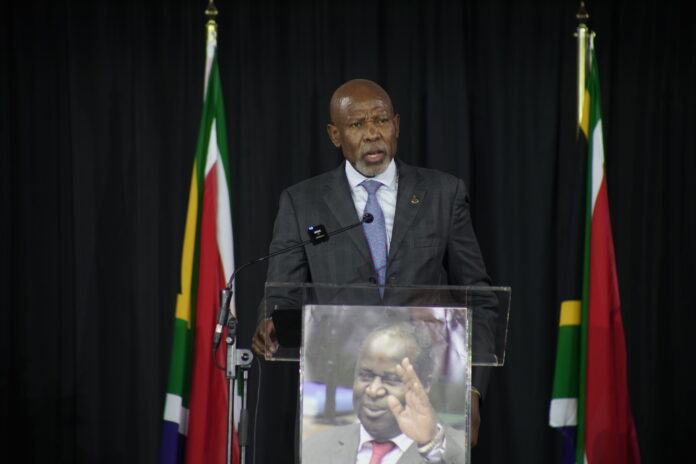
This announcement was made by the South African Reserve Bank (SARB) governor Lesetja Kganyago on Thursday afternoon at the bank’s headquarters in Pretoria, following a two-day MPC meeting.
“Since our last meeting, the key event has been the outbreak of conflict in the Middle East. Prices for commodities like oil, gas, and fertiliser have moved sharply higher.
“We are just a few weeks into this shock, and conditions remain extremely uncertain,” said Kganyago.
He warned that growth will probably suffer from supply-chain disruption and rising costs.
“But the longer-term outlook is less clear. In these circumstances, leading central banks have generally kept rates unchanged, as they wait for more information.”
He hinted that the rate cut period could be over, stating that “markets have largely dropped expectations for rate cuts in major economies, and probabilities of rate hikes have risen”.
MPC decision was unanimous
“The ongoing Middle East conflict is a clear instance of a supply shock, which raises prices while weakening demand.
“The standard response to a supply shock is to look through first-round effects, which are unavoidable and cannot be stopped by interest rate changes.”
He continued: “Against this backdrop, the committee decided to keep the policy rate unchanged at 6.75%. The decision was unanimous.”
He said in a previous meeting they warned of elevated risks, and they have been proceeding cautiously in their rate setting.
“Now a crisis has hit; this prudent approach is proving appropriate. The fact is, we are still only a few weeks into this crisis.
“The coming months will be crucial for assessing the longer-term inflation consequences.”


