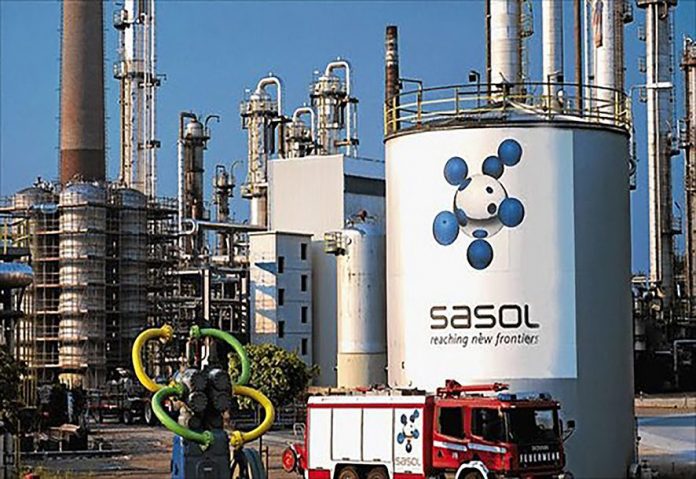
Chemical and energy multinational Sasol has reported mute growth for the six months ended December 31 as lower oil prices and softer global chemical markets weighed on earnings despite improved production and strict cost control.
In the reviewed financial results, Sasol reported a flat turnover growth of R122.387-billion from R122.102-billion in 2024.
The lacklustre revenue performance was supported by a 3% increase in sales volumes, even as the company navigated what was described as a softer macroeconomic environment.
Adjusted EBITDA declined 12% to R21-billion, while earnings before interest and tax (EBIT) fell sharply by 52% to R4.7-billion.
Global market volatility
Chief executive Simon Baloyi said the group continues to focus on strengthening its core business amid global volatility.
“We are showing consistent progress in the implementation of our strategic initiatives as set out in our Capital Markets Day plan.
“This is strengthening our foundation business, helping us to mitigate ongoing global market volatility and macroeconomic headwinds, building resilience for the future,” said Baloyi.
Hike in production volumes
Operationally, Sasol recorded a 10% increase in production volumes at Secunda, supported by improved gasifier availability and the absence of a phase shutdown.
The destoning plant at Sasol Mining reached beneficial operation in December 2025, improving coal quality and contributing to higher output.
Total debt decreased to R93.5-billion from R103.3-billion at June 30, 2025, while net debt excluding leases stood at R63.3-billion, representing a net debt to adjusted EBITDA ratio of 1.6 times.
Safety a priority
Baloyi emphasised that safety remains central to the business, noting the loss of one employee during the period.
Liquidity remains robust at above $4-billion, and the company continues to actively manage its debt maturity profile.
During the period, Sasol issued a R5.3-billion floating rate bond, receiving $300-million in exchange, as part of efforts to diversify its funding base and reduce US dollar debt exposure.
No dividend payout
However, shareholders will not receive an interim dividend. The company’s policy allows for a payout of 30% of free cash flow, provided net debt excluding leases is sustainably below $3-billion. At$3.8-billion, net debt remains above the trigger level.
Sasol warned that the operating environment is expected to remain challenging, citing heightened geopolitical tensions, evolving global trade dynamics and continued softness in certain end markets.
- Chemical and energy multinational Sasol has reported mute growth for the six months ended December 31 as lower oil prices and softer global chemical markets weighed on earnings despite improved production and strict cost control.
- In the reviewed financial results, Sasol reported a flat turnover growth of R122.387-billion from R122.102-billion in 2024.
- The lacklustre revenue performance was supported by a 3% increase in sales volumes, even as the company navigated what was described as a softer macroeconomic environment.
- Adjusted EBITDA declined 12% to R21-billion, while earnings before interest and tax (EBIT) fell sharply by 52% to R4.7-billion.
- Global market volatility Chief executive Simon Baloyi said the group continues to focus on strengthening its core business amid global volatility.