


Failing governance and public services place an additional financial burden on households, forcing consumers to spend money on basic needs and services that should otherwise be accessible through the public sector.
This according to John Manyike, Old Mutual head of financial education, saying household financial wellbeing is shaped by how people earn or spend, and the quality of governance and public services in communities.
This comes as masses hit the voting stations for the local government elections on Wednesday.
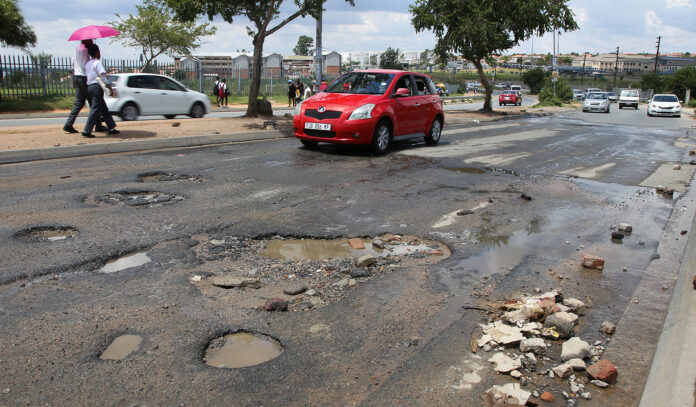
Manyike argues that the financial consequences of poor service delivery are often overlooked, despite their direct impact on household budgets and disposable income. He said poorly maintained roads may translate to car damages and additional fuel expenses and motorists try to find better alternative routes.
“We spend a great deal of time talking about personal financial responsibility, and rightly so. But we should also recognise that the environment in which we live and work has bearing on our ability to manage money and build financial security,” says Manyike.
“When public services do not function effective, households often have to find alternative ways of meeting basic needs, and those alternatives can be expensive.”
Voting as a financial decision
He says voting provides citizens with an opportunity to influence the leadership and priorities that determine how public resources are managed and how services are delivered.
While voting does not guarantee that service delivery challenges will be resolved, he says it allows citizens to assess the performance of political leadership, express their preferences and influence public decision-making.
Building financial resilience
“Budgeting, saving, managing debt and protecting one’s income remain essential, but financial resilience also requires an awareness of external pressures that can undermine even the most carefully constructed household budget,” he says.
Manyike encourages South Africans to consider the issues affecting their households and communities when making decisions at the ballot box.
He says communities need functioning infrastructure and reliable public services to create an environment in which people can work, businesses can operate and families can plan their financial futures without constantly having to pay for service delivery failures.
- Failing governance and public services place an additional financial burden on households, forcing consumers to spend money on basic needs and services that should otherwise be accessible through the public sector.
- This according to John Manyike, Old Mutual head of financial education, saying household financial wellbeing is shaped by how people earn or spend, and the quality of governance and public services in communities.
- This comes as masses hit the voting stations for the local government elections on Wednesday.
- Manyike argues that the financial consequences of poor service delivery are often overlooked, despite their direct impact on household budgets and disposable income.
- He said poorly maintained roads may translate to car damages and additional fuel expenses and motorists try to find better alternative routes.


