


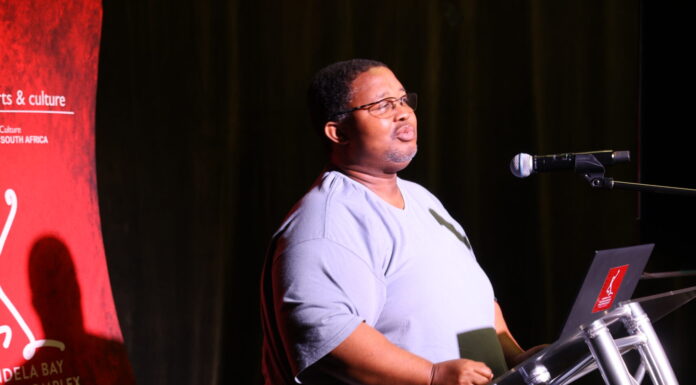
On the eve of World Theatre Day, the Mandela Bay Theatre Complex (MBTC) issued a stark warning about the future of the arts in South Africa, calling for urgent intervention on funding and sustainability.
During a media engagement held in Gqeberha on Thursday morning, MBTC leadership outlined both its vision for growth and the challenges threatening its survival.
Self-sustainability red tape
CEO Monde Ngonyama took aim at the increasing use of the term “self-sustainability” in the arts sector, arguing that it is often used to justify declining public investment.
“Self-sustainability sounds appealing, but in reality it can mean being left without the resources needed to function,” he said.
Ngonyama stressed that the expectation for arts institutions to operate independently ignores how the sector has historically functioned, pointing to figures such as William Shakespeare, who relied on patronage systems.
“The arts have always depended on support. Expecting them to now survive without it is unrealistic,” he said.
His remarks come as institutions such as the MBTC continue to navigate financial pressure linked to constrained allocations from the National Treasury and the Department of Sport, Arts and Culture.
Dismissive attitudes towards arts
Ngonyama also criticised what he described as a dismissive attitude towards the arts, referencing past remarks by government leaders that questioned the sector’s impact.
“That kind of thinking fails to recognise the role of the arts in preserving heritage, promoting social cohesion and strengthening democracy,” he said.
At the same time, MBTC is working to expand its footprint and strengthen its role within the creative economy.
Brand visibility drive
Addressing journalists, MBTC’s Vuyelwa Hlehlisa said the institution is deliberately engaging the media to increase its visibility and reach.
“Our mandate is not confined to Gqeberha,” she said. “We are part of a broader creative economy, and we need that to be recognised.”
The engagement , designed as an immersive programme, gave journalists direct access to the theatre’s work, leadership and long-term plans.
“This programme is intentional. We want you to experience MBTC and help us tell its story,” Hlehlisa said.
While MBTC is investing in visibility and audience development, Ngonyama cautioned that these efforts cannot replace structural support.
“You cannot separate sustainability from funding,” he said. “The real question is whether the country values the arts enough to invest in them.”


