


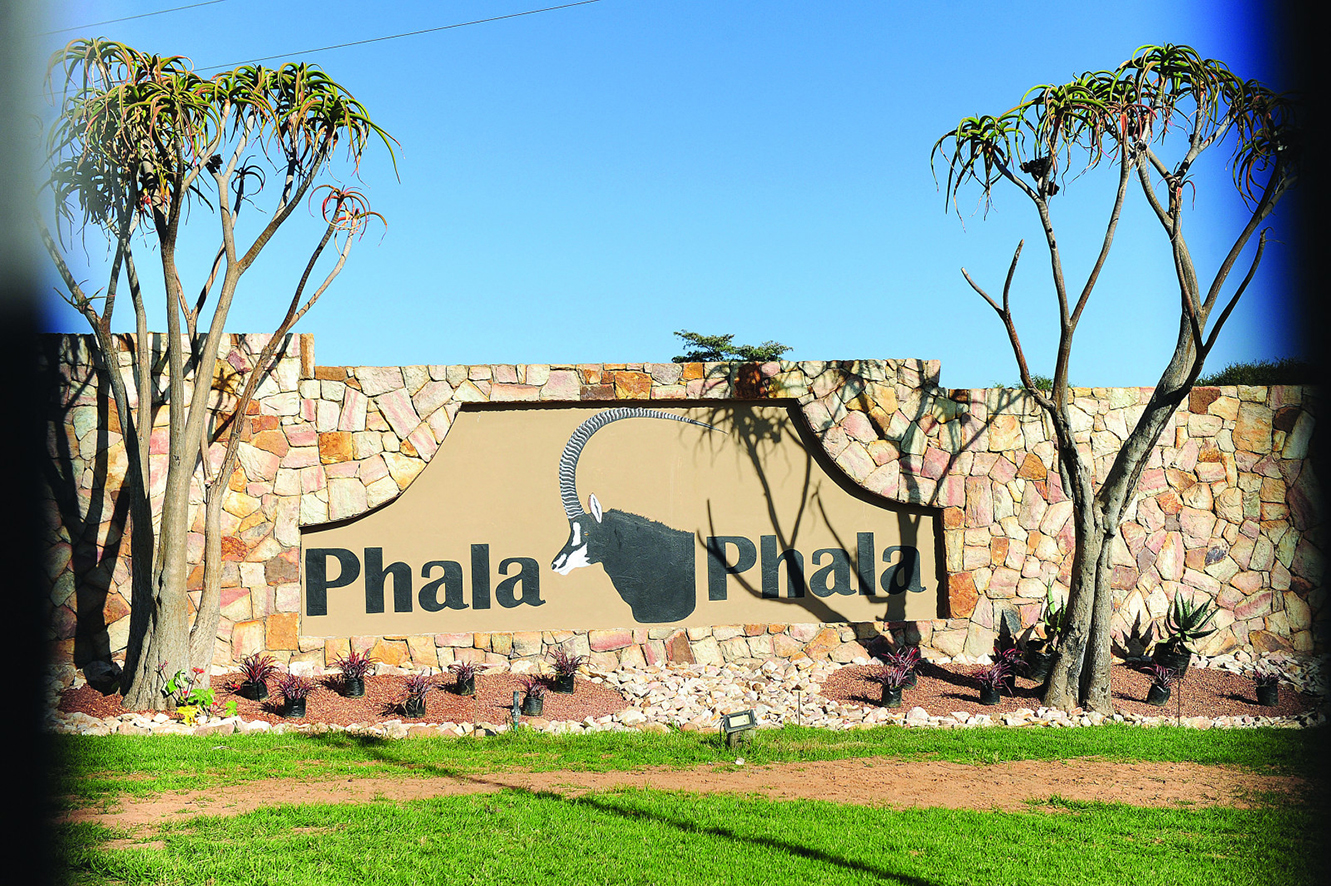
The Modimolle Regional Court has become the first court to endorse as fact the claim that the dollars stolen from President Cyril Ramaphosa’s Phala Phala farm came from a buffalo transaction.
“On the 25th of December 2019, 20 buffalo were bought in the amount of US$580 000,” Magistrate Peter Manthata says, introducing the contested account as an established fact.
“And on the 9th of February 2020, the house belonging to Mr Cyril Ramaphosa, the president of South Africa, was broken into on the Phala Phala farm and the US$580 000 was stolen.”
That opening collapses three separate propositions into one narrative. It assumes that a buffalo transaction occurred, that it produced $580 000 and that the money was later stolen.
The court relies principally on former acting farm manager Sylvester Ndlovu, who testified that Mustafa Hazim arrived at Phala Phala and bought the buffalo.
“The buyer gave him US$580 000 and he kept the money in the safe,” the judgment records.
Ndlovu’s account was tested during cross-examination.
However, the judgment’s analysis of the disputed transaction amounts to only a few sentences.
“He gave an explanation as to how it came and I do not find anything wrong with the explanation that he gave.
“I accept his version, his evidence which he stood on, that indeed there were some buffalo, even if they were not taken on the day in question, and that an amount of US$580 000 was paid to him.”
The judgment does not meaningfully analyse whether the payment represented a completed sale, a deposit or security for a transaction subject to conditions. It does not confront the absence of delivery, the buyer’s failure to collect the animals or the different conditions described by Hazim and the farm’s representatives.
The omissions become decisive when the court turns from proving that dollars were stolen to deciding where the alleged mastermind behind the burglary, Imanuwela David, obtained the dollars he later spent. “The question to be answered or determined now is the origin of the US dollars that the accused used to purchase the cars,” Manthata says.
The court finds that David travelled from Cape Town before the burglary, arrived near Phala Phala and accumulated substantial wealth afterwards. It rejects his explanation that the vehicles were purchased for another businessman.
The magistrate then makes the critical finding: “I, therefore, draw an inference that the dollars that accused one possessed and spent purchasing the cars were stolen from Phala Phala farm.”
- The Modimolle Regional Court accepted as fact that US$580,000 came from a buffalo transaction on President Cyril Ramaphosa’s Phala Phala farm.
- Magistrate Peter Manthata stated that 20 buffalo were bought for US$580,000 on December 25, 2019, and that this amount was stolen in a break-in on February 9, 2020.
- The court’s conclusion relies heavily on testimony from former acting farm manager Sylvester Ndlovu, who claimed buyer Mustafa Hazim gave US$580,000 for the buffalo and that the money was kept in a safe.
- The judgment accepted Ndlovu’s explanation without thorough analysis of whether the payment was a completed sale or subject to conditions, and ignored discrepancies like the buyer not collecting the animals.
- The court inferred that accused Imanuwela David used the stolen dollars from the farm robbery to purchase cars and rejected his claim that he bought the vehicles for another businessman.
The Modimolle Regional Court has become the first court to endorse as fact the claim that the dollars stolen from President Cyril Ramaphosa’s Phala Phala farm came from a buffalo transaction.
“On the 25th of December 2019, 20 buffalo were bought in the amount of US$580 000,” Magistrate Peter Manthata says, introducing the contested account as an established fact.
“And on the 9th of February 2020, the house belonging to Mr Cyril Ramaphosa, the president of South Africa, was broken into on the Phala Phala farm and the US$580 000 was stolen.”
That opening collapses three separate propositions into one narrative. It assumes that a buffalo transaction occurred, that it produced $580 000 and that the money was later stolen.
The court relies principally on former acting farm manager Sylvester Ndlovu, who testified that Mustafa Hazim arrived at Phala Phala and bought the buffalo.
“The buyer gave him US$580 000 and he kept the money in the safe,” the judgment records.
Ndlovu’s account was tested during cross-examination.
However, the judgment’s analysis of the disputed transaction amounts to only a few sentences.
“He gave an explanation as to how it came and I do not find anything wrong with the explanation that he gave.
“I accept his version, his evidence which he stood on, that indeed there were some buffalo, even if they were not taken on the day in question, and that an amount of US$580 000 was paid to him.”
The judgment does not meaningfully analyse whether the payment represented a completed sale, a deposit or security for a transaction subject to conditions. It does not confront the absence of delivery, the buyer’s failure to collect the animals or the different conditions described by Hazim and the farm’s representatives.
The omissions become decisive when the court turns from proving that dollars were stolen to deciding where the alleged mastermind behind the burglary, Imanuwela David, obtained the dollars he later spent. “The question to be answered or determined now is the origin of the US dollars that the accused used to purchase the cars,” Manthata says.
The court finds that David travelled from Cape Town before the burglary, arrived near Phala Phala and accumulated substantial wealth afterwards. It rejects his explanation that the vehicles were purchased for another businessman.
The magistrate then makes the critical finding: “I, therefore, draw an inference that the dollars that accused one possessed and spent purchasing the cars were stolen from Phala Phala farm.”


