


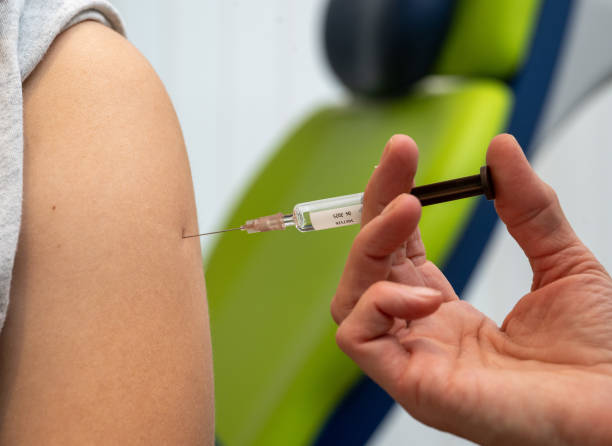
The Gauteng Department of Health (GDoH) has called on parents, caregivers and legal guardians to support its upcoming Human Papillomavirus (HPV) vaccination campaign by signing and returning consent forms to schools, ensuring eligible girls receive protection against cervical cancer.
The single-dose vaccination campaign, which forms part of the Integrated School Health Programme (ISHP), will run from August 3 to October 9 at participating independent primary schools across Gauteng. Vaccination teams will thereafter visit outstanding public primary and special schools to reach learners who may have missed earlier vaccination opportunities.
Grade 5 girls aged 9 and older
The vaccine will be offered to all eligible Grade 5 girls aged nine years and older, including those who did not receive the vaccine during previous campaigns.
According to the department, a single dose provides effective protection against HPV infection and significantly reduces the risk of developing cervical cancer later in life.
“Cervical cancer remains one of the most common cancers affecting women in South Africa, yet it is largely preventable through HPV vaccination and regular cervical cancer screening,” the department said.
HPV is a common virus that affects both males and females, with types 16 and 18 responsible for more than 70% of cervical cancer cases. The public health programme uses the Cervarix vaccine, which protects against these high-risk strains.
The department said the 2025/26 HPV vaccination campaign achieved encouraging results in both public and independent schools. Of the 1,500 targeted public schools, 1,498 were reached, resulting in 72,249 Grade 5 girls receiving the vaccine.
In the independent school sector, 530 of the 664 targeted schools participated, with 9,740 Grade 5 girls vaccinated. Public schools recorded an 80% learner vaccination rate, compared with 37.7% in independent schools.
Challenges at independent schools
However, officials acknowledged that several challenges affected vaccine uptake, particularly in independent schools. These included schools declining access to vaccination teams, learner absenteeism on vaccination days, the non-return of 24,327 parental consent forms, as well as misinformation and vaccine hesitancy.
To improve participation, the department said it is working closely with the Gauteng Department of Education to strengthen stakeholder engagement, intensify community education campaigns and improve collaboration with schools.
The department also cited findings from a recent Lancet Global Health study, which found that South Africa’s school-based HPV vaccination programme reduced infections caused by HPV types 16 and 18 by 83% among young women, including those living with HIV.
Parents and guardians are encouraged to read the information provided by schools, complete and return consent forms promptly so eligible learners do not miss the opportunity to receive protection against cervical cancer.
The department noted that no learner will be vaccinated without signed parental consent. However, learners aged 12 years and older may provide their own consent in accordance with national health guidelines.
Read More: Gauteng surpasses HIV-prevention jab target in first month
- Gauteng Department of Health is launching an HPV vaccination campaign from August 3 to October 9 targeting Grade 5 girls aged 9 and older in independent primary schools, followed by visits to public and special schools.
- The campaign uses a single-dose Cervarix vaccine that protects against HPV types 16 and 18, which cause over 70% of cervical cancer cases, significantly reducing future cervical cancer risk.
- In the 2025/26 campaign, 72,249 Grade 5 girls in 1,498 public schools and 9,740 girls in 530 independent schools were vaccinated, with public schools achieving an 80% vaccination rate versus 37.7% in independent schools.
- Challenges in independent schools include vaccine hesitancy, absenteeism, refusal of vaccination access, and non-return of 24,327 parental consent forms, prompting intensified community education and stakeholder collaboration efforts.
- The department urges parents to return signed consent forms to ensure vaccination eligibility, noting learners 12 and older may self-consent; no vaccination occurs without consent.


