


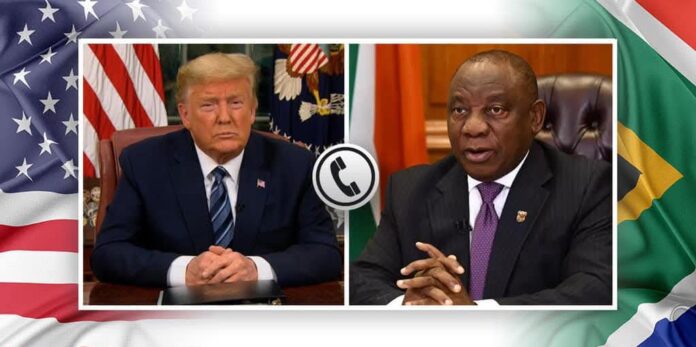
On April 18 and 19, 2026, the city of Barcelona hosted what has been widely described as a gathering of global progressive leaders convened by Spanish Prime Minister Pedro Sánchez.
Officially titled the Global Progressive Mobilisation, the two-day event brought together heads of state and senior politicians from across the world, including South African President Cyril Ramaphosa. While not a traditional diplomatic summit, its tone, participation, and messaging made its political posture clear: a coordinated pushback against the foreign policy direction of the United States under Donald Trump.
The forum drew influential leaders, including Brazilian President Luiz Inácio Lula da Silva, Colombian President Gustavo Petro, and Mexican President Claudia Sheinbaum. Many of these leaders have openly clashed with Washington on issues ranging from tariffs to migration and global governance.
Sánchez set the tone by warning of a rising “reactionary wave” driving division, intolerance, and conflict. His remarks, though not naming Trump directly, were widely interpreted as a critique of nationalist politics shaping global discourse. Spain has already taken a firm stance by denying the United States use of its military bases for operations against Iran, a move Lula publicly praised, saying he saluted Sánchez for “having the courage to say no.”
That criticism of Washington was sharpened further outside the forum. Lula recently slammed the Trump administration over its rejection of South Africa’s role within the G20 framework, describing the move as disrespectful to the Global South and evidence of a growing disregard for multilateral cooperation. The remark added another layer to the tensions underpinning discussions in Barcelona.
Ramaphosa’s address at the plenary on April 19 extended beyond general calls for peace. He directly linked ongoing conflicts, including the war in Gaza, to deeper structural inequalities rooted in colonialism and imperialism. He warned that global governance institutions are being “undermined or maliciously repurposed,” and that established international norms are being deliberately eroded.
He further stated that “the principles of solidarity, cooperation and friendship are being challenged by the resurgence of narrow nationalism, prejudice and intolerance.” Ramaphosa called for a restoration of the United Nations to the centre of global relations and for consistent adherence to international law and the UN Charter.
Beyond geopolitics, Ramaphosa pointed to systemic global pressures: rising debt burdens in developing nations, failures in the global financial system, the accelerating climate crisis, and the role of digital platforms in amplifying extremism. He framed these as interconnected symptoms of a global order under strain.
Barcelona’s forum has been described as a progressive counterweight to conservative networks aligned with Trump-era politics. That characterisation is not without merit. Its guest list, rhetoric, and repeated references to issues such as Gaza, Iran, and shifting global alliances point to a deliberate political alignment.
Ramaphosa’s participation ultimately signalled more than diplomatic engagement. It placed South Africa within an emerging bloc of nations seeking to challenge current global power dynamics and to push back against what they view as an increasingly unilateral and exclusionary approach from Washington.
- The Global Progressive Mobilisation held in Barcelona on April 18-19, 2026, convened global progressive leaders, led by Spanish PM Pedro Sánchez, as a coordinated counter to US foreign policy under Donald Trump.
- Attendees included influential leaders like South African President Cyril Ramaphosa, Brazilian President Lula da Silva, Colombian President Gustavo Petro, and Mexican President Claudia Sheinbaum, many critical of Washington on tariffs, migration, and global governance.
- Sánchez condemned a rising "reactionary wave" driving division and intolerance, applauded by Lula for Spain's refusal to allow US military base use against Iran, symbolizing defiance of Trump-era policies.
- Ramaphosa linked global conflicts and governance crises to colonial legacies and nationalism, calling for UN restoration, respect for international law, and addressing interconnected issues like debt, climate crisis, and digital extremism.
- The forum positioned participating nations, including South Africa, as part of a progressive bloc challenging unilateral US dominance and advocating for multilateral cooperation and inclusivity in global power structures.


