


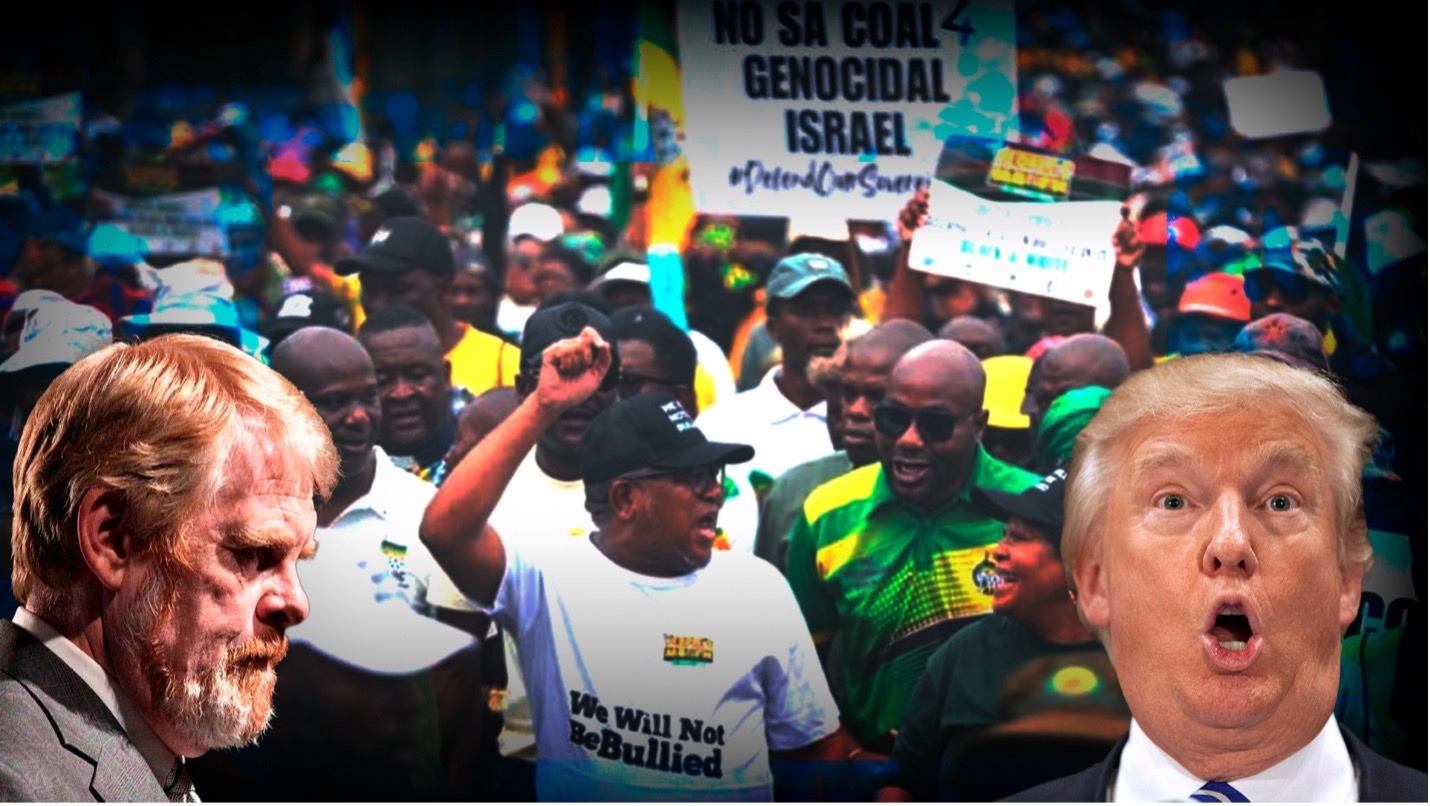
The Department of International Relations and Cooperation (DIRCO) issued a third formal diplomatic protest against US Ambassador Leo Brent Bozell III on 29 September 2026, the most rapid deterioration in bilateral relations between Pretoria and Washington in recent memory. A senior official described the frequency as “a record” in the nine months since Bozell presented his credentials.
The diplomatic rupture stems from five demands the United States delivered to President Cyril Ramaphosa’s administration in November 2025, including requests relating to Afrikaner refugees, land expropriation, the “Kill the Boer” chant, rural crime, and Black Economic Empowerment ownership requirements.
Bozell publicly claimed that Ramaphosa failed to meaningfully respond to three of these demands. In response, US Secretary of State Marco Rubio announced visa restrictions on September 15, 2026, targeting South African officials allegedly involved in “race-based discrimination, incite violence, or enable land confiscation without compensation”.
The friction extends beyond the immediate diplomatic dispute. Trump boycotted a G20 summit in Johannesburg last year. In 2025, Trump imposed 30% tariffs on most South African exports, the highest for sub-Saharan Africa. South Africa now faces an additional 12.5% tariff imposed in July 2026 under Section 301 of the US Trade Act of 1974.
South Africa also continues to pursue its case against Israel at the ICJ for breaching the Genocide Convention. In March 2026, the United States filed a formal declaration of intervention, explicitly rejecting South Africa’s allegations as “false”.
US pressure has generated significant public reaction. In March 2026, thousands of South Africans marched in Johannesburg and Cape Town to demand respect for the nation’s sovereignty. The marches, organized to coincide with Human Rights Day, reflected widespread public fatigue with external interference in domestic affairs. “We cannot, therefore, have a white old man, who looks like he’s deranged, tell us in our country, what to do in South Africa,” ANC Secretary General Fikile Mbalula said at the Johannesburg march.
The correlation between public frustration with US pressure and potential electoral gains for the ANC is difficult to ignore. The March 2026 marches demonstrated that South Africans across demographic lines are responsive to assertions of national sovereignty. Demonstrator Noxolo Skomolo, a 53-year-old real-estate agent, captured the prevailing sentiment: “They hate us. We are protecting our constitution. We don’t want them to bully us. This is our land and our country”.
Any doubt about public appetite for retaliatory measures is dispelled by social media. Platforms are flooded with posts expressing hostility toward Bozell, with users circulating caricatures, memes, and AI-generated images depicting the ambassador in unflattering scenarios. Commentators, academics, and public figures from diverse backgrounds have publicly criticised Bozell’s conduct as undiplomatic and counterproductive. The consensus is clear: South Africans across racial, political, and socioeconomic lines have grown weary of what they perceive as disrespect from the US ambassador.
In his September opinion piece, Bozell wrote: “At this point we find it a useless proposition to continue with endless dialogue leading nowhere.” He added that “the United States had run out of patience with the South African government’s nine-month refusal to respond” to the outstanding demands. Lamola responded by stating that the ambassador should “get out of the kitchen” if he is tired of dialogue. “You can’t have a diplomat who says time for talking is over. It’s our job to talk,” Lamola said.
International relations expert Dr. Oscar van Heerden said it was about time the country drew the line on Bozell’s undiplomatic behaviour. Van Heerden believes that following Bozell’s third demarche, South Africa has no option but to “kick him out of the country if he continues to speak out of turn”.
The third démarche serves as the most concrete measure of the distance between the two capitals. A senior DIRCO official stated that the issues related to bilateral relations remain a subject of ongoing discussions, with commitment from both sides to resolve outstanding matters. However, the frequency of formal protests and the public exchanges between the ambassador and South African officials suggest that the diplomatic crisis remains unresolved.
The electoral advantage for both the ANC and the presidential administration is clear. Should the government proceed with declaring Bozell persona non grata, expelling him from South Africa, or imposing reciprocal visa restrictions on US officials, such retaliatory actions would resonate strongly with voters who have grown weary of Washington’s confrontational posture. If the ANC and the presidential administration act on that mandate in the coming weeks, the electoral dividends could be substantial.
- DIRCO issued its third formal diplomatic protest against US Ambassador Leo Brent Bozell III on 29 September 2026, marking a rapid decline in South Africa-US relations since Bozell presented credentials nine months ago.
- The diplomatic dispute originates from five US demands to President Ramaphosa's administration in November 2025 regarding Afrikaner refugees, land expropriation, the "Kill the Boer" chant, rural crime, and Black Economic Empowerment rules.
- US Secretary of State Marco Rubio imposed visa restrictions on 15 September 2026 against South African officials accused of race-based discrimination, inciting violence, or enabling land confiscation without compensation.
- Thousands of South Africans marched in March 2026 demanding respect for national sovereignty and opposing external interference, reflecting widespread public frustration with US pressure.
- South African officials and experts have criticized Ambassador Bozell's conduct as undiplomatic, with calls for his expulsion if his rhetoric and behaviour continue, highlighting unresolved tension and potential electoral gains from retaliatory measures.


