



For many women, there are days when their skin changes their plans. It may mean reaching for a different foundation, spending longer in front of the mirror or choosing an outfit that covers a flare-up. Sometimes, it is deciding against a sleeveless dress or hoping nobody notices redness, dryness or irritated patches.
These moments can seem insignificant. But for women living with atopic eczema, they can become a regular part of everyday life.
Often dismissed as just eczema or dry skin, atopic eczema is a chronic inflammatory skin condition that can affect far more than the skin. Recurring itching and flare-ups can interfere with sleep, confidence, relationships and a person’s willingness to participate in everyday activities.
As South Africa transitions from winter into spring, seasonal changes can also trigger flare-ups. Research has linked changes in weather with increased healthcare visits among people living with atopic eczema. While moisturisers may be enough to keep mild symptoms under control for some people, recurring or severe flare-ups may require medical treatment.
The physical signs of atopic eczema can include redness, flaking and patches of irritated skin. But those symptoms may not always look the same across different skin tones.
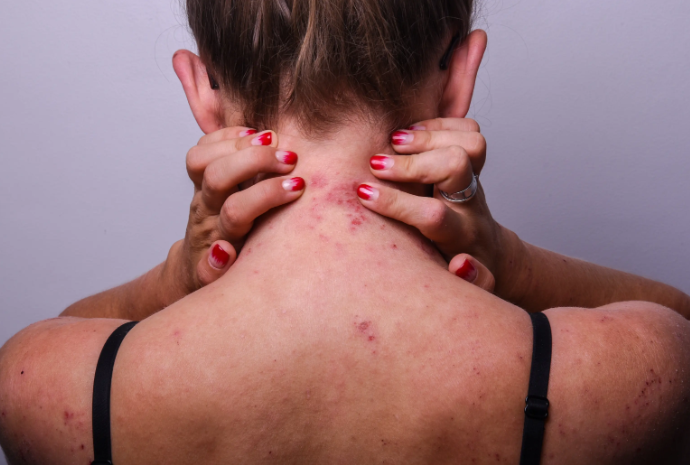
“In people with darker skin tones, redness may be less noticeable and can appear brown, purple or grey, making the condition more difficult to recognise,” says Johannesburg-based dermatologist Dr Pholile Mpofu.
Research published in Acta Dermato-Venereologica found that insomnia affects more than 80% of adults living with atopic eczema, highlighting the significant effect the condition can have on sleep and quality of life.
For some women, the disruption can mean choosing clothes based on what will conceal a flare rather than what they actually want to wear. Others may reconsider social plans, feel self-conscious about physical contact or become anxious about how their skin will be perceived.
Dr Mpofu says the emotional burden should not be overlooked.
“Many people experience stress, anxiety, low mood, reduced concentration and insecurities about their skin,” she says.
The cycle can become exhausting. A flare-up affects sleep, poor sleep affects energy and concentration, and the emotional toll of constantly managing visible or uncomfortable symptoms can further affect confidence.
Also Read: Childhood battle inspires new skincare brand
One of the biggest challenges, according to Dr Mpofu, is that people often normalise their symptoms.
“Atopic eczema isn’t simply dry skin, and it isn’t a cosmetic concern. It’s a chronic inflammatory condition, with inflammation occurring beneath the surface of the skin,” she says.
“That’s why moisturisers and lifestyle adjustments alone are often not enough to achieve lasting disease control.”
That distinction matters because viewing eczema purely as a skincare issue can leave people focused on concealing or managing symptoms rather than seeking appropriate medical care.
Women may spend years experimenting with over-the-counter creams, changing their skincare routines and avoiding perceived triggers without realising that their recurring symptoms warrant a conversation with a healthcare professional.
“Women frequently underestimate how much a flare is affecting them,” says Dr Mpofu.
“They’ll describe disrupted sleep, low energy, anxiety before social occasions or frustration with recurring symptoms without connecting those experiences back to their skin.”
Yet, she says uncontrolled atopic eczema can affect physical health, emotional wellbeing and overall quality of life. “It’s rarely just about the skin.”
Persistent itching, recurring flare-ups and disrupted sleep should not necessarily be accepted as something a person simply has to live with. One should not repeatedly avoid activities, clothing or social situations because of concerns about the appearance or feel of the skin.
For people experiencing these challenges, Dr Mpofu recommends discussing their symptoms with a healthcare professional or dermatologist. Treatment goals have also evolved beyond simply responding to each flare-up as it occurs. For appropriate patients, effective management can involve working with a healthcare professional to achieve better and more sustained disease control.
“The goal isn’t simply to get through the next flare,” says Dr Mpofu. “It’s to work towards meaningful disease control so skin health stops dictating so many everyday decisions.”
For women who have spent years adapting their lives around their skin, that shift can be significant. Atopic eczema may be visible on the surface, but its impact can run much deeper. Recognising it as a chronic inflammatory condition, rather than dismissing it as dry skin, is an important first step towards getting the right support and treatment.
Eczema is diagnosed primarily through a clinical assessment, which includes reviewing the patient’s medical history and symptoms and performing a physical examination. Patients can consult a general practitioner, including a family physician. Referral to a dermatologist may be particularly appropriate for moderate-to-severe disease, severe/refractory eczema, frequent flares, or when the diagnosis is not certain.
Dr Nombina Habangana, Medical Director , AbbVie South Africa shared that eczema is managed using a stepwise, severity-based approach, taking into account disease extent and location, frequency of flares, impact on quality of life, comorbidities and response to previous treatment.
“All patients benefit from regular emollients and appropriate skincare, while mild-to-moderate disease is generally treated with topical steroid creams and/or topical calcineurin inhibitors. Patients with moderate-to-severe disease or disease not responding to topical treatment may require phototherapy or systemic treatments, including conventional immunosuppressants, biologics or small molecules,” said Habangana.
She also added that patients should begin by scheduling an appointment with a general practitioner for a comprehensive examination. Keep a daily record of your skin flare-ups, noting potential triggers such as soaps, skincare products, or foods. Before your appointment, try to avoid scratching the affected areas to ensure the healthcare professional can make an accurate assessment.
- Atopic eczema is a chronic inflammatory skin condition that can cause itching, flare-ups, and affect sleep, confidence, and social activities, especially for women.
- Seasonal changes, like the transition from winter to spring in South Africa, can trigger eczema flare-ups and increase healthcare visits.
- Symptoms may appear differently on darker skin tones, showing as brown, purple, or grey patches rather than redness, making diagnosis challenging.
- Effective eczema management involves a stepwise, severity-based approach, including moisturizers, topical steroids, phototherapy, or systemic treatments based on disease severity.
- Women with persistent eczema symptoms are advised to consult healthcare professionals, track flare-ups and triggers, and avoid scratching before medical assessments.


