


For many South Africans, travel comes with one major obstacle: cost. Hence, a discerning traveller seeks more than just a break from the mental fatigue of
daily life, financial pressure, work stress, and constant grind. For those seeking an oasis, Thailand has always positioned itself as that destination.
Long known for its competitive pricing and world-class hospitality, the Southeast Asian nation is now doubling down on wellness tourism through the Tourism Authority of Thailand’s “Healing is the New Luxury” concept.
For South Africans trying to stretch their rands without sacrificing quality, the timing of your travel is just as important as your destination.
The Global Wellness Institute reports that global wellness tourism spending reached $830-billion in 2023, with projections indicating it will exceed $1.35-trillion by 2028.
Travellers are no longer just booking holidays; they’re investing in experiences that improve their wellbeing, often spending up to 41% more than traditional tourists. Thailand’s “low season”, typically during the rainy months, offers a different kind of luxury.
For South African travellers looking to truly switch off and de-stress, this can be the ideal time to visit.
Destinations like Phuket from June to August and Ko Samui from November to January offer a quieter atmosphere that naturally supports rest, relaxation and wellness-focused experiences,” said Ahman Mad-Adam of the Tourism Authority of Thailand Dubai Office.
In plain terms, fewer crowds, better prices and actual peace and quiet. For South Africans this off-peak window isn’t a compromise; it’s an advantage.
The appeal of Thailand’s wellness offering hits harder when you look at what’s happening back home.
Research from Sapien Labs shows that South Africa has one of the highest levels of mental distress globally, with 35.8% of people reported as struggling and Thailand’s approach to travel directly responds to that reality by offering mental health retreats and wellness tourism initiatives aimed at providing support and relief for those experiencing mental distress.
Think traditional Thai massages, meditation in peaceful gardens, and herbal therapies rooted in centuries-old practices.
Beyond affordability, Thailand offers something many destinations can’t match: a seamless blend of advanced medical care and holistic healing.
In Bangkok, travellers have access to cutting-edge diagnostics and specialised treatments, often for a fraction of the price compared to Western countries. But what makes the experience stand out is what comes next.
Recovery extends beyond hospital walls to wellness retreats and integrated resorts, where personalised programmes combine nutrition, movement, mindfulness, and traditional therapies.
It’s not just about fixing problems; it’s about building long-term health.
Thailand’s landscapes allow travellers to choose the kind of reset they need.
In Chiang Mai, the mountains offer a slower pace and deeper introspection, with meditation retreats and traditional healing practices rooted in local culture.
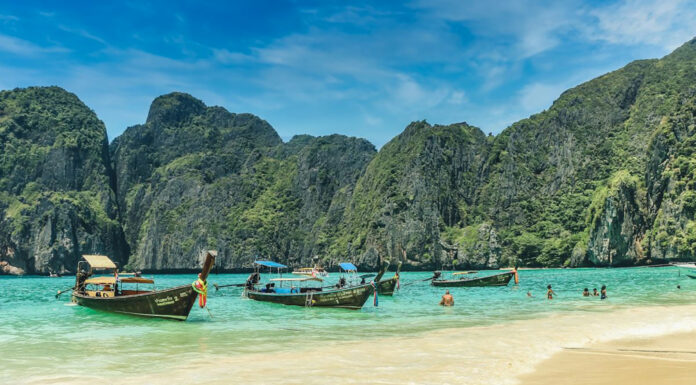
Further south, Phuket and Ko Samui bring a different kind of therapy, ocean air, sunrise yoga, detox programmes and long, quiet beach walks. It’s the kind of setting where doing less actually gives you more.
For years, luxury travel was sold as excess, expensive hotels, packed itineraries and constant movement. But for many South Africans, that idea is outdated. Real luxury now means peace of mind, proper rest, and feeling like yourself again.
Thailand understands that shift. By combining affordability, wellness and natural beauty, it offers something far more valuable than a typical holiday, a reset that lasts long after you return home.


