


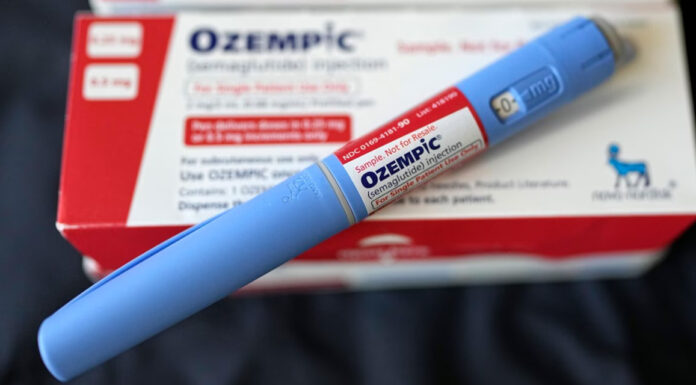
If you have been scrolling through social media lately, chances are you have seen Ozempic pop up between fitness selfies and soft-life affirmations.
Once a quiet prescription for people living with type 2 diabetes, the injectable medication has suddenly become one of the most talked-about names in weight management, and South Africans are paying attention.
Ozempic (semaglutide) is a type of medication that helps manage type 2 diabetes by controlling blood sugar levels, and it has been approved by the South African Health Products Regulatory Authority.
It has been available locally for about two years, but its fame skyrocketed after the drug was approved for obesity treatment in the US in 2024.
Cue viral TikToks, celebrity whispers, and a sudden spike in demand that even led to a temporary shortage of the medication in South Africa.
According to Dr Craig Perumal, a specialist physician at Mediclinic Kimberley, Ozempic has quietly been changing lives long before it trended online.
“Studies have shown that Ozempic is effective in managing diabetes, cardiovascular disease, and even chronic kidney disease,” he says.
“I’ve prescribed it primarily for glucose control, but the improvement in patients’ body mass index has been remarkable.”
Drug helps increase insulin
Perumal says most of his patients experience more than a 10% weight loss within the first six months, with results that actually stick.
Before Ozempic, South Africans looking at medical weight-loss options were often prescribed Saxenda, a daily injectable GLP-1 drug.
While effective, it came with a hefty price tag of about R5 000 a month.
Ozempic, on the other hand, is injected just once a week and costs about R3 000 a month at the maintenance dose, making it a more accessible option for many.
“Medical aids will sometimes cover it from day-to-day benefits, but rarely from chronic benefits.
“This is frustrating, because the conditions we are treating—diabetes, obesity, and cardiovascular disease—are chronic.”
Ozempic mimics a hormone your body already produces, helping increase insulin, lower blood sugar, and slow digestion. The result? You feel fuller faster and stay full for longer.
“My patients often say they simply don’t crave food the way they used to. That feeling of fullness really supports weight management.”
Even more encouraging, studies have shown unexpected benefits, including a reduced risk of serious diabetes and heart-related complications.
Well-tolerated drug
Like most medications, Ozempic is not without potential side effects. Some users may experience nausea, diarrhoea or constipation, particularly when starting treatment.
More serious risks listed by the manufacturer include pancreatitis and a potential link to thyroid tumours seen in animal studies.
People with a history of medullary thyroid cancer or multiple endocrine neoplasia syndrome type 2 are advised not to use it.
Perumal notes that he has not personally encountered any patients with severe side effects. Despite the hype, he believes Ozempic is far from a passing trend.
“This is a well-tolerated drug with solid scientific evidence. What’s impressive is that the benefits often persist even when patients are not perfect with diet or exercise. The results last, and the treatment is not a quick fix.”
If you’re curious, the first step is a visit to your general practitioner, who can assess whether Ozempic is suitable for you or refer you to a specialist.
- If you have been scrolling through social media lately, chances are you have seen Ozempic pop up between fitness selfies and soft-life affirmations.
- Once a quiet prescription for people living with type 2 diabetes, the injectable medication has suddenly become one of the most talked-about names in weight management, and South Africans are paying attention.
- Ozempic (semaglutide) is a type of medication that helps manage type 2 diabetes by controlling blood sugar levels, and it has been approved by the South African Health Products Regulatory Authority.
- It has been available locally for about two years, but its fame skyrocketed after the drug was approved for obesity treatment in the US in 2024.
- Cue viral TikToks, celebrity whispers, and a sudden spike in demand that even led to a temporary shortage of the medication in South Africa.


